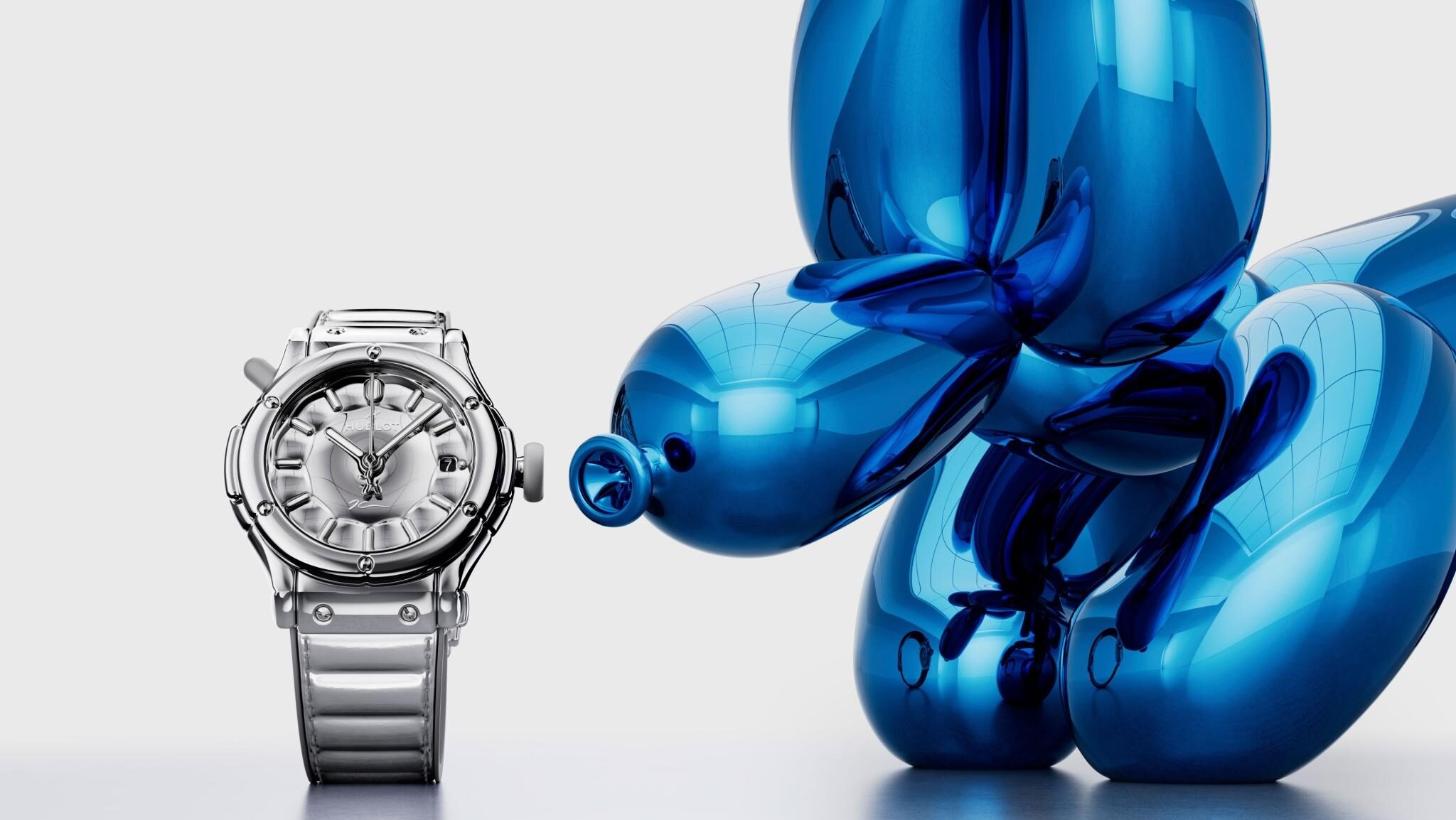
The average Worth reader can buy what he wants. That’s the happy premise of this magazine most months, but it comes with a subtle complication. Purchasing power and taste are independent variables, and no stretch of the year exposes the gap like this one. Six weeks of engineered urgency in the pursuit of the perfect gift–perhaps that white ceramic whale will appeal? The season can be exhausting, no matter the budget.
To build this year’s gift guide, we took a different path, one Vivienne Westwood suggested: Buy less. Choose well. Make it last.
That’s the whole method, and we ran this guide on it. Cast iron that improves with use. Cordovan that takes on a patina specific to the person walking on it. A gold chain that gets a medallion added at each thing worth marking. A whisky drawn from one cask that will never be filled the same way twice. A knife somebody will still be sharpening in 2056.

The range runs from $35 to $199,400, and the logic holds at both ends. A Brooklyn distillery’s three-bottle set and a concert grand piano are here for the same reason. Somebody made them deliberately, and they’ll last forever. Well, maybe not the whiskey.
Craighill Swingtop Lighter ($78)
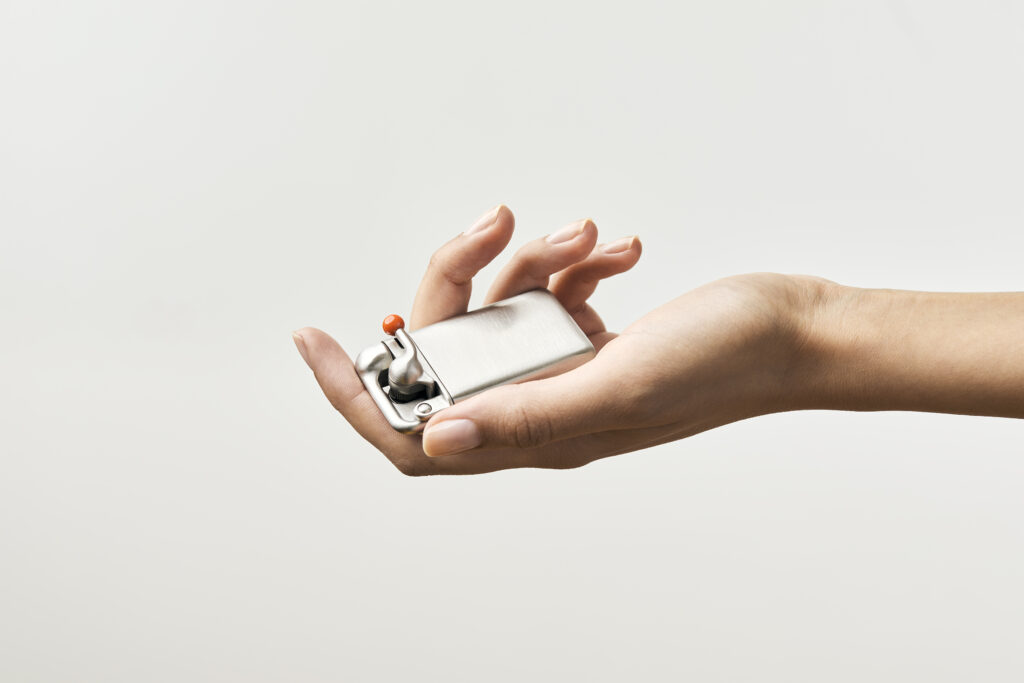
Craighill has spent a decade making brass objects that outlast the desks they sit on. The Swingtop is the first one that does something. Press the swingarm to open the top. Let go, and it snaps back against the flint, and the flame comes up. Close the lid, and it’s out. All stainless, refillable with naphtha, nothing to throw away. The kind of mechanism you end up operating absentmindedly during phone calls. For the man with opinions about his pocket knife.
Billy Reid Shearling Fulton Jacket ($2,998)
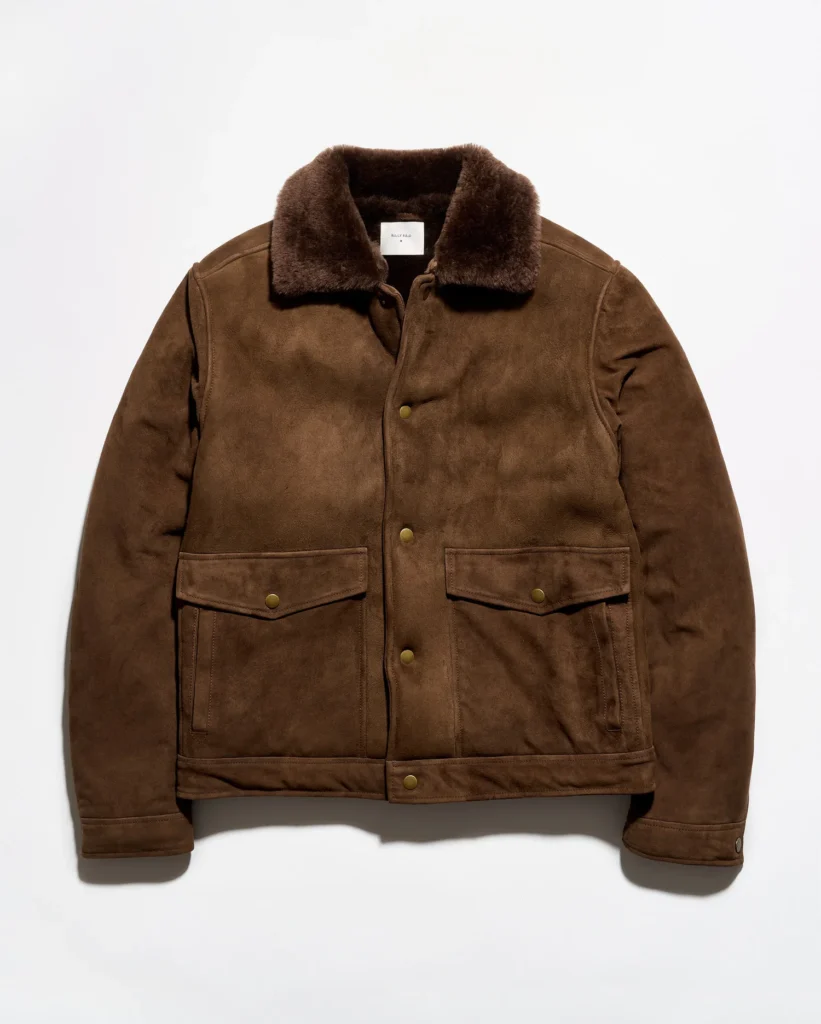
Every Billy Reid piece starts with something somebody on staff already wears to death. The Fulton came off an archival layer belonging to the associate art director, and the logic holds—goat suede outside, lamb fur merino at the collar and through the body, down filler in the sleeve liner. Antique brass hardware. The signature heirloom ribbon stripe runs the sleeve and the snaps. A thirty-year coat priced like one. For the guy who reads the interior of a jacket before the exterior.
JURA Z10 Diamond Onyx ($4,499) [Sponsored]
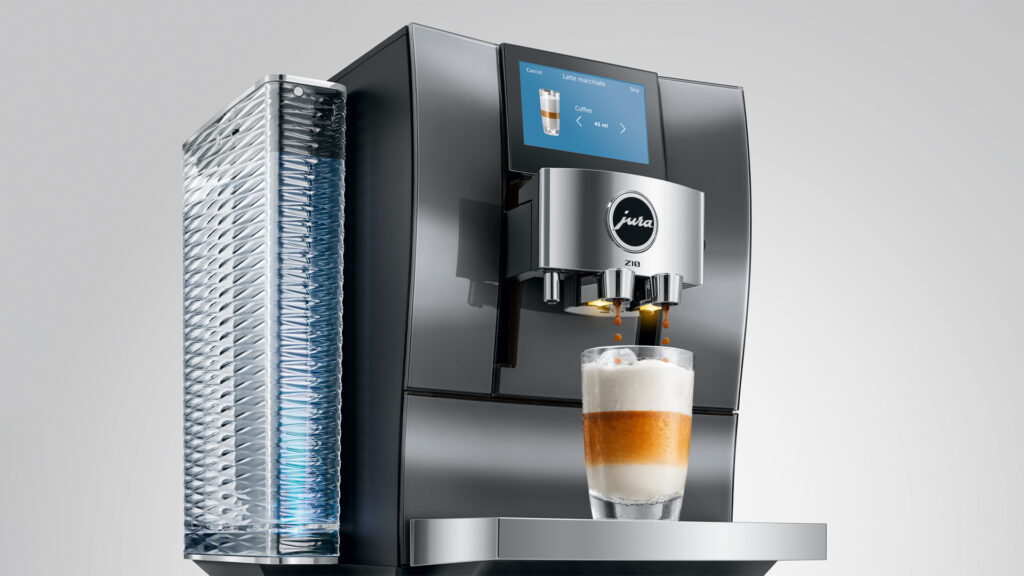
The second-generation JURA Z10 offers 51 specialties across four worlds of indulgence, Classic Hot Brew, Light Brew, Cold Brew, and Sweet Foam, at the touch of a button. A new chocolate attachment enhances the Sweet Foam function for mocaccinos. With its award-winning design, high-performance grinder, and intuitive touchscreen interface, the Z10 combines exclusive technology with Swiss craftsmanship.
HTC VIVE Eagle ($499) [Sponsored]
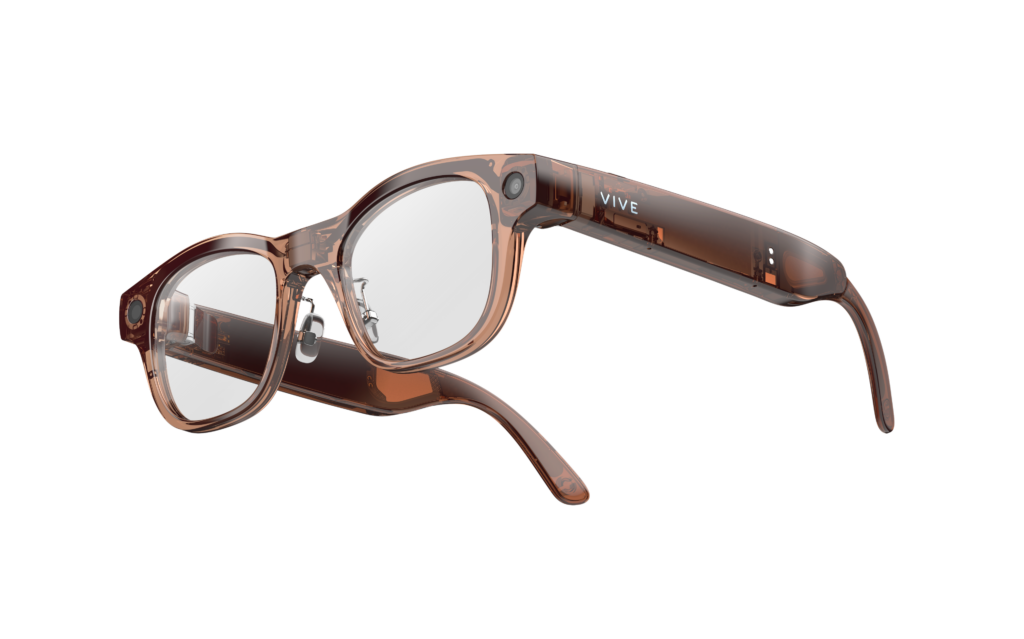
Smart glasses have spent three years promising a display nobody asked for. The Eagle skips it. What you get is a camera, open-ear audio, an AI assistant you talk to, and live translation, in a frame that reads as eyewear rather than hardware. HTC built the privacy story into the product rather than the press release, which in this category counts for something. The square brown frame with transparent lenses is for the traveler who wants the camera and the translator without announcing either.
Purchase VIVE Eagle on Vive.com. US URL: https://shop-us.vive.com/products/vive-eagle
Purchase VIVE Eagle on Amazon: Square: https://www.amazon.com/dp/B0H783FSJ4 Pantos: https://www.amazon.com/dp/B0HHC92YWF

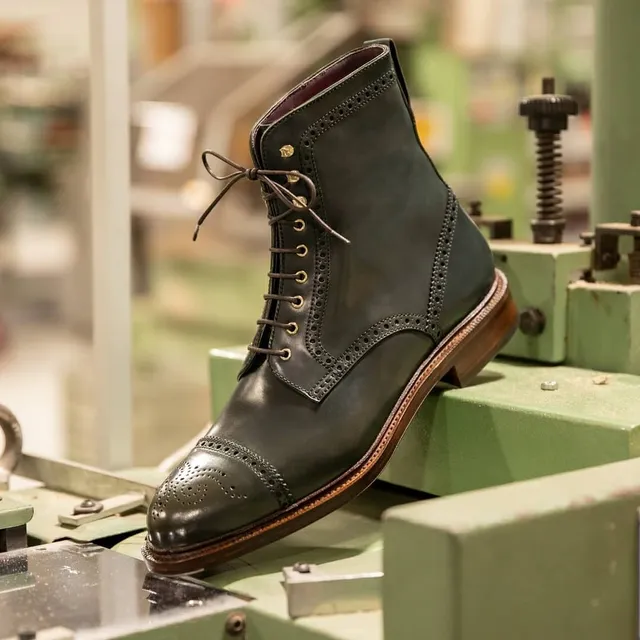
Carmina Custom Shell Cordovan Boot ($2,095)
Shell cordovan is the part of the hide that rewards patience—smooth, deep, and it throws a luster nothing else matches. Carmina sources theirs from Horween in Chicago and builds each pair on Mallorca using methods six generations old. The custom service puts the decisions in your hands: oxford, loafer, boot, then the details. The leather ages into something that reads as yours and nobody else’s. For the man who buys less and expects more from what he owns.
Jack Victor Mr. Vic Camel Monogram Blanket ($898)
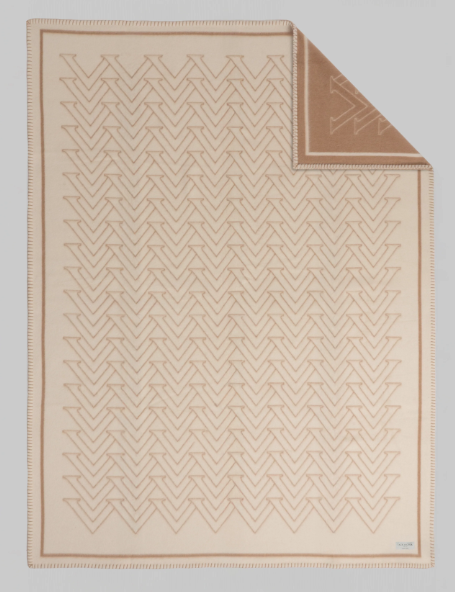
Alpaca is warmer than wool and softer than it has any right to be. Blend it with wool, and you get back the durability. Jack Victor weaves the two into a V monogram pattern, and the result works draped over a sofa arm, folded at the foot of a bed, or thrown across a chair in a room nobody uses in July. A gift that occupies the space between useful and decorative without apologizing for either. For the person who notices what a room feels like.
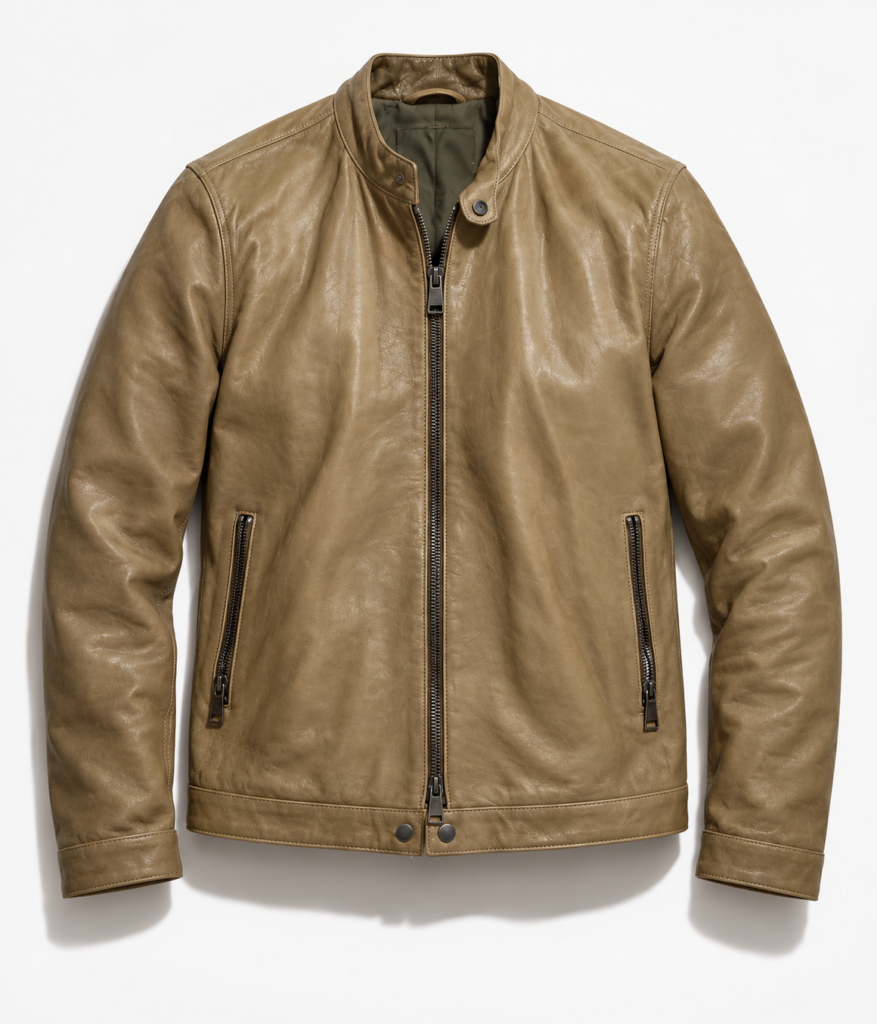
Rye 51 The Brando Italian Leather Racer Blouson ($1,498)
Made in a second-generation workshop in Corciano, Italy, in batches capped at a hundred—small enough to show how much attention each one gets. Aged Italian lambskin, already carrying a lived-in patina before it reaches you, which is the part most leather jackets make you earn over five years. Taupe instead of black, so it works as outerwear rather than a statement. For the person who wants Italian craft without the logo.
Foundrae Multi-Medallion Necklace (Prices vary)
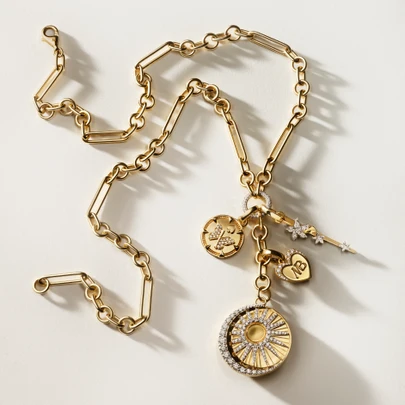
The 18k gold chain is built to carry several medallions at once. Each one holds a symbol from mythology—a lion for strength, a scarab for protection, a snake for renewal—so the ones you pick say something specific. She starts with one or two. She adds more at moments that warrant it: a birth, a move, a year she got through. What she ends up with is a record, not an accessory, and something that eventually goes to someone else. Prices vary at foundrae.com/collections/multi-medallion-necklaces.
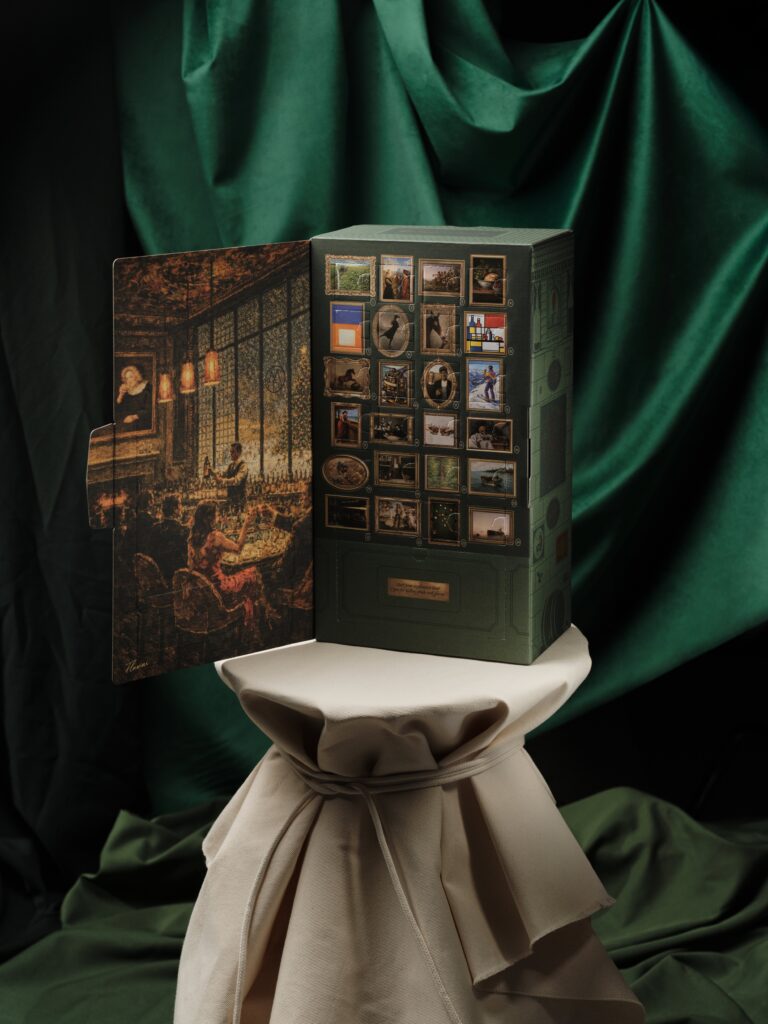
The Museum of Flaviar Whiskey Advent Calendar ($270)
A regular advent calendar gives you a chocolate a day. This one gives you a whiskey a day. Ninth edition, eight straight years of selling out. Behind each of the 24 doors is a single-pour vial paired with a send-up of a famous painting. Mostly bourbons, with ryes and scotches worked in, from Four Roses Small Batch Select to Amrut’s Aadya Indian single malt. The box includes two snifters, a tasting journal, and a year of Flaviar Black membership. The beginner finds a preference.
Dom Pérignon x Damien Hirst Limited Edition ($300)
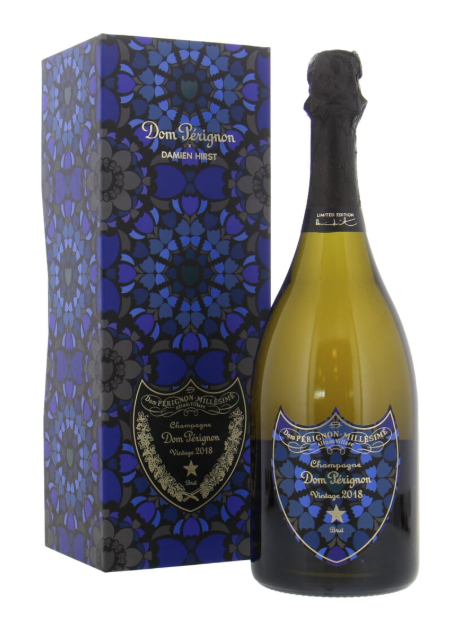
Dom Pérignon bottles only its best years and has long handed those bottles to artists—Koons, Lynch, Lady Gaga. This year, Damien Hirst. He has worked with butterflies for decades, and when he looked at the house’s shield he saw one, then repeated it into a kaleidoscope drawn from his 2001 paintings made of actual wings. The pattern runs the bottle and the box, with his signature on a black collar. Vintage 2018 in blues and violets, Rosé 2010 in magenta for the Pinot Noir. Best bottle on the table, then a Hirst on the shelf.
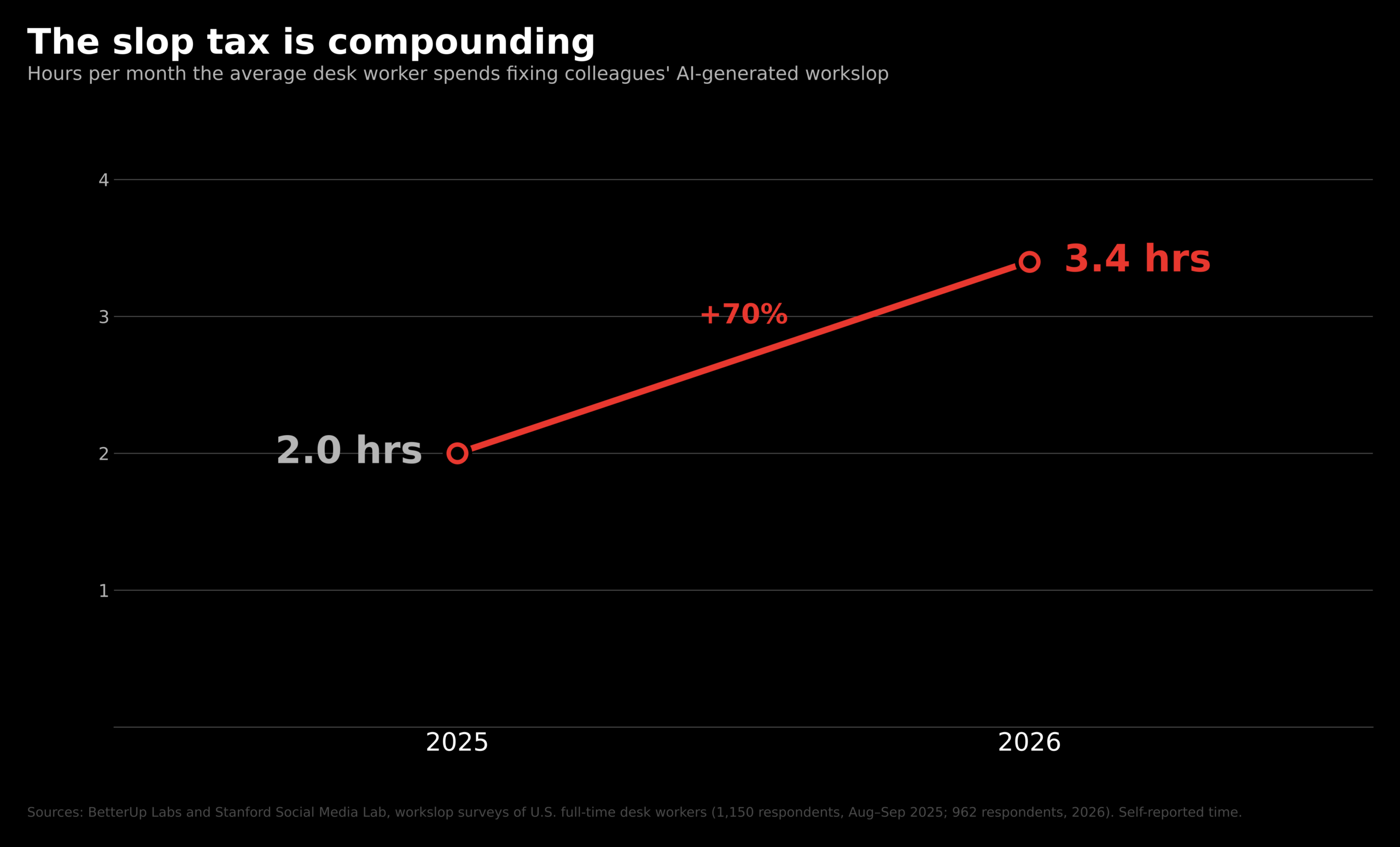
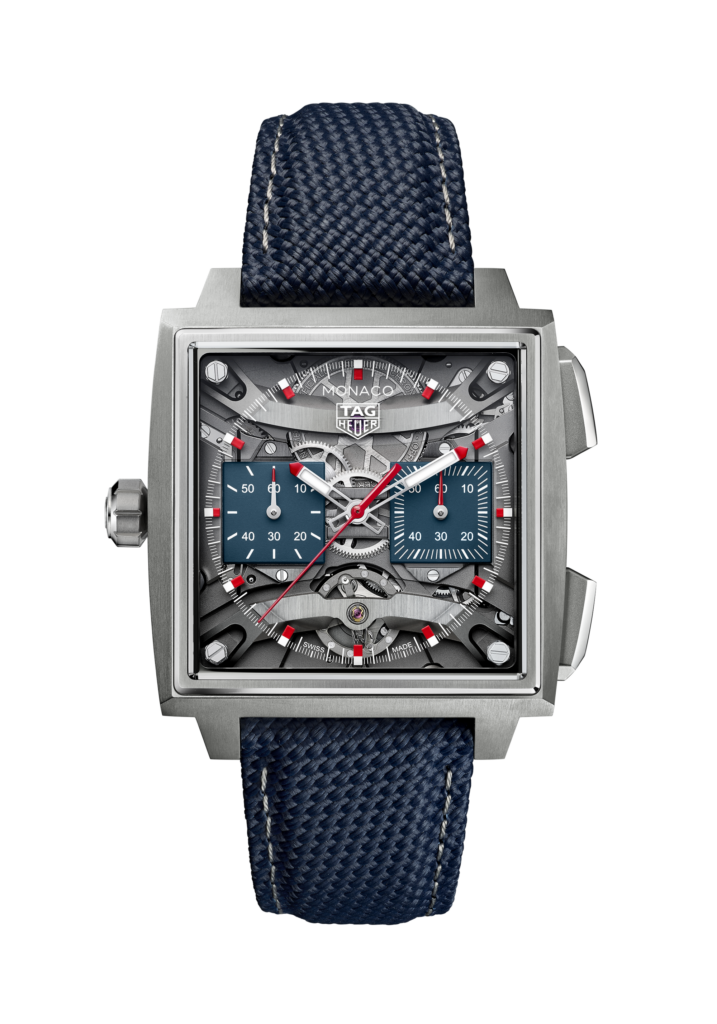
TAG Heuer Monaco Evergraph ($25,000)
The Monaco has been a square watch in a round world since 1969, which is most of its appeal. The Evergraph is TAG’s 2026 take, shown at Watches & Wonders, and it comes in two ways: black DLC on rubber, or titanium, which is the one to photograph. A square case does something no round case can—it reads as a decision rather than a default. This is also the point at which a watch stops being an accessory and becomes the first thing somebody notices for the man who already owns the obvious watch.
Conrad Maldives Rangali Island, The Muraka (From $70,000)

The bedroom sits sixteen feet below the surface of the Indian Ocean, under an acrylic dome, and you sleep with reef fish overhead. Above water, there’s a second bedroom, a pool, a gym, and a butler who’s seen this reaction before. Two nights runs around $70,000. It is an absurd number, and that is the function it serves here—every gift guide needs one thing the reader looks at rather than buys. Somebody does buy it for the traveler who has run out of rooms that surprise him.
The Nature Conservancy Gift Membership ($50 to $10,000)
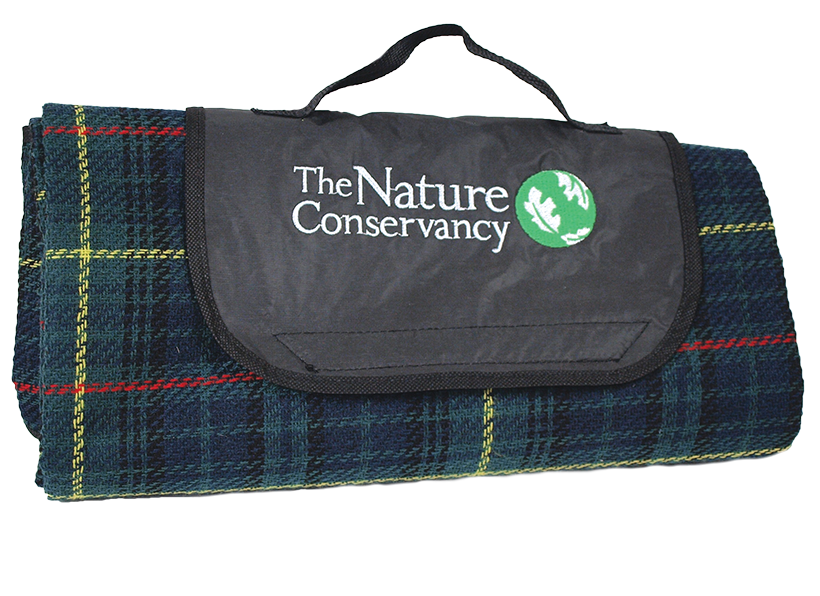
The cleanest way to give money away on somebody else’s behalf. Tiers run from $50 to $10,000; the recipient gets a year of the magazine, and the money goes to land and water protection in 70-odd countries rather than to overhead theater. What makes it work as a gift is the range: the same gesture scales from a colleague to a client to a child who has started asking where things go. It is the rare entry on a list like this that gets better the less you spend on yourself.
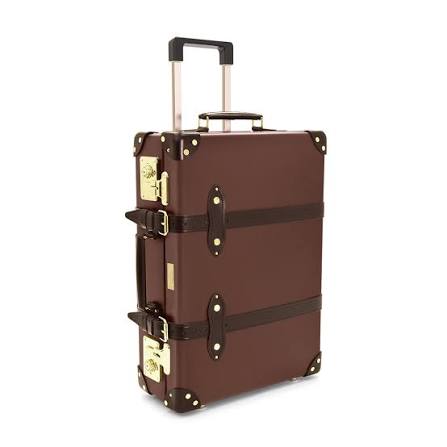
Globe-Trotter Centenary 125 Carry-On ($4,795)
Vulcanized fibreboard—a material patented in the 1850s and essentially unchanged since— hand-built in England on machinery old enough to be listed. It is lighter than aluminum, takes a dent as character rather than damage, and announces itself in an overhead bin without a logo doing the work. The Heritage Brown and Chocolate is the version worth shooting. This is luggage as an inheritance rather than a purchase, which is the only argument for spending this on a carry-on. For the traveler who has already bought the aluminum one.

Steinway Model B Spirio | r ($199,400)
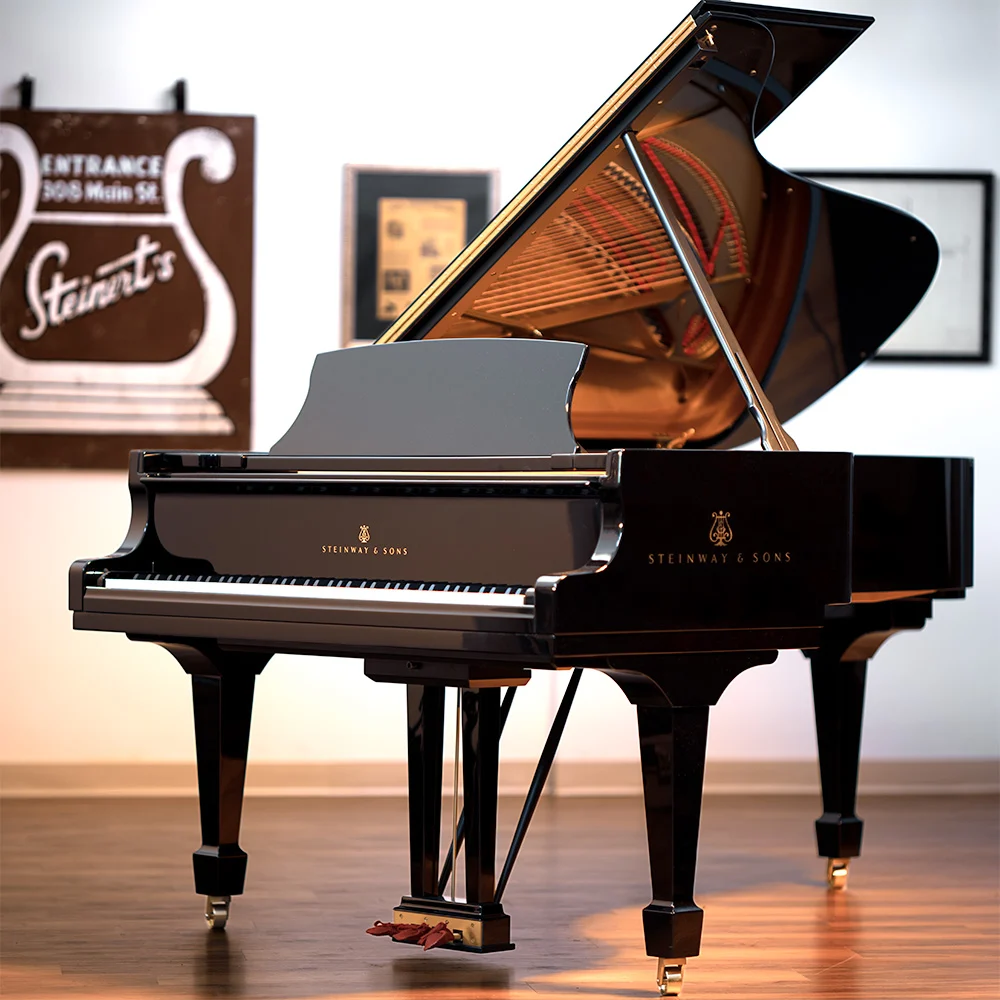
A seven-foot grand that records what you play—every hammer velocity, every pedal position—and plays it back on its own keys, indistinguishably. The library ships with performances captured from living pianists, so the instrument fills a room at three in the afternoon whether or not anybody in the house plays. It is the most expensive thing on this list, for the house where the piano has become furniture.
Leica Q3 43 ($6,985)
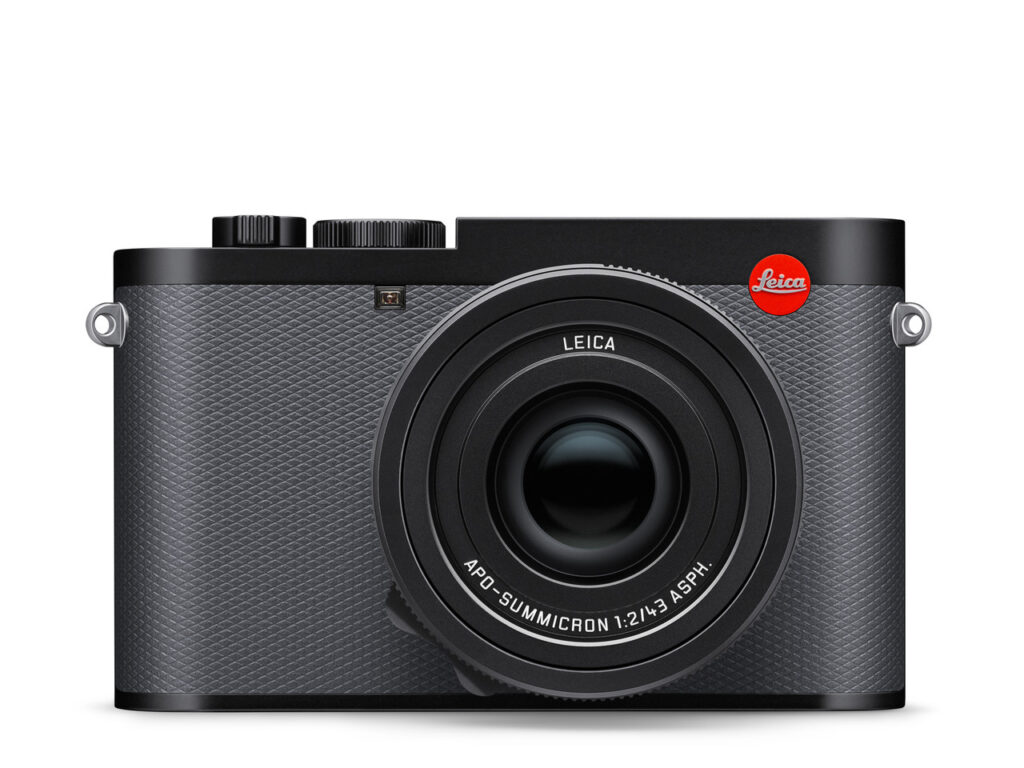
A fixed 43mm APO-Summicron f/2 on a full-frame sensor, which means no lens decisions and no bag. Forty-three millimeters matches human vision, closer than the 35mm and 50mm everyone defaults to, and the files have the rendering Leica charges for. It is also a camera people ask about, which is either a feature or a nuisance depending on the owner. Roughly $6,985, though Leica doesn’t publish U.S. pricing—confirm with a dealer. For the person who has stopped pretending the phone is enough.
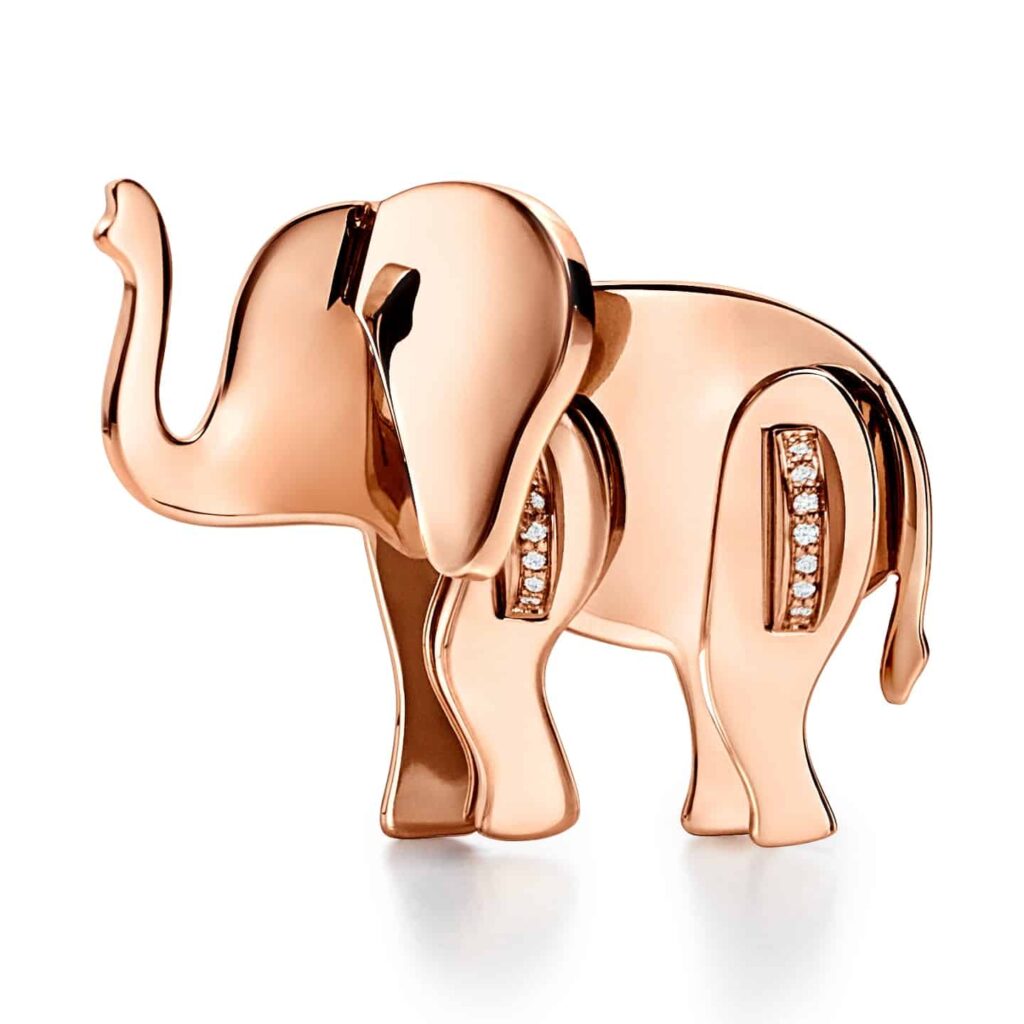
Tiffany & Co. Save the Wild (Prices vary)
Animal forms in gold and diamonds—elephants, rhinos, lions—with proceeds going to the Wildlife Conservation Network. The collection has passed $10 million in donations, which is the number that separates this from the usual percentage-of-proceeds gesture. The pieces are small and wearable rather than ceremonial, which matters for something meant to be worn past the holiday. Prices vary by piece and the current roster shifts, so check availability. A gift that works on two registers at once, and the second one lasts.
Bang & Olufsen Beoplay H100 ($2,300)

Noise-canceling headphones have converged on the same plastic shape and the same four colors. The H100 features lambskin, anodized aluminum, and a sapphire-glass touch ring, and the earcups are replaceable—B&O builds them to be serviced rather than replaced, which, at this price, is the entire proposition. They sound like the money. They also look like an object somebody chose rather than a commodity somebody ordered. For the traveler who has decided the flight is worth equipping properly.

Regiis Ova The Temptuous Trio ($379.95)
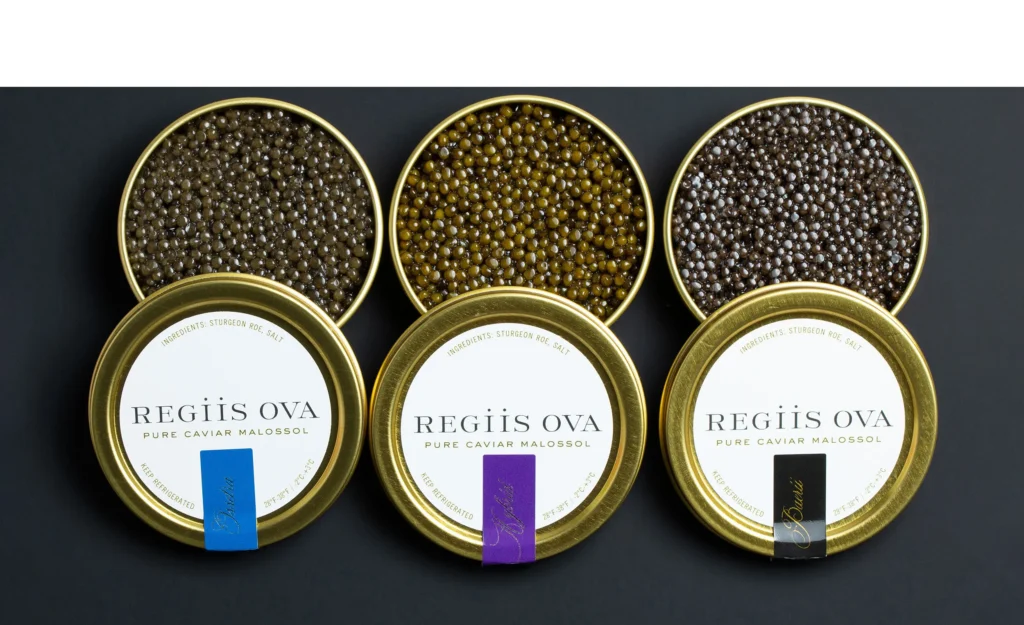
Thomas Keller’s caviar house: three 30-gram tins—Ossetra, Royal, and Baerii—with a mother-of-pearl spoon and a tin opener. The three-tin format is the point: side by side, the differences between them stop being marketing copy and become something you can taste. Serve it on its own, cold, with nothing underneath. It arrives, it gets eaten that night, and nobody has to find a place for it. For the host who has everything except an excuse.
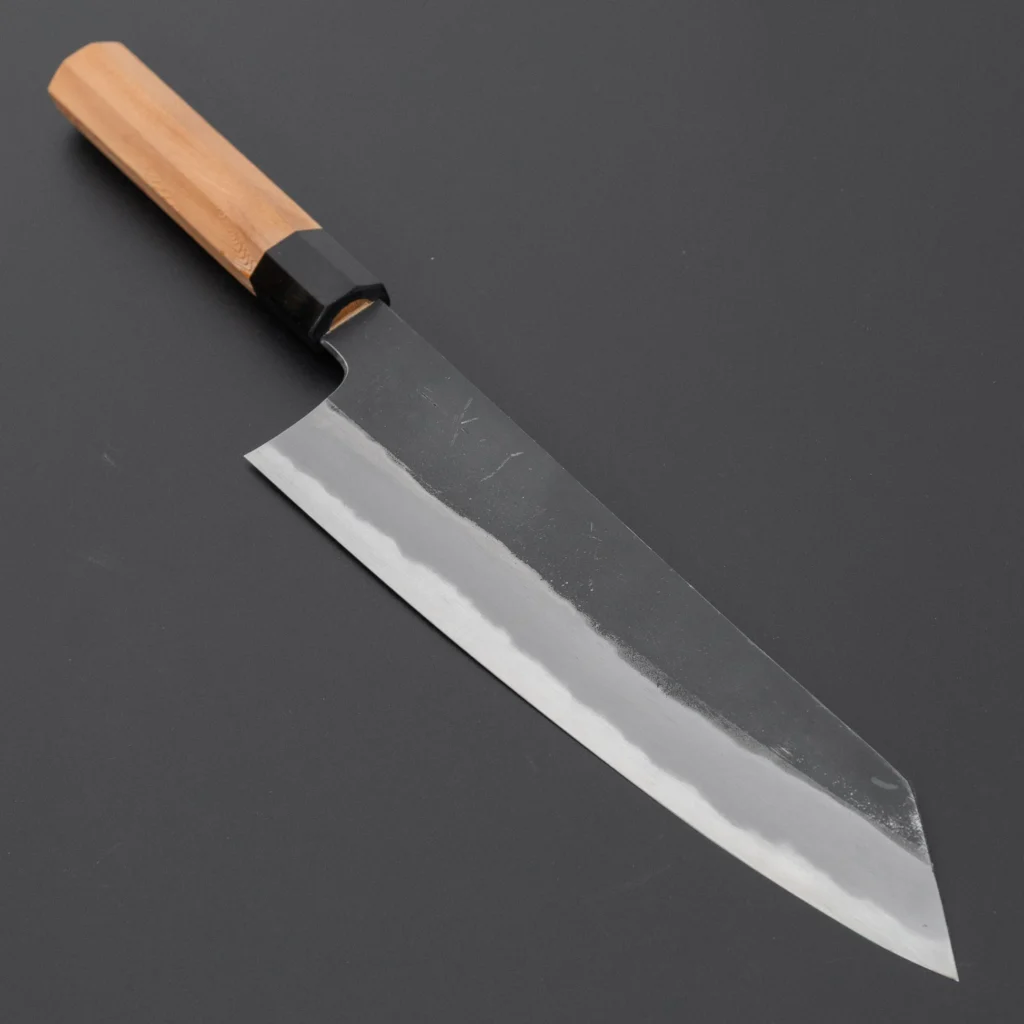
Hitohira Togashi 240mm Gyuto ($795)
A stainless-clad Shirogami 1 core, which means the edge takes an absurd degree of sharpness and the exterior forgives the owner for not drying it immediately. The handle is taihei Makassar ebony. Bernal Cutlery in San Francisco sells it, sharpens it, and will teach the recipient to do it themselves, which is most of the value. A 240mm gyuto is the only knife a competent cook actually needs. This is the version they’ll still be using in thirty years, for the cook who has outgrown the block set.
The Complete Pharoah Sanders Theresa Recordings ($139)
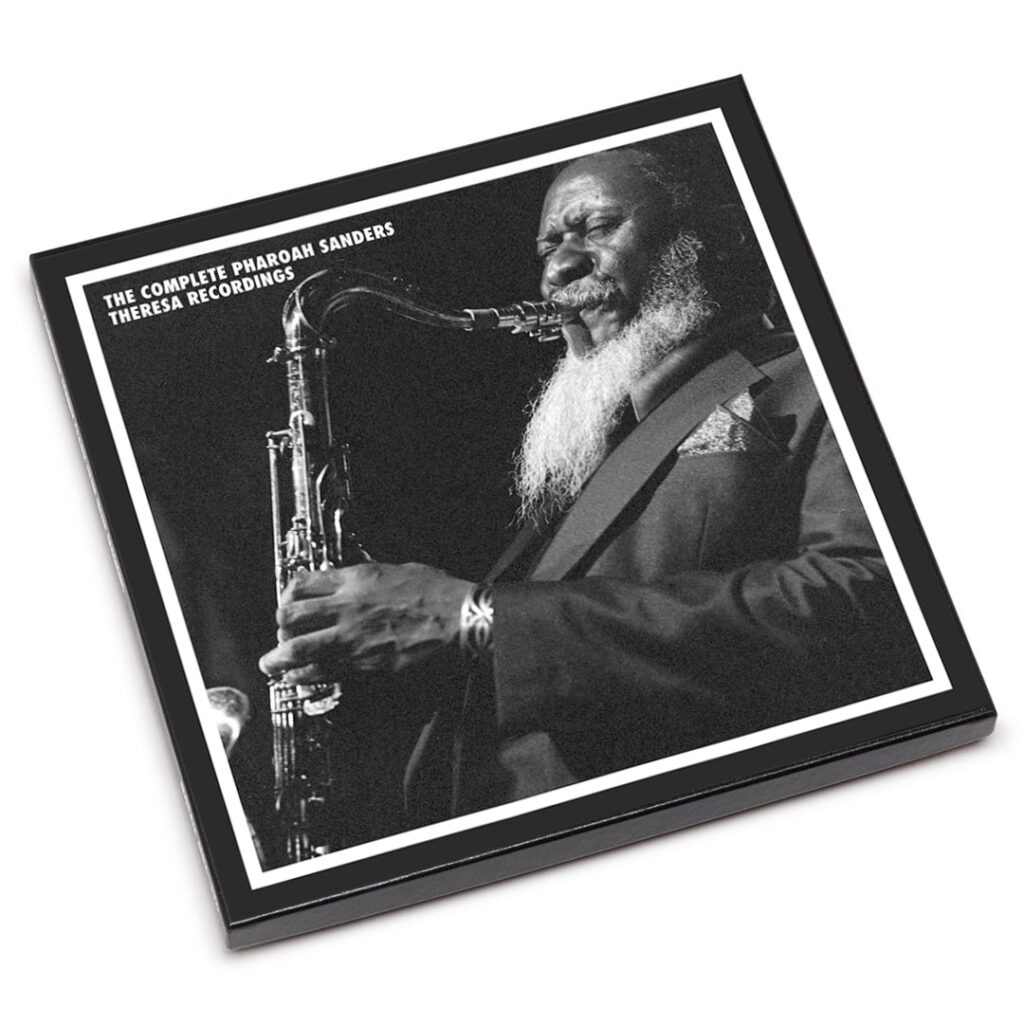
Mosaic has spent 40 years doing the thing streaming cannot: assembling a body of work, in order, with the session details and the photographs and an essay by somebody who was there. This is the Theresa material—Sanders in the early eighties, past the fire and into the hymns—across seven discs, numbered and limited. When Mosaic sells out of an edition, it is gone for the listener who has the records and wants the context.
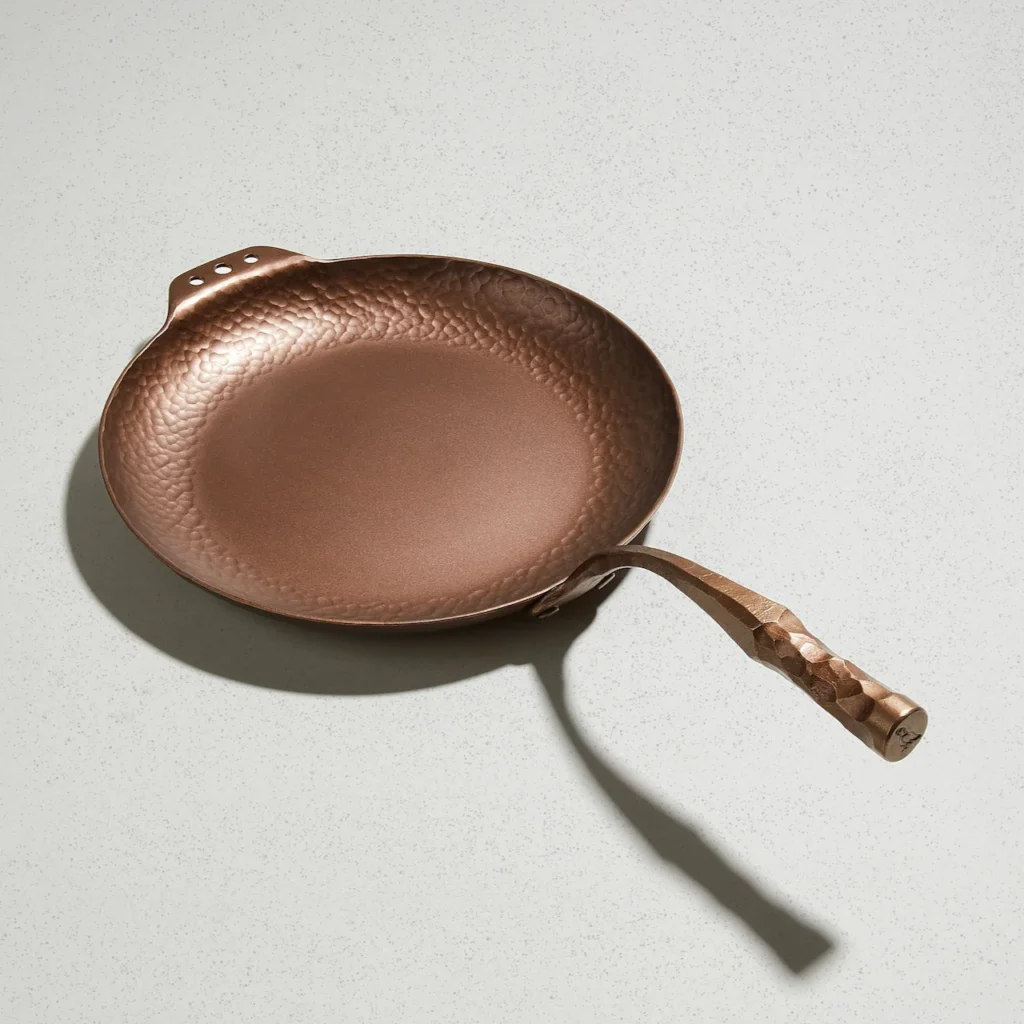
Smithey Farmhouse Skillet ($300)
Cast iron with a polished cooking surface, made before mid-century manufacturers stopped bothering to mill it smooth. The difference is immediate—food releases, seasoning builds evenly, and it stops being equipment that requires a relationship—made in Charleston. The Farmhouse is the larger, handsomer version; the No. 12 at $220 is what most people should buy. Either way, it outlives the recipient for the cook who inherited a rusted one and gave up on it.
KEF LS60 Wireless ($5,999.99)
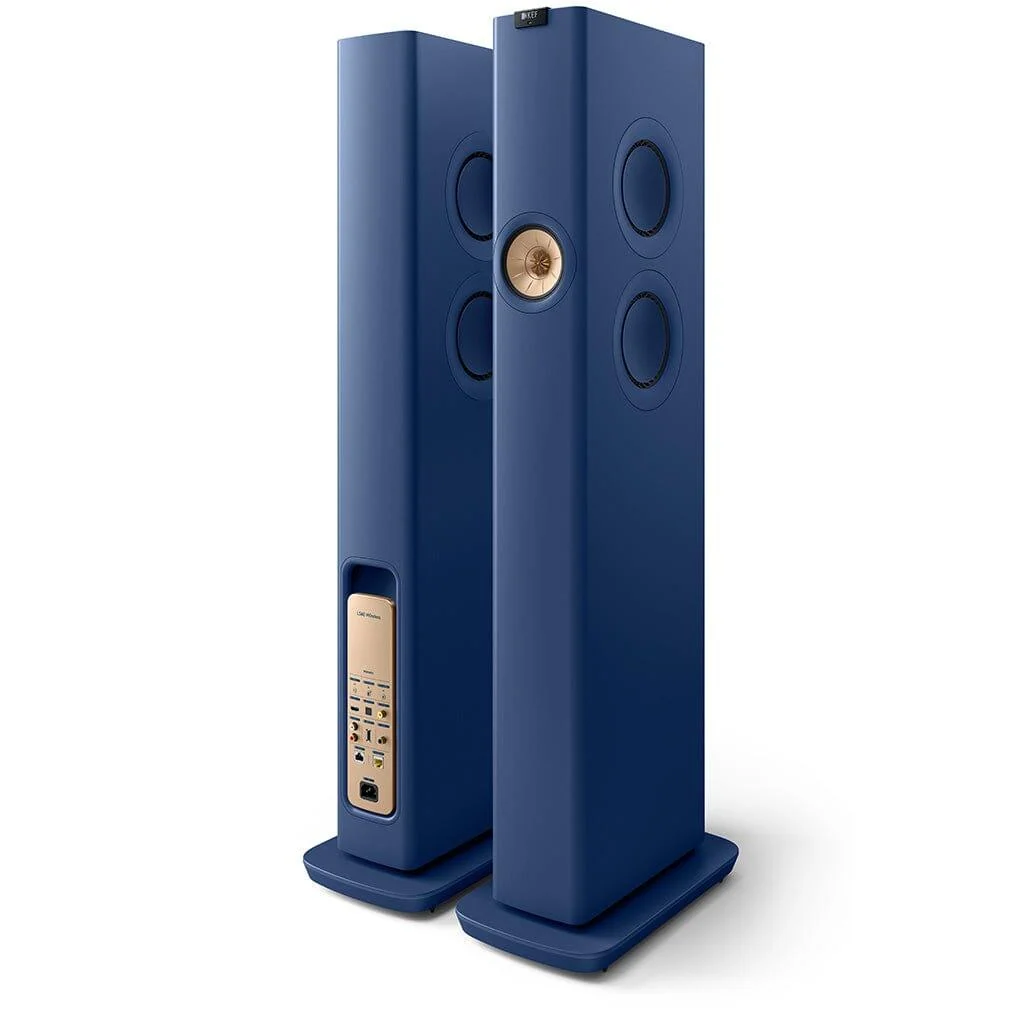
Four inches deep, forty inches tall, with no amplifier, no cable run, and no rack. Everything is inside the cabinet. KEF built these for apartments where a proper system was never going to be allowed, and they don’t sound like a compromise. The drivers firing in opposition cancel their own cabinet vibration, which is why something this slim produces real bass. Four finishes; Mineral White is on backorder. For the listener whose room has design constraints and no patience for boxes.

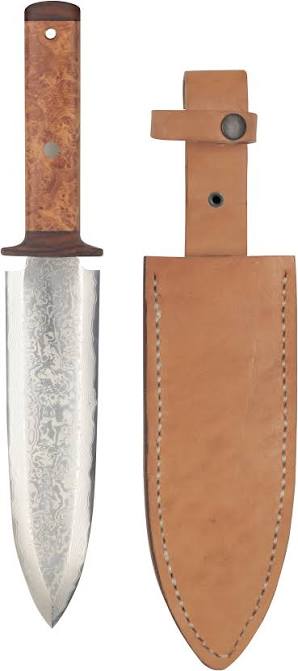
Niwaki Damascus Hori Hori ($870)
The hori hori is a Japanese digging knife—serrated on one edge and beveled on the other—equally good at dividing a root ball and cutting through sod. Niwaki’s Damascus version is the one you give rather than buy for yourself, with a folded-steel blade that looks like water and holds an edge through a season of abuse. It will outlast several pairs of gloves and most of the garden. For the gardener whose tools live in a bucket and deserve better. $870 at niwaki.com.
Blue Note Tone Poet Society ($38.98/month)

Joe Harley picks the titles, Kevin Gray cuts the lacquers from the original analog tapes, and the records arrive in gatefold tip-on jackets on 180-gram vinyl. The November drop is Freddie Hubbard’s Hub Cap and Booker Ervin’s Structurally Sound; December brings Jimmy Smith’s The Sermon! and Hank Mobley’s Dippin’. A membership means these show up without anyone deciding anything, which is the correct way to build a jazz collection for the listener with a turntable and gaps.
Function Health ($365/year)
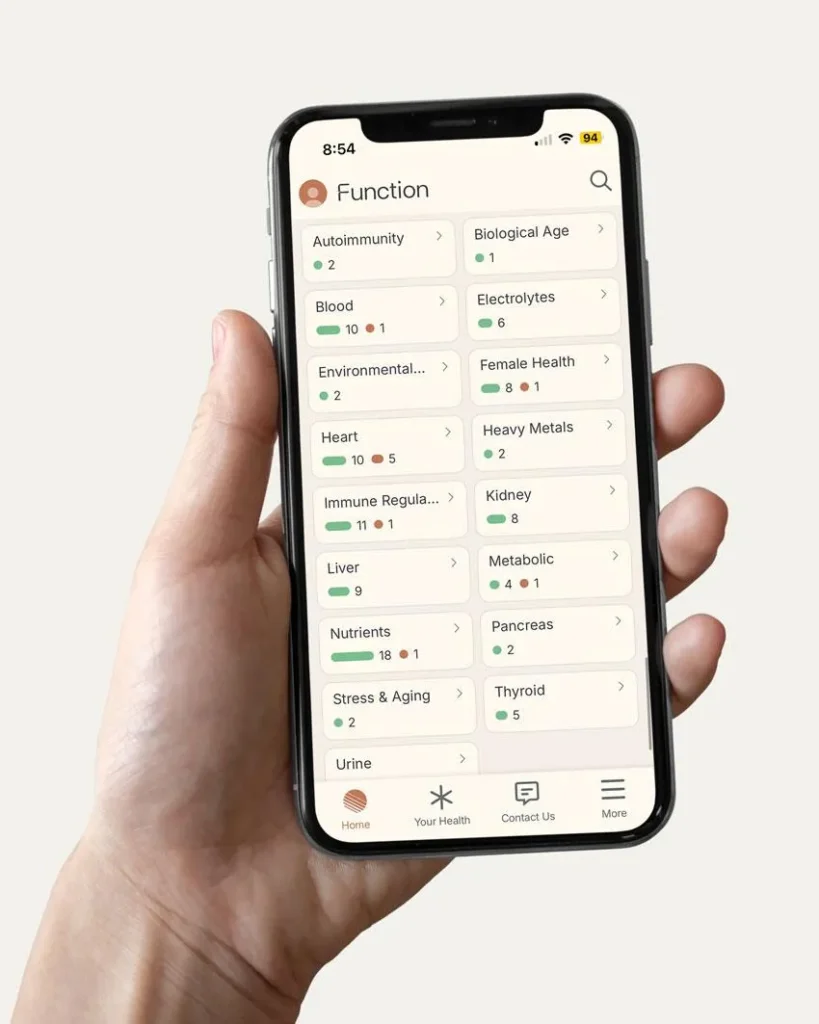
More than 160 biomarkers, twice a year, with clinician review and results in plain language rather than a PDF nobody opens. This is the category the money has moved into—not supplements, measurement—and Function is the version that works without a concierge relationship. It’s $365 a year, HHSA-and FSA-eligible, and there’s a gift option. The gift here is information somebody has been putting off getting. Deliver it carefully; it lands differently than a scarf. For the person who hasn’t seen a doctor since the physical their job required.
Eight Sleep Pod 6 ($2,899)
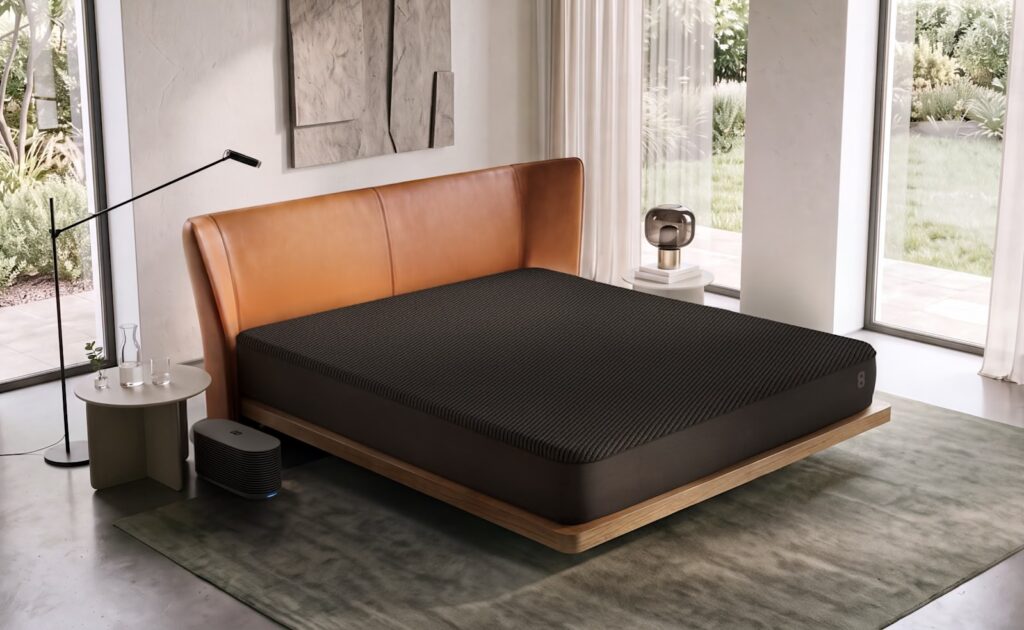
A cover that fits over your existing mattress and holds each side at 55 to 110 degrees, independently, all night. For couples who have been negotiating a thermostat for a decade, this ends the argument. It tracks sleep without a wearable, warms the bed before you get in, and raises the head when snoring starts. The hardware is $2,899, and the Autopilot membership runs $299 a year, so budget $3,198 for the first year. For the couple who sleeps badly and has blamed everything except the bed.
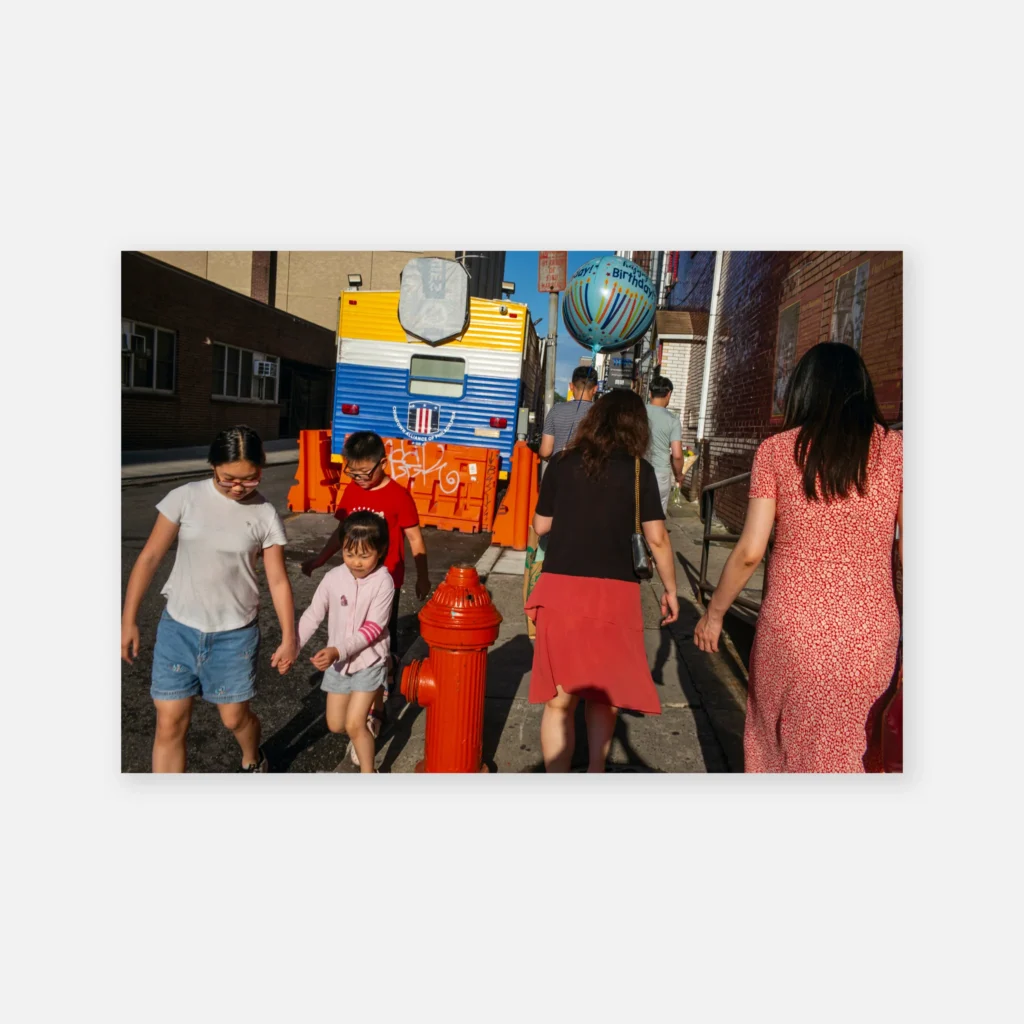
Alex Webb: Walking Blues, Book and Print Set ($850)
Webb has spent fifty years making photographs that hold four things at once in a single frame, mostly in hard light and far from home. Aperture’s set pairs the new monograph with a signed print, which is the difference between a book on a table and something on a wall. Editions like this close, and the print is what appreciates. Currently on preorder. For the person who looks at pictures seriously and owns none.
Montblanc Meisterstück Romeo & Juliet LeGrand Fountain Pen ($1,580)
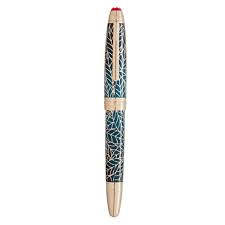
The Meisterstück has been the same pen since 1924, and that’s the point. This is the literary edition—the cap engraved for the balcony scene, the clip set with a red stone, the nib hand-ground 18k gold that writes differently after six months because it has learned the hand holding it. A fountain pen is a deliberately inconvenient object in 2026, and that inconvenience is the gift: it makes the writer slow down for the executive whose desk has nothing on it that it didn’t issue.
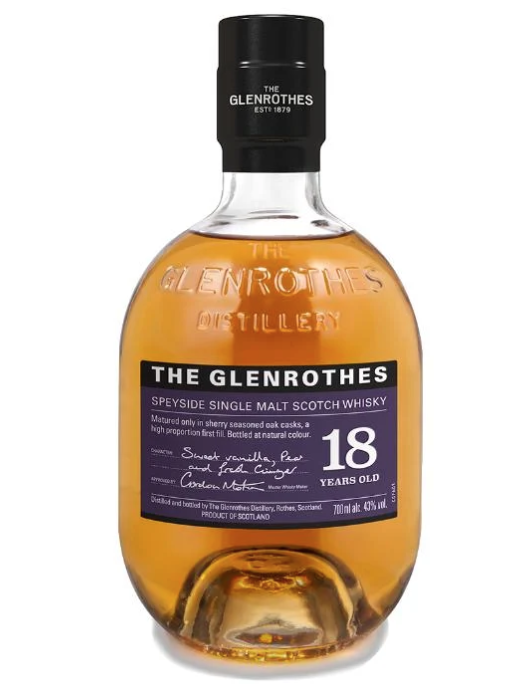
The Glenrothes 18 Year Old ($185)
Glenrothes spent most of its first century as other people’s whisky—the backbone of Cutty Sark and Famous Grouse —bought by blenders who knew exactly what it was worth and never put its name on the label. The 18 is the argument for giving it one. Matured entirely in sherry-seasoned oak, no coloring added, and poured from the rounded decanter that makes it the most identifiable bottle on any bar. Ripe pear and orange on the nose, ginger and rose water underneath, a long finish with pepper at the end, for the drinker whose shelf is all peat and smoke.
Kings County Distillery Signature Gift Set ($85)
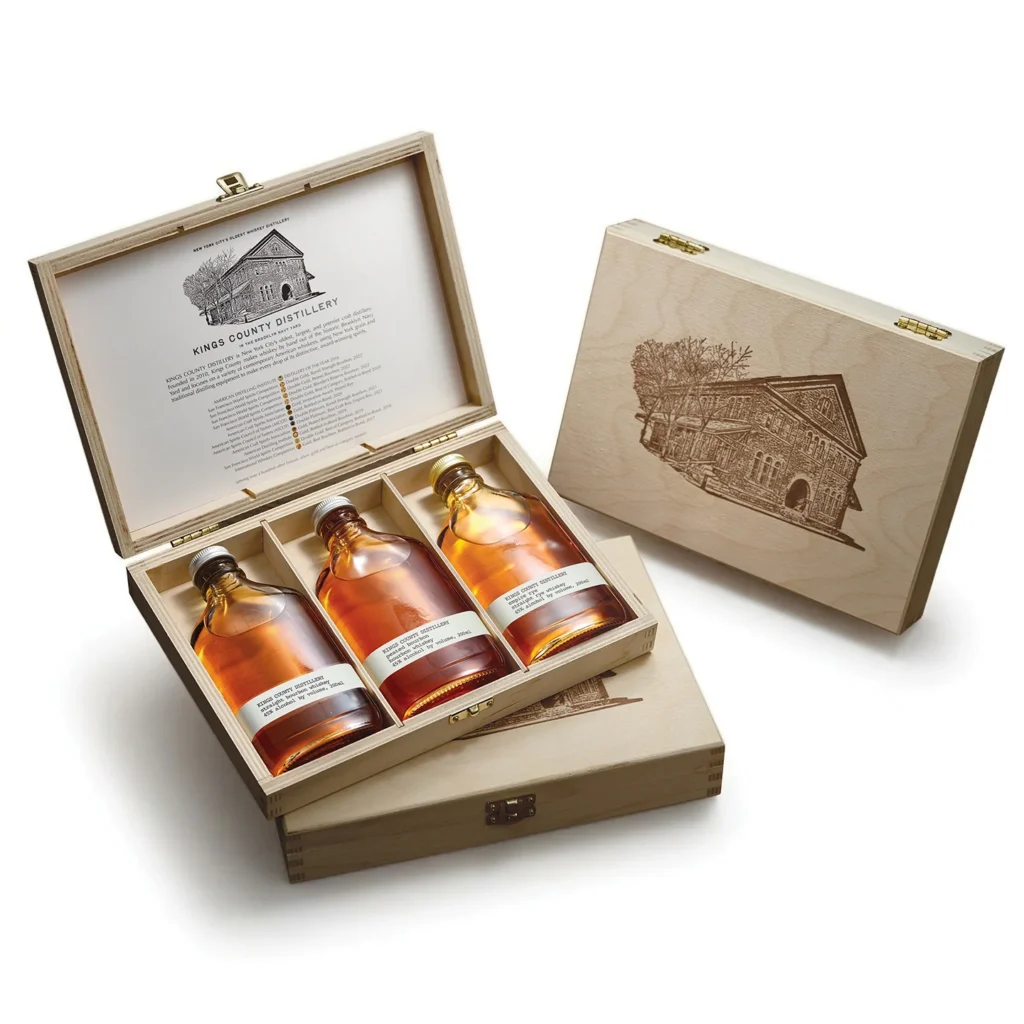
The oldest operating whiskey distillery in New York City, in the old Paymaster Building at the Brooklyn Navy Yard, making grain-to-glass whiskey in a borough that lost the trade a century ago. The set includes three 200ml bottles—Straight Bourbon, Peated Bourbon, and Straight Empire Rye, the last of which belongs to a New York State category that requires the grain to be grown here. Three formats, one house style, eighty-five dollars. The best-value gift on this list by a wide margin. For anyone, essentially.

Good Trouble Whiskey’s Trouble in Blues ($445) [Sponsored]
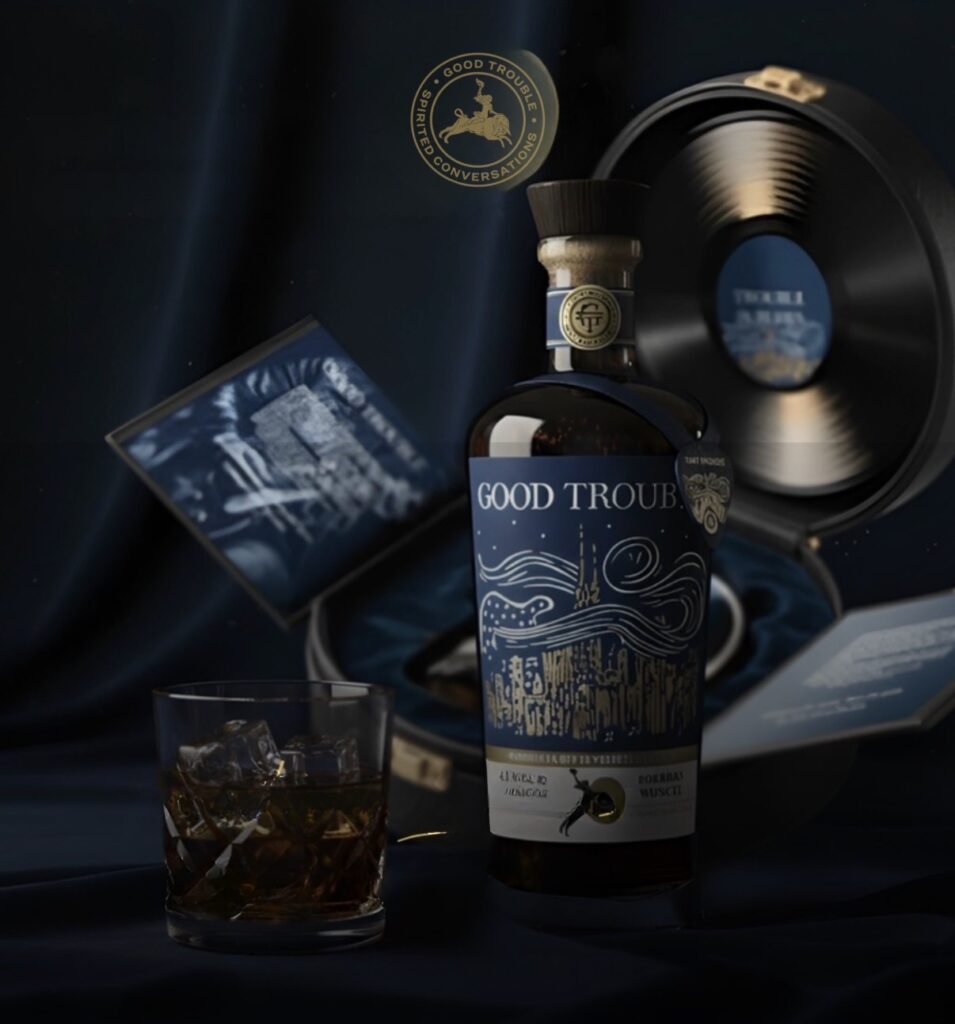
Good Trouble’s Trouble in Blues brings bourbon, music, and storytelling together in a distinctive gift for the discerning collector. This award-winning Kentucky Straight Bourbon, recognized by prestigious international spirits competitions, includes a Buddy Guy album celebrating the blues, plus an individually numbered bottle and Certificate of Authenticity. $445; only 96 of 445 bottles remain. Discover it at goodtroublebourbon.com.
Boveda 100-Count Humidor ($399)
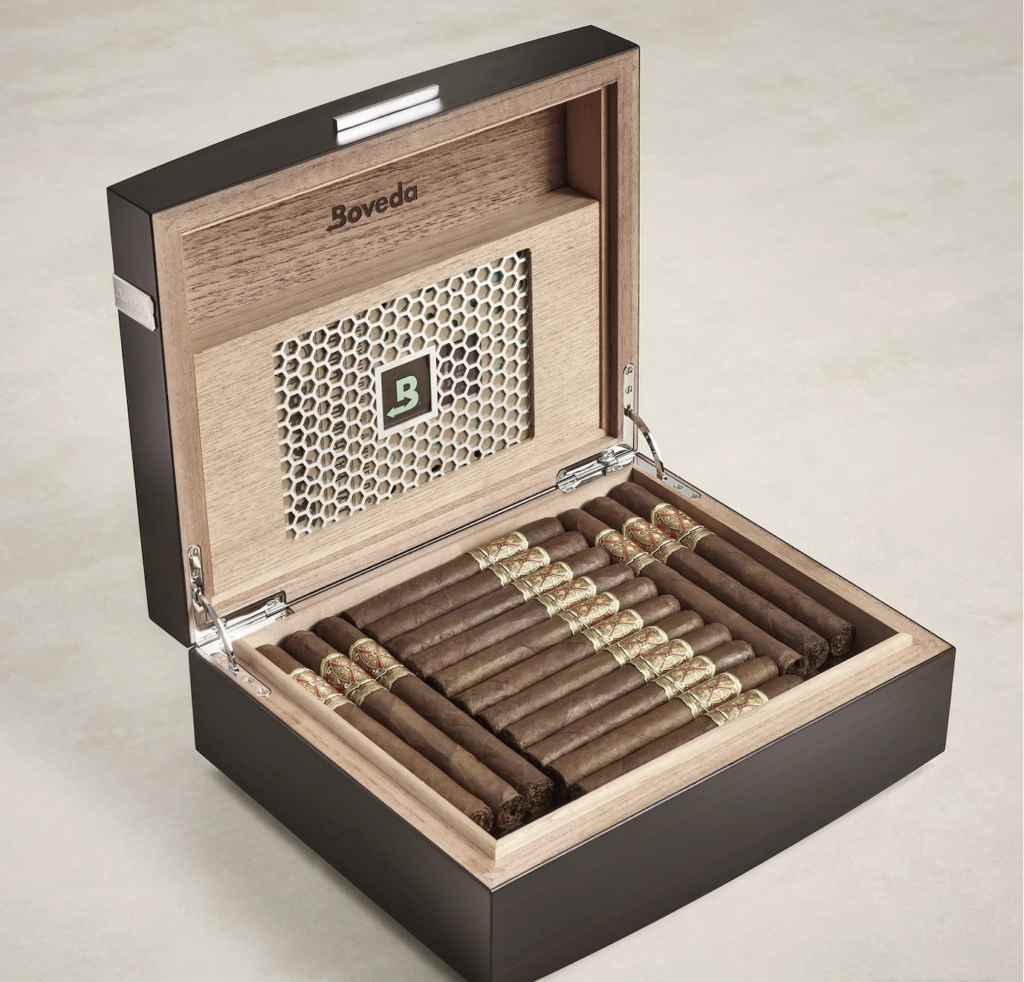
Cigars deserve the same care as a good bottle of wine. Boveda’s 100-Count Humidor ($399) gives them a handsome home, with a Macassar ebony finish, chrome hardware, and a Spanish cedar interior fitted with removable dividers for organizing your collection. Inside, two-way humidity control holds a precise 69% relative humidity, within 2%. There’s no distilled water, gel, sponges, or beads to fuss with: it arrives with six months of humidity control included, so you season it once, swap in a fresh Boveda pack every six months, and let your collection mature into its fullest flavor, safe from dried-out wrappers and mold.