For decades, conventional business wisdom treated the human body like a machine: run it hard during the workday and save the maintenance for the weekend. Well-being was considered a personal responsibility, managed off the clock and largely separate from business performance.
Most companies today recognize that a burned-out executive makes worse decisions than a rested one, and that this pattern compounds the longer it goes unaddressed. Costs like these don’t appear as a discrete line item, but they surface in decision quality and, ultimately, financial performance.

The question facing executives is no longer whether their own well-being matters, but exactly how much professional performance is left on the table by ignoring the biology that drives successful leadership.
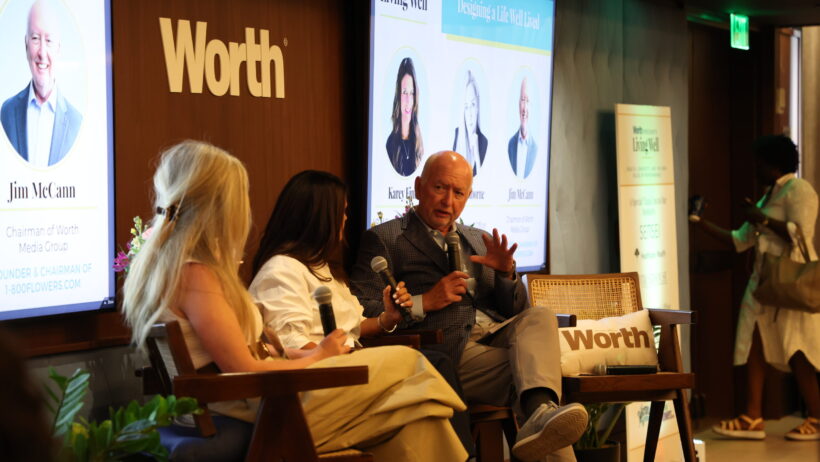
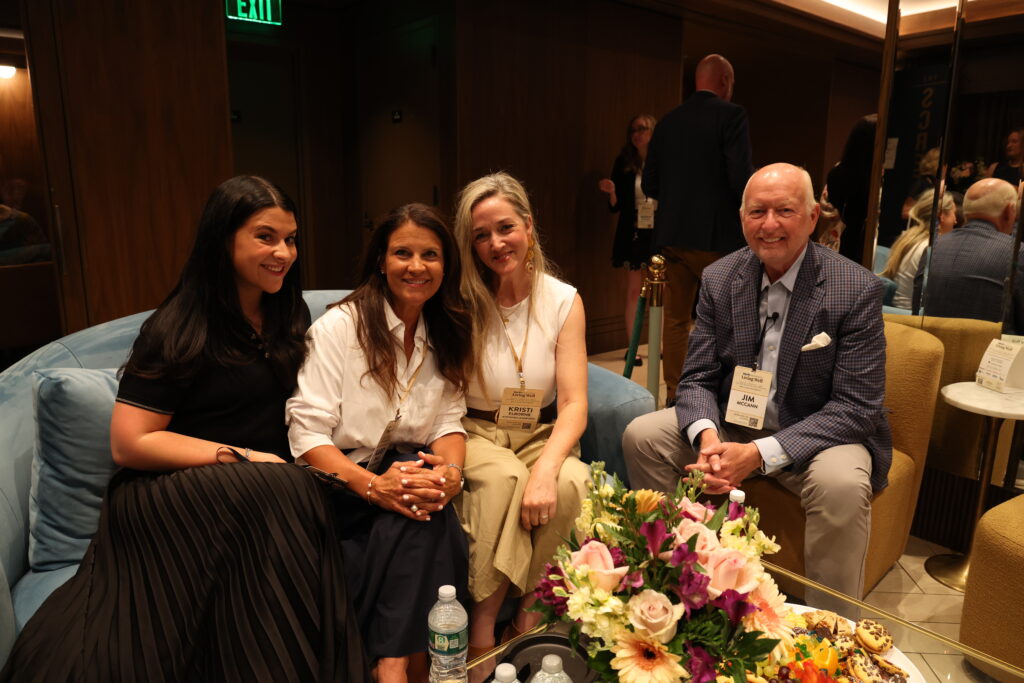
That topic was a major undercurrent at Worth Media’s recent Living Well conference in New York. Across sessions blending cutting-edge medicine with workplace culture, health and business leaders focused on a new frontier of productivity: unlocking the biological and psychological drivers required to sustain performance over a long career.
Balancing Energy and Recovery
One of the most compelling ideas discussed in the conference was that sustained performance depends as much on recovery as it does on effort.
Alex Walterspiel, CEO of wellness resort Sensei, noted that elite athletes have long understood this principle: training and recovery are complementary parts of the same system. Yet many executives still treat recovery as time away from performance, rather than one of the conditions that makes performance possible.
Walterspiel said her company has taken simple steps to put this theory in practice. In its calendar software, for instance, meetings default to 25 or 55 minutes rather than 30 or 60, creating space between commitments. The company also introduced monthly “Flex Fridays,” with no meetings and no expectation that anyone justify how the time is spent. These changes are designed to create room for reflection, recovery, and focus.
Research presented elsewhere at the conference reinforced that idea.
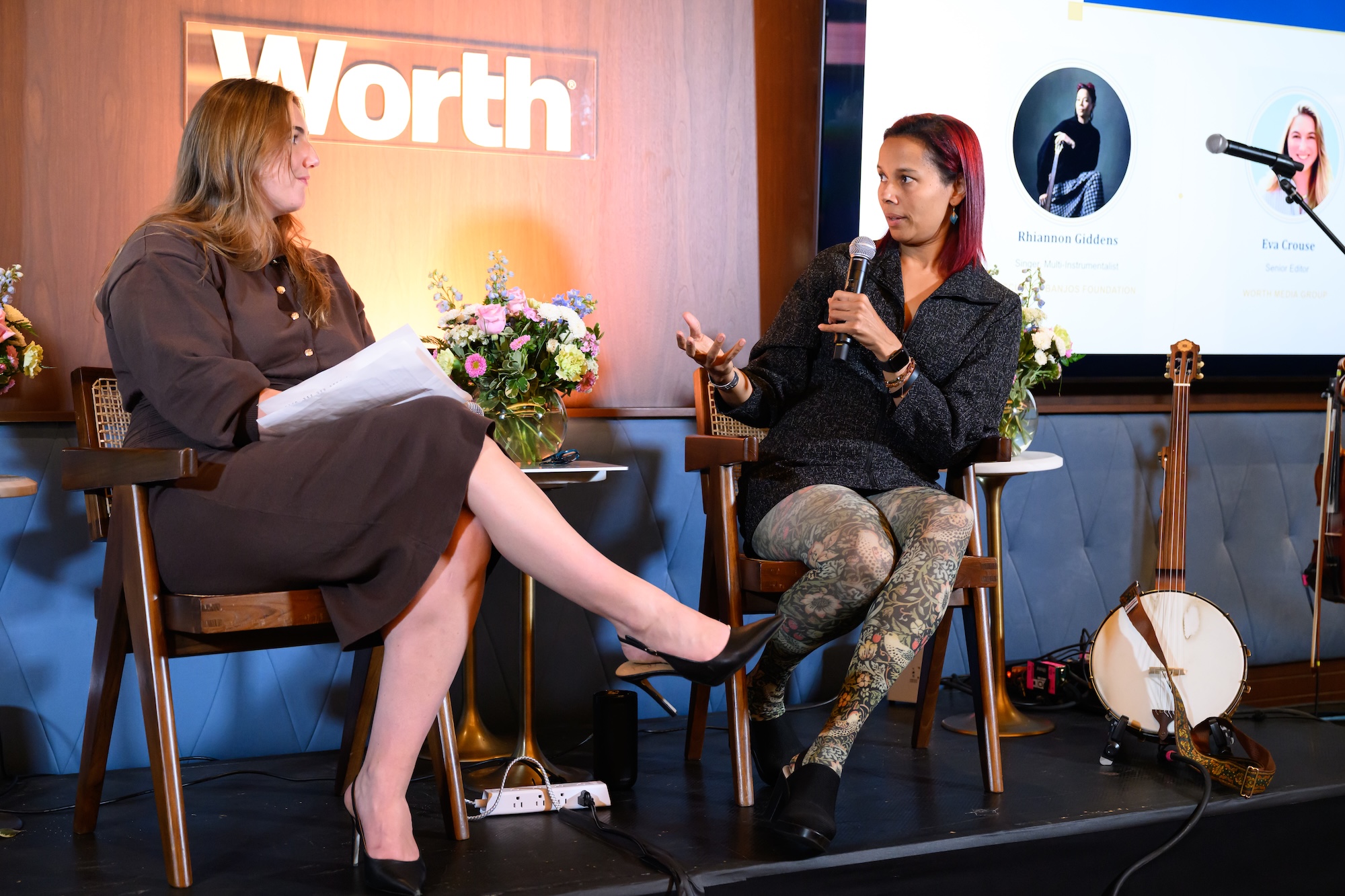
Journalist and author Manoush Zomorodi shared findings from a study conducted with Columbia University researcher Keith Diaz examining the effects of brief movement breaks during the workday. Participants who took five minutes of light movement every 30 minutes reported lower fatigue, steadier focus, and greater productivity, along with higher-quality work and increased job satisfaction.
For executives whose days are filled with meetings, decisions, and constant digital engagement, the findings are particularly relevant. Performance, the study suggests, is shaped not only by how hard people work, but by how well they manage their energy across the day.
Participants initially treated the movement breaks as interruptions. Over time, many reported the opposite: the breaks helped them make better decisions and return to their work with renewed focus.
Purpose and Relationships Matter, Too
The conference also explored a less tangible aspect of performance: purpose.
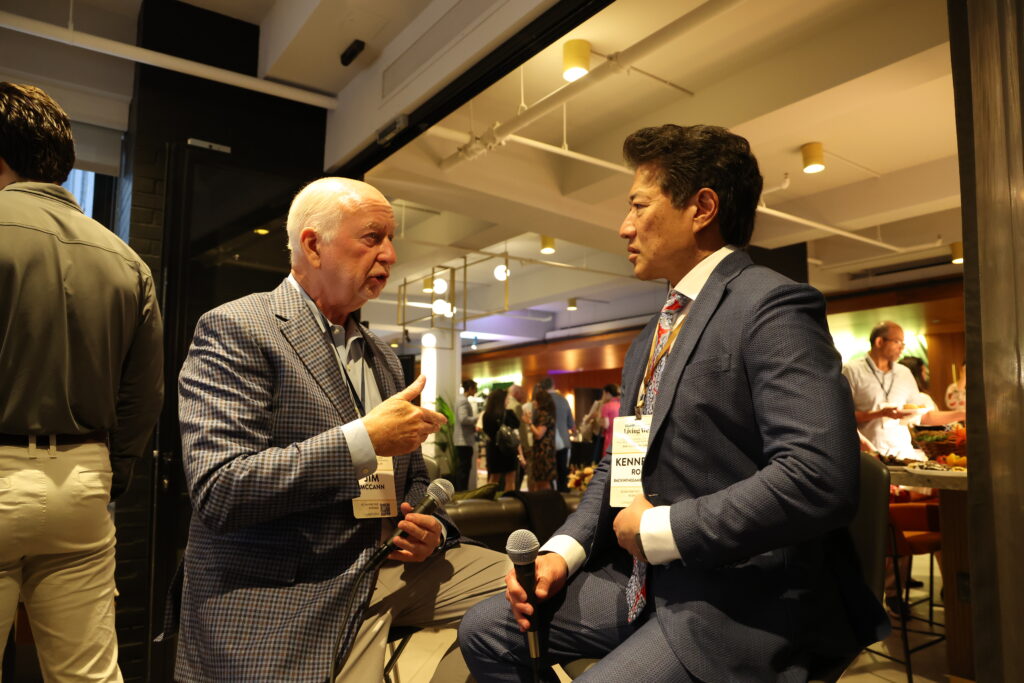
Chip Conley, founder of the Modern Elder Academy and former head of global hospitality and strategy at Airbnb, has spent years studying the science of longevity. While much attention is paid to physical health, he argues that purpose and social relationships are equally important ingredients to an executive’s success. He noted that strong relationships remain one of the strongest predictors of health and happiness.

Conley also challenged the assumption that purpose is something people discover once and carry with them forever. As careers lengthen and life expectancy increases, more leaders are redefining success and reinventing themselves multiple times over the course of their lives.
Rather than viewing midlife as a period of decline, Conley sees it as an opportunity to apply experience in new ways. He describes this stage through the idea of “generativity”—using accumulated knowledge to mentor others and create something that outlasts us.
That perspective has implications for today’s executives: sustaining performance over decades means cultivating curiosity, maintaining strong relationships, and remaining open to new challenges and new chapters.
Performance for Longer Lives
Living Well made a strong case for a new kind of leadership discipline: sustained capacity. The executives who last are the ones who treat their own biology as part of the job, not a separate concern managed around it.
Energy, recovery, and purpose are drivers in the quality of a decision made at hour eleven of a workday. They show up in the clarity available for a hard conversation, or its absence. And they show up over the longer arc of a career—in the stamina required to keep making good decisions across 20 or 30 more years of work, not just this quarter or this year.