Between careers, family, and their own fitness routines, high-achieving couples are rarely short on goals. Too often, the relationship gets sidelined for them.
That’s where Lydia Moran comes in. A Mindset Guide at Sensei Lānaʻi, a certified physician assistant, and a certified health coach, Moran works with partners to curate immersive wellness itineraries supportive of their individual and collective goals. Her first lesson surprises most couples: the itinerary works best when they aren’t together every minute.
A Vacation Isn’t Recovery
Couples arrive carrying stress, burnout, and constant demands on their attention, Moran says, and a traditional getaway rarely clears it. Vacations offer an escape, but “they don’t always provide the conditions needed for true recovery.” Packed itineraries, travel logistics, and “the pressure to make the most of every moment” can send people home “just as depleted as when they left.”

A structured retreat works differently. With the days built around rest, reflection, movement, nutrition, and mindfulness, both partners leave “doing mode” at the same time. For people trained to solve, decide, and perform, that may be the hardest part. “In a world that constantly rewards doing,” Moran says, “there can be tremendous value in simply being.”
Two Busy People, or One Partnership?
Why go together instead of booking two separate retreats? Perspective. As a pair, couples see where they support each other well, where their priorities collide, and how their routines shape the partnership. One partner’s breakthrough often lands harder when the other is there to see it, “creating a deeper level of understanding than individual work alone,” Moran says.
It’s also a chance to agree on what they want their shared life to look like. “Rather than operating as two busy individuals moving in parallel,” she says, couples can reconnect, hold each other accountable, and build habits that serve them both.
The Myth of Doing It All Together

The misconception Moran hears most is that couples wellness means doing everything as a pair. “In reality, healthy relationships are built on a balance of connection and individuality,” she says. “We often see one partner golfing while the other enjoys a facial or meditation session. Later, they reconnect and share their experiences over a meal.”
The itinerary is built around that balance. Moran doesn’t sort couples into types like newlyweds, empty nesters, or partners in a business transition. She focuses on “understanding their unique dynamic.” A stay opens with a My Intention session, which couples can do together to find shared goals or apart to speak more freely. It closes with My Plan, where guests turn what they’ve learned into next steps, as one shared plan or two individual ones. “Both approaches can be equally valuable,” she says.
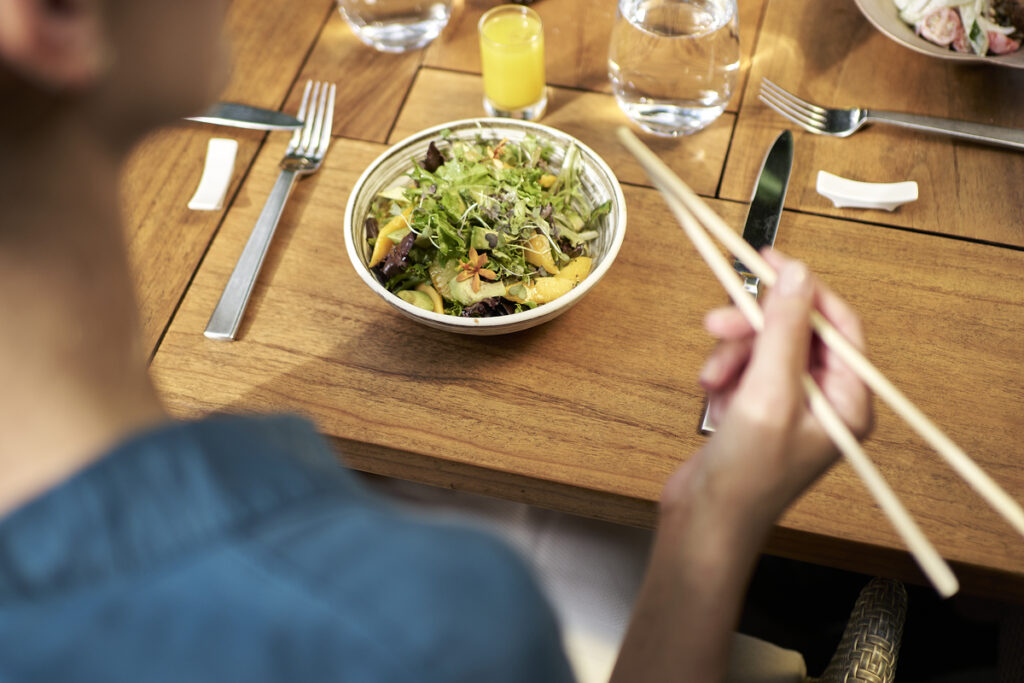
The days in between flex to fit the couple. If one partner lives on the road and needs strategies for eating well while traveling, and the other cooks for the family at home, separate nutrition sessions make sense. A signature Sensei session called Sensory Eating works best for two. It surfaces habits around eating pace, decision-making, and how each person’s upbringing shaped their relationship with food, and the conversations it starts tend to outlast the session. In the gym, guides adjust weights, intensity, and circuits so partners with very different fitness levels can train side by side without either one straining to keep up. The spa offers a side-by-side couples massage, or Sensei’s signature Art of Couples Massage class for those who want techniques to take home.
“Ultimately, the program doesn’t force partners to be synchronized,” Moran says. “The intention is for both individuals to feel met where they are.”
Whose Numbers Are Better?
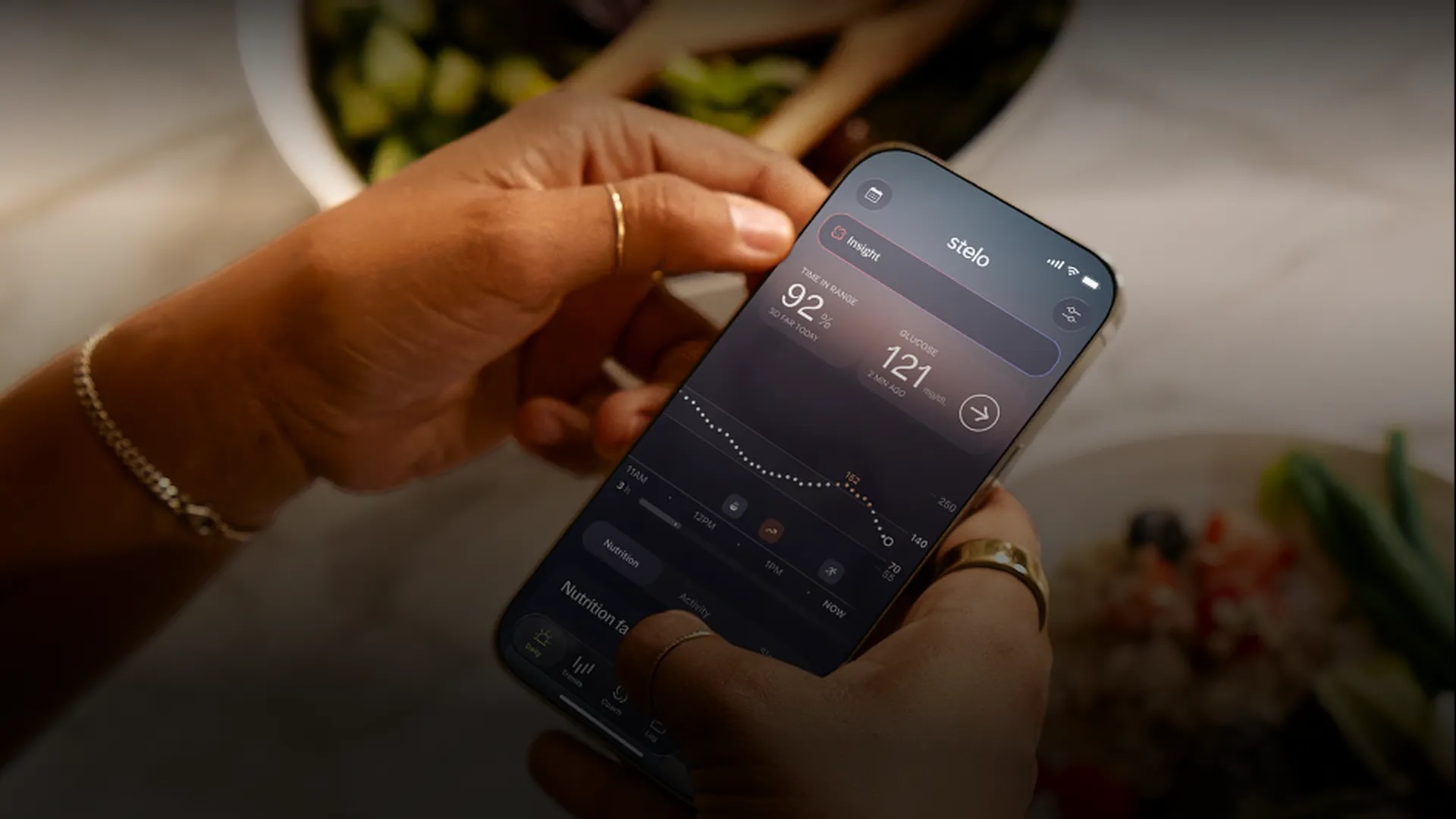
Where biometric and recovery data are part of the experience, the urge to compare is strong. Moran steers couples away from it. Sensei doesn’t usually put partners’ data side by side, because age, sex, physiology, health history, fitness level, and genetics all shape what’s normal for each person. “It’s not an apples-to-apples comparison,” she says. “The more valuable question isn’t ‘Whose numbers are better?’ but rather ‘What is my data telling me about my own health, recovery, and lifestyle?’”
Behavior is where partners really influence each other. When one prioritizes sleep, movement, or stress management, it often rubs off, so “both people thrive, even if their biometric data looks very different.” One pattern does show up again and again among high performers: frequent travel. Different time zones, nights apart, and broken routines all take a toll on sleep and recovery. It’s a reminder, Moran says, “of how closely our well-being is connected to the rhythms and routines we share with those closest to us.”

From Managing Life to Living It
The biggest change Moran sees over a stay is in how couples talk. At home, much of their time together goes to coordinating schedules, handling finances, caring for family, and clearing an endless stream of emails and tasks. On Lānaʻi, with those demands set aside, they “shift from managing life together to actually experiencing it together.”
The setting does some of the work. “Part of the magic of Sensei is its setting,” Moran says. Without a steady stream of calls, meetings, and notifications, being present gets easier. By the end, many couples seem more relaxed and connected, thanks to a natural co-regulation that can happen “when two people slow down in the same environment.” It might come from a walk, an unhurried meal, a new skill learned together, or simply time to talk without interruption. Many leave “not only physically restored but also more attuned to one another.”

What Travels Home
For couples who can’t get to Lānaʻi, Moran’s first suggestion is simple: “a phone-free meal together.”
For partners who rarely share a time zone, she suggests lowering the bar, not raising it. “The goal isn’t necessarily more communication, it’s more intentional communication,” she says. Many high-performing couples feel pressure to stay constantly connected, which isn’t realistic on demanding schedules. The ones who manage best choose consistency over frequency: a five-minute daily check-in, a voice memo before bed, or protected time each week when their schedules line up.
It doesn’t take long conversations every day, Moran says. It takes “maintaining a sense of presence in each other’s lives.”