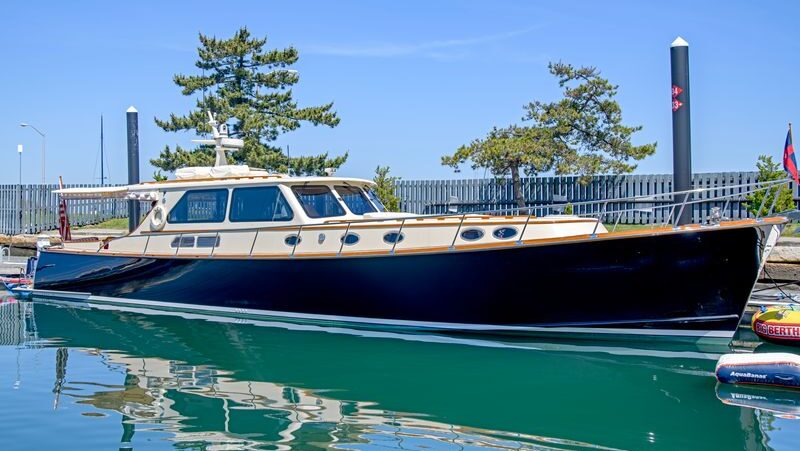
There are three ways to set your own course on the water: own your own yacht, take a cruise, or charter someone else’s yacht. All have their advantages and disadvantages.
Whether you are planning to purchase your first yacht or seeking an introductory, personally curated experience, there are a few rookie mistakes worth avoiding. One of the most common? Assuming Below Deck is an accurate guide to yacht culture.
Before setting sail, it is important to note a few etiquette tips that will ensure you have the best experience. First and foremost, crew members are experts in hospitality and know the vessel. They have spent years dedicated to maintaining exceptional craft. For many first-timers, the line between professionalism and friendship can easily blur, but it’s important to maintain respect and at least a semi-professional tone throughout the journey.
Yacht ownership: Anything substantial that allows you to live aboard comes at great expense: initial cost, maintenance, and staffing. However, there is pride of ownership, the freedom to have every aspect mirror your desires, plus the ability to roam the world at your leisure.


Cruises: All cruise experiences depend on how the line functions. A 3,000-person boat is not the same as a 200-person one. Assuming you find the cruise line that fits your needs and geographic plans, the step-on, step-off commitment is perfect for a carefree holiday. Of course, you have to follow their set voyage plan and hope some of your fellow passengers don’t dampen your enjoyment.
Chartering: Chartering involves leasing a yacht for a specific period in a designated location at a predetermined rate. With chartering, ownership and its financial and time commitment are eliminated. During the charter period, every activity is customized. The length of time in a port is up to you. The nature of the food, drink, and scheduling of all meals is flexible. The fellow passengers are your invited guests. No need to smile, befriend, or avoid another soul. You do have to interact with the crew, but they are hospitality professionals who are there to make sure everything goes well.
One question that may stump a first-time charter is tipping. How much, when, to whom? Understanding the unspoken rules of tipping ensures a seamless and gracious end to your charter without scrambling or second-guessing. Tipping should be at least 15% and individuals who have been particularly helpful should be tipped additionally. The captain is always given the tip money at the end of the charter to distribute to his crew.
For leading independent charter broker Emily Mack, “First-time clients come from all walks of life. Often, they find me on our website www.luxurychartergroup.com. Usually, they are referred by friends who have chartered with me. They are also guests of charters who are steered to me by crew.”

Extra effort is required to walk first-timers through the process. There are lots of contract details and insurance issues. Being under maritime law, they are different from those on land, and a specialist attorney is often engaged. There are costs that can be fixed and understood in advance, and some that are only determined after the charter is completed; for example, extra fuel due to additional stops. Emily assured Worth, “We put in the extra effort so the first-time charterer understands everything in advance, so that everything goes seamlessly.”
Sue Gearan a charter broker with her own boutique firm called Global Yacht Concierge, finds her clients are “People who love boating, love being on the water. They may want adventure travel, cool new experiences in must-see destinations, or just the fun of returning to a yacht and crew they have come to love.”
The above is only a partial list. Family bonding is also a fundamental driver for chartering. There are no other passengers to distract guests if only you and your family are on board, yet everyone has their own space to enjoy water sports or yoga, for example. Dietary and other lifestyle preferences are easily accommodated.
Young professionals charter to bond and foster more personal connections. And, as Emily explained, “We get a lot of busy executives and their partners who just want a break, to unplug and unwind. It can be off the grid anchored by a remote island… if that is what they want.”
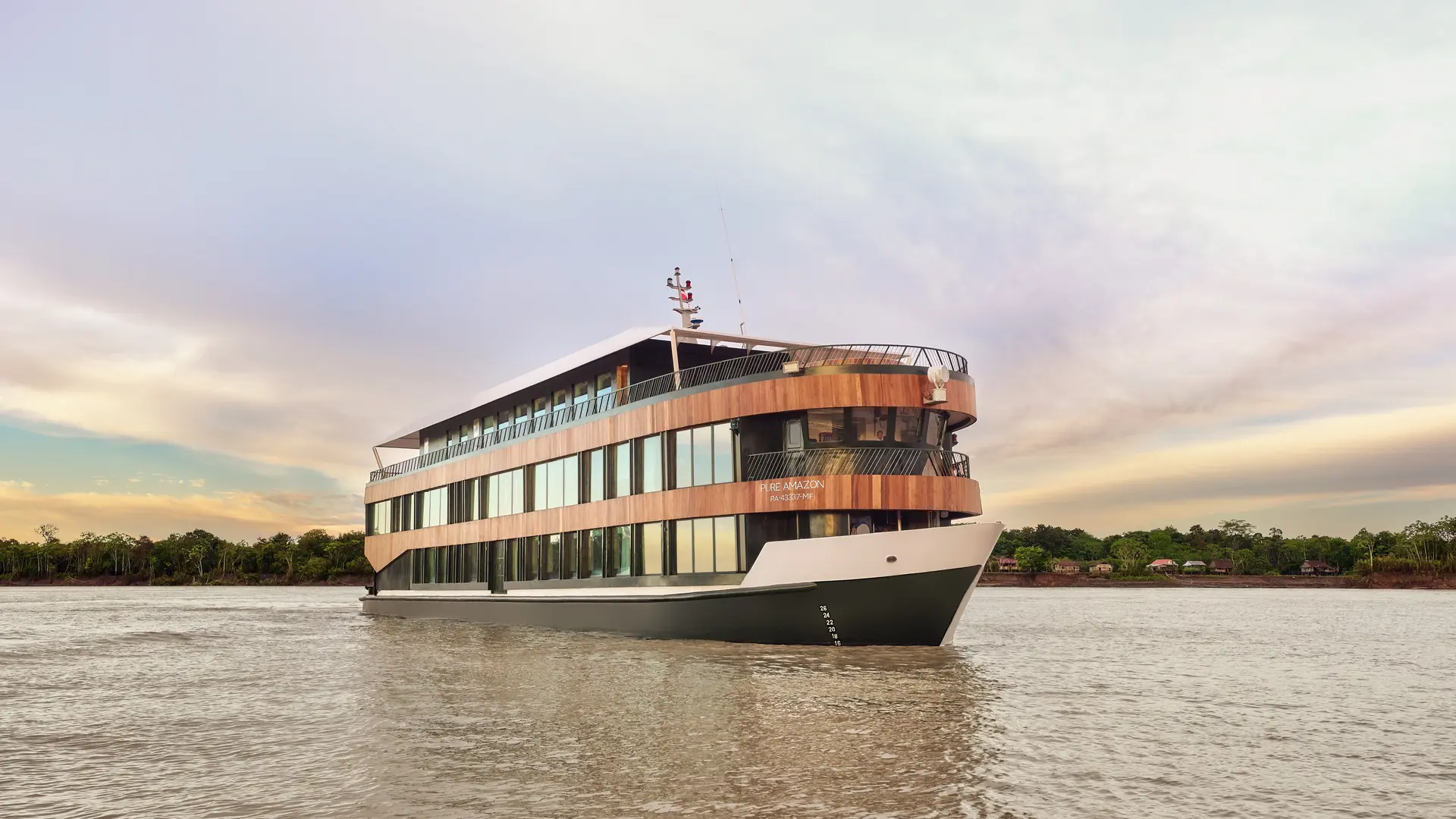
Size matters. Yacht charters can be almost anything in terms of size. There are 60-ft. catamarans in the Caribbean that can easily accommodate six guests managed by a crew of two. Then there are 180-ft. superyachts with a base fee of $1-2,000,000/week and a crew of 17. For insurance and registration reasons, most yachts are limited to 12 guests. Beyond that, a different set of maritime regulations apply. Sue added, “If there is a reasonable budget, we work hard to find a yacht that’s the right size and the right style, in the right location. We have a huge range in length and volume. Owners of all sizes are keen to charter. It defrays expenses and keeps the crews productive.”
Location, location, location is the golden rule for real estate, and it’s true for chartering too. The Mediterranean is different from New England, and neither is the Bahamas. It makes a huge difference if you know where you want to be. If you’re returning to a familiar place, like Santorini, but want to see it from a different perspective than a villa, chartering is an option. If you want to explore somewhere new, perhaps the coast of Maine, chartering is an ideal way to go. In the winter, Caribbean island-hopping charters are in full swing. New Year’s Eve from the deck of a yacht off Saint Barth’s is not to be missed.
When it comes to destinations, timeless favorites endure for a reason. Insiders know the must-hit spots—St. Barths, St. Tropez, or Portofino will never disappoint. But don’t underestimate the historical beauty that lies on the shores of New England or the understated Pacific Northwest; with thoughtful planning, there’s an ideal retreat for every kind of traveler.
For true bucket-listers, adventure charters are a great way to check the boxes. Both brokers have clients who want to visit Antarctica, Patagonia, Greenland, or the Pacific Islands like Bali or Bora Bora. Some of Emily’s clients “want to see the Amazon and the Galapagos with the flexibility and privacy that only a charter can accomplish.”

The path to the best charter experience is communication. Everything should be discussed in advance with the broker. Every detail, including dietary preferences, activity levels, and allergies, needs to be reviewed.
Another key point, especially for first-time charterers, is the itinerary. Cruise ships cover tremendous distances in a short time. They go from Rome to Athens in a few days. Charters don’t transit as quickly, but the experience can be more leisurely. Sue advised, “One of the reasons for a charter is the in-depth experience that can be had in the port of call. You don’t have to just walk around for a few hurried hours and then return to the ship for lunch or dinner.”
When planning a trip, a common mistake that can subtly derail the experience: inviting guests you’re not compatible with. Spending time in close quarters can determine who you are aligned with on the definition of a good time. Someone who listens to classical music and goes to sleep at 10:00pm won’t be happy with someone who listens to rap until 2am. An expensive charter is not the place to discover you and your guests are not harmonious!
Another key area is a bit more delicate—understanding the crew navigating the boat, serving you food and drink, plus managing all the toys aboard. There is an important spoken and unspoken etiquette with crew interactions that is crucial to a successful charter. Staff are there to enable a great voyage, but they are also maritime professionals, often with decades of experience. They need to be respected.

An interesting dynamic in the chartering world is the fluidity between being an owner and a charterer. Plenty of owners are ready to part with their yacht—but not the joy of yachting itself. For both Emily and Sue, this cohort charters frequently. In some cases, owners sell their yachts with the stipulation that the new buyer must charter the vessel back to them for several weeks—or even months—across multiple seasons. Conversely, many charter clients eventually make purchase offers on the very yachts they’ve come to know and love.
Then there’s the role of the broker. Every yacht charter is a one-of-a-kind experience—shaped by the vessel, the itinerary, the weather, the onboard personalities, and even the menu. In this world, “bespoke” isn’t a luxury—it’s the baseline. Unlike cruise ships, chartering isn’t a commodity. And unlike real estate brokers, charter brokers remain involved well after the contract is signed, ready to step in if anything goes awry.
Brokers quietly watch for a few subtle red flags in new clients—especially those who seem overly particular or uneasy about unfamiliar waters. Want to avoid falling into that category? Come in with a clear sense of what you’re looking for. And if you’re unsure, don’t bluff—just ask. Seasoned brokers have the discretion, insight, and resources to tailor the experience precisely to your needs.
Repeat clients make up to 75% of their business. Some have been with them for so long that their children are now clients.
The world of charterers and brokers is an intimate affair requiring a high level of service to assure a magical time afloat.