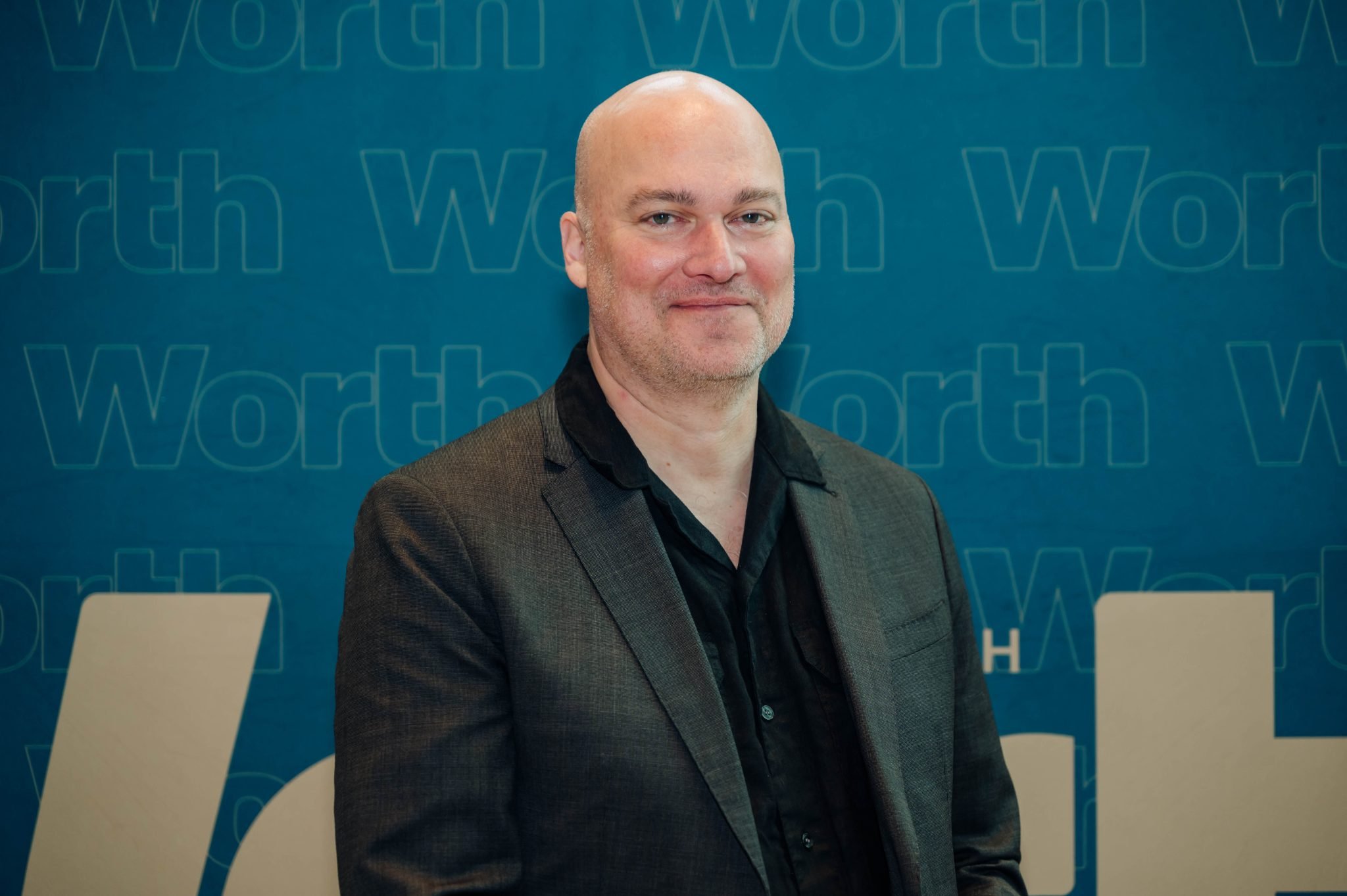
At the Milken Global Conference in Los Angeles, where capital meets ideas, few attendees navigate the terrain with more clarity than Cate Ambrose, CEO of the Global Private Capital Association (GPCA). With over a decade of Milken experience under her belt, Ambrose has watched the conference—and the investment landscape—evolve into an increasingly international forum for innovation and growth.
GPCA, initially founded by the private sector arm of the World Bank as the Emerging Markets Private Equity Association, recently underwent a pivotal rebranding. “We don’t use the term ‘emerging markets’ anymore,” Ambrose said. “It’s been over 40 years since that terminology emerged, and we’re living in a world where there’s incredible wealth, success, and innovation in so many different places.”

The GPCA’s mission reflects that global shift. Its board includes senior executives from General Atlantic, KKR, and Canada Pension Plan Investments, alongside leading managers from India, Africa, Latin America, and the Middle East. The aim? To connect institutional and fund investors with opportunity-rich regions often overlooked by traditional capital flows.
Ambrose is blunt about why U.S. investors can no longer afford to ignore international markets: “The U.S. is so far behind the rest of the world in really important areas. FinTech, for example, the U.S. is at the tail end globally of digital payments.” In contrast, Brazil’s Nubank, now valued at over $56 billion, has become the world’s largest digital bank. Its success and Warren Buffet’s pre-IPO investment, underscore how innovation often emerges from markets where legacy systems are less entrenched.
Infrastructure tells a similar story. “We are at the tail end globally,” Ambrose noted. “We just have our legacy infrastructure, and what’s being built elsewhere leapfrogs what exists in the U.S.” From digital banks in Brazil to $5 billion gaming startups in Turkey, she says the opportunity frontier has shifted decisively outward.
The same global momentum applies to public markets. “India was, by far, the most active public market in 2024,” she said. “There were 337 IPOs on Indian exchanges. India isn’t waiting for capital to flow in—they have a domestic market with deep opportunity to exit private equity-backed companies.”
That global dynamism extends to family offices, a key Worth audience. “The U.S. has produced over 2,000 billionaires in the last 20 years, but so have India, China, and Latin America,” Ambrose said. She’s seeing a generational shift: “The sons and daughters of the wealthiest people in the world are thinking differently. They want to have an impact on climate, promote innovation in their own markets, and do something that’s mission-driven.”
From Riyadh to Santiago, Ambrose is meeting next-generation leaders like Cristobal Piñera, the son of Chile’s former president, who is investing in venture funds to build local ecosystems. “We need to reset our minds around where risk lies and where opportunities are,” she said. “The wealth exists. The innovation is happening. And the future of capital is already global.”
Watch our full interview below.