
AGING
Thinking Differently About Aging
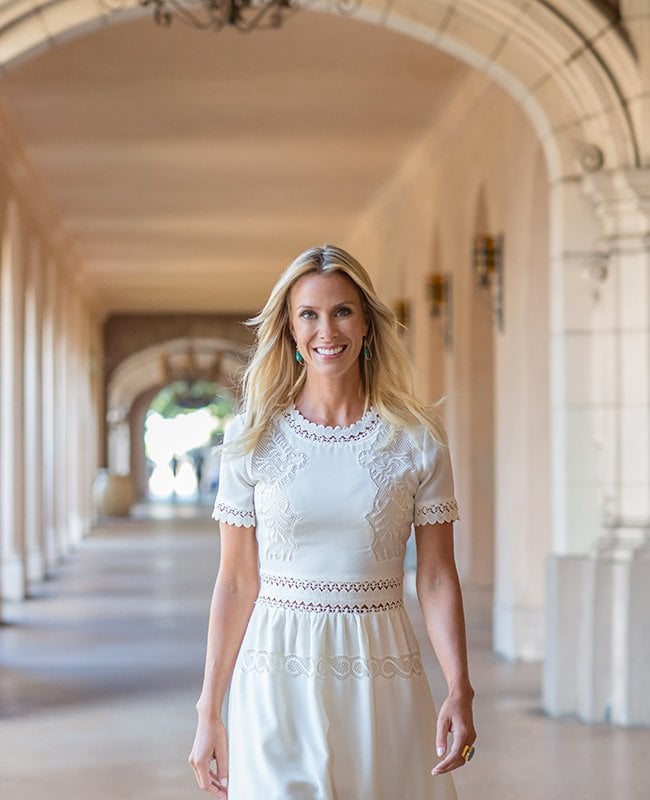
» “Our nation will undergo one of the biggest demographic shifts in history with a growing aging population. In the coming years, we will think differently to provide seniors with seamless care coordination of medical and social services such as housing, dental care, nutrition and caregiver support. We must leverage technology to bring care to where seniors are—in their communities or in their homes.” —Shelley Lyford, CEO and president, West Health
FINANCE
More Giving
» “There’s going to be a democratization of philanthropy. It has to do with the disappointments of millennials’ formative years: Enron, the burst of the tech bubble, the great recession. Young people see inequity around the globe. It’s important for them to have a purpose. Combine that with advances in tech, which makes it easy to give, and you’ll see the mass affluent giving more and more.

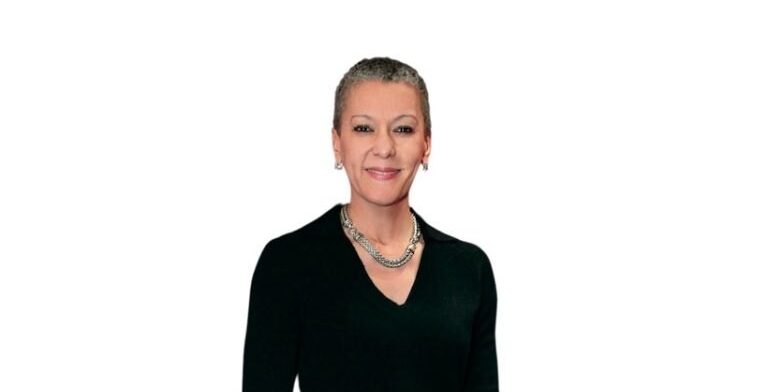
“Meanwhile, financial advice will be transformed by technology. Traditional advisors will continue to incorporate robo elements, combined with the human touch. At Schwab, our goal is to modernize wealth management, so clients think about their entire picture, not just portfolio balancing. That includes insurance, estate planning, kids’ education—and purpose. The point is, how do you make the most of your money?” —Carrie Schwab-Pomerantz, senior VP, Charles Schwab & Co.; board chair and president, Charles Schwab Foundation; board chair, Schwab Charitable
SOCIETY
A Broader Circle
» “Social capital is defined as not only networks but also the ability to interact in those networks and use them effectively to a specific end goal. People are rising up and saying, ‘I not only do not have the access, but I don’t even know how to get the access to become elite and be successful.’ Having a purely individualistic pursuit has gotten us into this incredible inequality. The response is a move toward a community-oriented perspective.
“I see a clear move to understanding that we’re only successful if we ensure that a larger percentage of our populous has equal opportunity. And equal opportunity is predicated on having social capital. So, 25 years from now I see an understanding that we must help the ones most in need. That understanding is the ability of social capital to provide more opportunity for everyone.” —Rajiv Vinnakota, executive VP, Youth and Engagement division, The Aspen Institute
Luxury
Digital Outreach
» “As online sales grow, more luxury brands will invest in digital, and luxury goods will become increasingly available to a much wider audience on a 24/7 basis. This new reality will affect the traditional perception of luxury goods being exclusive and inaccessible.” —Anat Keinan, associate professor, Harvard Business School
the environment
Climate Change Investing
» “Climate change is going to get worse before it gets better, and 25 years probably is not enough time for us to have begun to make it better. Earth will be hotter, with weather extremes exceeding those of today, sea levels will be up and water will be valued as one of the primary traded commodities in the world. This will drive desire to invest in solutions to these risks and greatly expand sustainability-focused impact investing—so much so that major indices and mainstream investing will almost by default in 2042 look like what today we call impact. By then, wind and solar will be producing so much of the global economy’s energy that current predictions for then (or even 2050) will seem quaint.” —Garvin Jabusch, cofounder and CIO, Green Alpha Advisors

Health
Adding A New Dimension
» “Right now medicine is still stuck in a three-dimensional world. But you’ve got to think in four dimensions. We don’t have a time domain, which means looking at diagnostics, say a blood pressure reading, over extended periods of time. If we get scientists to think in terms of system dynamics, like every other field of engineering, in the next 25 years you’re going to see a dramatic improvement in health.” —Joon Yun, managing partner and president, Palo Alto Investors
“The most exciting change that’s happening is in the world of artificial intelligence and robotics. What we’re seeing now is the early infancy of it.” —Wesley Chan
TECHNOLOGY
Artificial Intelligence Takes Off
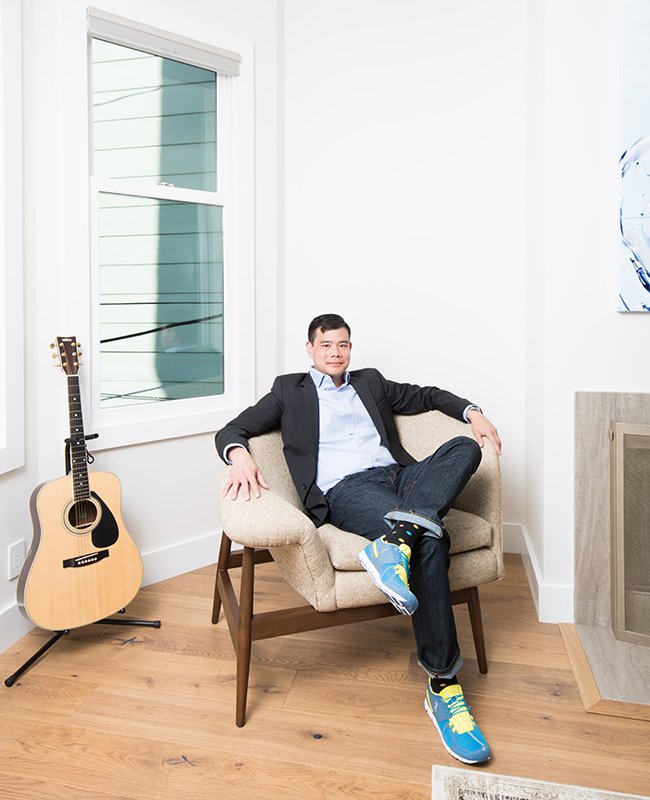
» “I think the most exciting change that’s happening is in the world of artificial intelligence and robotics. What we’re seeing now is the early infancy of it: Google brought the first generation of machines that infer what you want and then help you find results on the web; the second generation is assistants on mobile phones that use your voice to help you understand and find things in the moment; the third generation of it you’re starting to see with Amazon and the Echo speakers—it’s predicting exactly what you need, but without an awkward interface. That awkward interface is what’s yet to be solved, but I think within 25 years we’ll start seeing these things built into cars, coffee machines, refrigerators—distributed artificial intelligence, where everything is a gateway into some supercomputer that can help you understand and find things, will be ubiquitous.” —Wesley Chan, managing director, Felicis Ventures; founder, Google Analytics and Google Voice
COLLEGE
Broadening How Students Are Evaluated
» “Colleges are increasingly dissatisfied with some of the ‘star’ students with credentials that appear impressive. But the emotional qualities of these top-performing students are beyond disappointing. We have been too reliant on SAT/ACT scores and reluctant to vary from this model due to an excessive concern over ratings in guidebooks that overuse test score results and admit-rate results.
“So the most selective colleges will modify their selection process to include more EQ [emotional intelligence] and CQ [cultural intelligence] to improve the outcomes of students in their college performance and their success after college.” —Don Bishop, associate VP of undergraduate enrollment, University of Notre Dame
estate planning
Separate From Politics
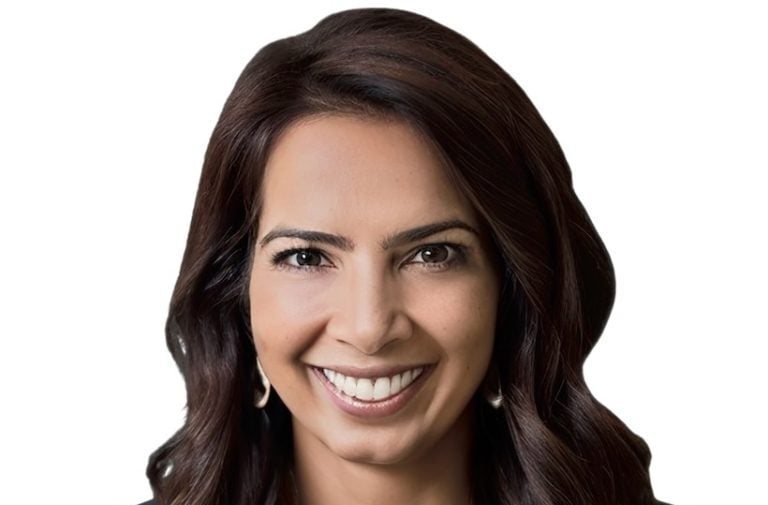
» “People will still need to revisit their estate plan. And it won’t matter who’s president or whether the estate tax is repealed. This tax has been repealed or amended more than 40 times—you shouldn’t base your estate tax plan on the directives of the current president.” —Matt Russo, managing partner, Northwestern Mutual
media
Creating Connections
» “I expect the single biggest shift over the next quarter century to be the integration of media across platforms [broadcast, digital, social and events]. Looking to the future, we think consumers and advertisers will demand that [integration] from all media companies.
“I also see an increased demand for companionship in an era of enormous fragmentation brought about by technology. Radio offers that companionship and is increasingly looked to for that companionship in new and different ways. Other media will begin chasing the companionship attribute as well.” —Bob Pittman, chairman and CEO, iHeartMedia
human evolution
Transformational Change
» “Today’s extraordinary rate of exponential technological growth may do much more than just disrupt industries; it may actually give birth to a new species—reinventing humanity—over the next 30 years. I believe we’re rapidly heading towards a human-scale transformation, the next evolutionary step into what I call a ‘meta-intelligence,’ a future in which we are all highly connected—brain to brain via the cloud—sharing thoughts, knowledge and actions.” —Peter Diamandis, executive chairman, XPrize Foundation
wealth management
A Holistic Approach
» “Years ago, wealth management was essentially executing trades—smiling and dialing. You were buying stocks and some bonds. The world is much more complicated today. Wealth managers need to address everything from life insurance to estate planning to liability management to philanthropy. The new approach—which is all about goals-based planning—demands a team effort, a holistic approach. This shift will only intensify going forward. Some of the next things we’ll need to be expert on: health savings accounts, trusts and accounts that address the needs of the special-needs person. It’s about being a thought leader instead of a data inputter.” —Jeffrey S. Gerson, executive director, Gerson Guarino & Meisel Group at Morgan Stanley Wealth Management
“Trust is the currency of our generation. Food will move to become more trusted by being fresh, organic and local.” —Kimbal Musk
food
A Focus On Real Food
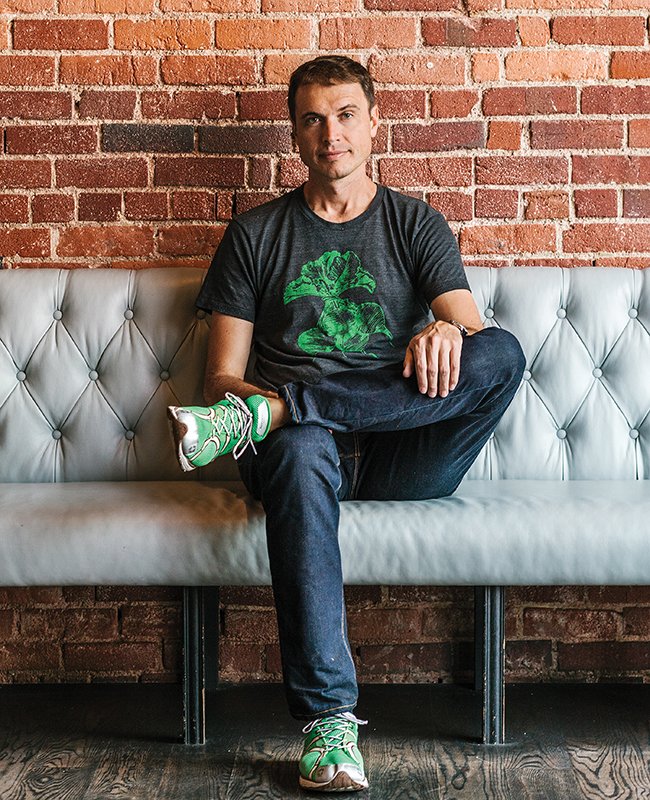
» “Trust is the currency of our generation. Food will move to become more trusted by being fresh, organic and local. Farmers will move away from ethanol and animal feed, as the market for real food explodes.” —Kimbal Musk, cofounder, The Kitchen
health
Making Disease Obsolete
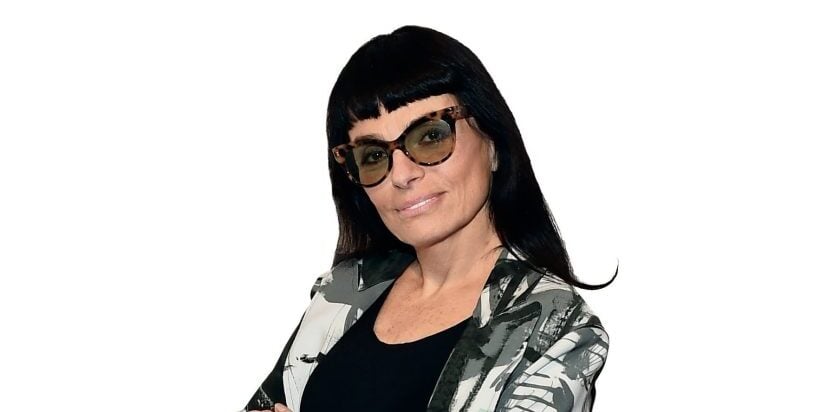
» “The next decade will be focused on cures for various maladies and infections rather than Band-Aids and chronic lifetime treatments. For example, HCV [hepatitis C] has been transformed from a disease with poor treatment options to one that is curable in a very high percentage of patients by taking oral medication for 12 weeks or less. So, shorter curative therapies with limited or no side effects will be the new wave. Immunotherapy coupled with small molecules will transform our approach to cancer and other severe diseases. And if the last decade was about DNA, this coming decade will be about RNA and proteomics. Monitoring individuals’ health and the earliest possible detection of disease will empower them to maintain their state of health, wellness and thus improve their quality of life. I am a fan of [computer scientist] Alan Kay, who said, ‘The best way to predict the future is to invent it.’” —Raymond F. Schinazi, founder, Cocrystal Pharma, Pharmasset, Idenix and cofounder, Triangle Pharmaceuticals; professor, Emory University
Restaurants
More Meaningful As Tech Rises
» “There will always be a deep human need for connection and for places to gather. Restaurants fill that need in a way that can never be replaced. We’ll need to meet people wherever they are. I believe my children will never have to wait on lines in years to come, and information, access, products and experiences will need to be built at their doorstep, or be ready when they come to ours. Human interaction will never go away and in fact will be needed more than ever as AI and our devices rule our life and predict our movements.” —Randy Garutti, CEO, Shake Shack
wealth management
Advisors Will Need To Adapt
» “The changes occurring now in wealth management will only accelerate. There is significant pressure on fees, technology and innovative investment strategy. Many advisors will become commoditized and marginalized in the next five years, let alone in 25 years.
“There will be several significant changes by 2042. Not only will one have to be able to manage traditional currency, but crypto-currency will play a much larger role. Artificial intelligence will be making most of the investment decisions. There will be $30 trillion in wealth assets in North America transferred from older generations to millennials, according to projections from the Bank of America. The investment patterns of millennials will be far different than their parents.
Investment advisors need to embrace these changes and operate their businesses in environments where they can continually and quickly evolve their services.” —Timothy E. Flatley, founder and president, Sterling Investment Advisors

Aviation
Increasing Automation
» “Once we all get comfortable with driverless cars, we’re going to see the number of pilots in an aircraft decline. I always kid—I say, ‘25 years from now, there will be no pilots, it’ll be computer engineers that will oversee the cockpit, and there will be a big sign in front of them: Don’t touch anything.’ When you look at what causes accidents, it’s the operator in many cases. And the more automation you get, the safer you get.” —Kenn Ricci, principal, Directional Aviation Capital
Luxury
Getting Personal
» “Affluent consumers, particularly younger ones, are increasingly demanding more personalized services and experiences. It isn’t about conspicuous consumption; there’s a growing focus on bespoke, premium travel experiences. Additionally, how consumers want to interact with brands is changing. Not only do they want a personalized feel, but quite often they want that personalization in real time and through a digital device.” —YC Koh, president, American Express Asia
“Probably the biggest change will be how we watch games, whether we’re inside or outside an arena.” —Sheila Johnson
sports
Viewers in Charge
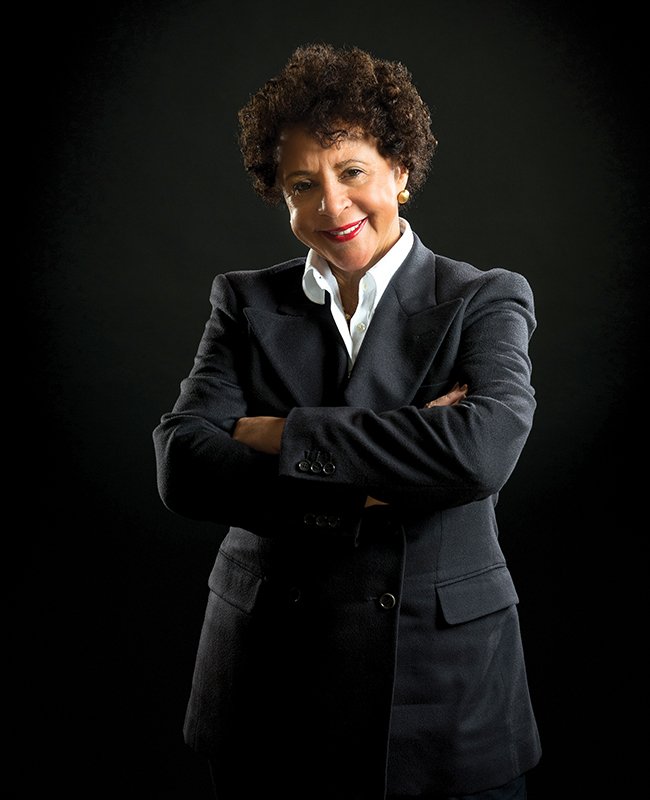
» “Probably the biggest change will be how we watch games, whether we’re inside or outside an arena. There will be more interactive devices where viewers can run their own replays, decide what camera angle they watch, etc. It will be like directing their own production. We already have arenas and stadiums starting to introduce more interaction at your seat. Stadiums and arenas are being built a little smaller and more intimate, and we may be pricing out certain income groups from in-person attendance. Those fans will be reached through video devices.” —Sheila Johnson, vice chairman, Monumental Sports & Entertainment; CEO, Salamander Hotels & Resorts
hospitality
Knowing Customers
» “Technology will allow us to learn more about our guests’ wants and needs prior to their arrival so that we can tailor experiences to fit their individual needs. Knowledge is power, and with enough information and time, I can see luxury hotels being able to deliver more meaningful, personalized experiences for more guests than ever before.” —Mark Simon, director of marketing, Four Seasons Resort Maui at Wailea
Vacations
Moving Beyond Comfort Zones
» “More people will recognize the importance of taking vacations and seeing the world. They will be more inspired to move out of their comfort zones, and will be willing to spend more of their money on travel experiences versus material objects. As more outbound travel leaves the U.S. for exotic locations, more inbound traffic will arrive here from other parts of the world.” —Ken Potrock, senior VP and general manager, Disney Vacation Club

wealth management
Enhanced Robo Advisors
» “There’s going to be refinement and enhancement of the robo advice model through artificial intelligence, where a lot of the traditional roles of advisors are taken over by computers: asset allocation, manager selection, fund selection, etc. The advisor of tomorrow who wants to win will need to be able to take a very sophisticated approach that considers a client’s whole picture, from taxes to business to legacy planning. Advisors will need to provide high-value, comprehensive strategies.” —Bill Loftus, founding partner, Coastal Bridge Advisors
Gold
On The Rise
» “Though it would be classic for gold to hit a final five-year low, even into the $900s, to shake out the weak hands, for a variety of reasons the next really big move is up, well beyond the all-time highs of $1,900.” —Thomas Kaplan, chairman and chief investment officer, The Electrum Group
entertainment
A Focus On Emotional Connection
» “Entertainment is emotional transportation. We’re all analogue; we’re not digital. As such, anything that’s trying to engage us has to be aimed at the heart. Because it’s entertainment, the real hits will not be aimed at the wallet or the head. They may migrate there and create economic reward, but they’ll be aimed at the heart.
“How do we make that emotional connection? Technology shortens the distance and accelerates the time between artist and audience. All the technology that is allowing us to connect with hearts and audiences is moving at light speed. The change that happens not in 25 or 50 years, but in 10 years, will be indistinguishable from magic: Those audiences
that before were not reachable are easily reachable.” —Peter Guber, chairman and CEO, Mandalay Entertainment
cities
Focusing On Character
» “We’ve seen the homogenization of America’s cities over the last 10 to 15 years. I hope and think that cities will protect their unique characters. The smart cities will. To compete, you have to offer something different. Finding a niche and enhancing it is the piece that separates some cities from the masses.
“For example, Atlanta is defining itself differently after years of just being the biggest city in the South, and they’re doing it with sports. Through investment in their stadiums and convention center and chasing the college football championship, Super Bowl and other big events, they’ve carved out a new look and feel. I think if they keep moving in that direction, they’ll be as strong as anybody.” —Butch Spyridon, president, the Nashville Convention & Visitors Corp.