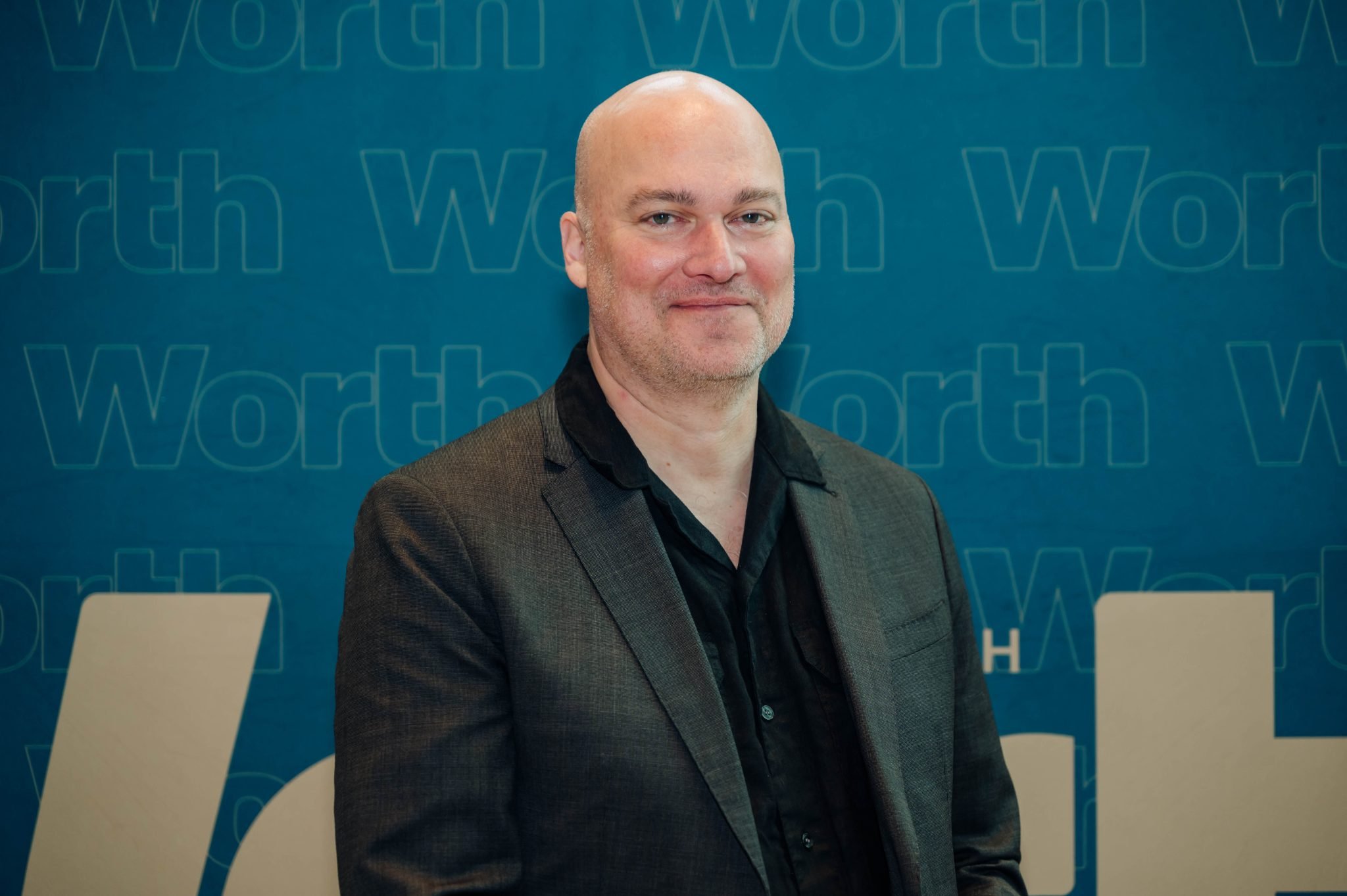
At the Milken Institute Global Conference, I had the opportunity to catch up with Dan Buettner, a National Geographic explorer, best-selling author, and founder of Blue Zones—a global initiative that has revolutionized the way we think about longevity and healthy aging.
If you haven’t read Buettner’s work, here’s the premise: only 20% of your lifespan is determined by genetics. The remaining 80%? That’s shaped by environment and behavior. Buettner and his team identified five places around the world where people consistently live longer, healthier lives: Okinawa (Japan), Sardinia (Italy), Ikaria (Greece), the Nicoya Peninsula (Costa Rica), and Loma Linda (California).

These regions, now called the Blue Zones, don’t rely on high-tech medicine or radical diets. Instead, they offer a masterclass in environmental design. “They live in environments where their unconscious behavior is slightly better every day for decades,” Buettner said. “That’s the big idea.”
The Longevity Blueprint: Design, Don’t Discipline
While corporate wellness programs and fitness apps focus on individual motivation, Buettner emphasizes the power of structural nudges. In Blue Zones, movement is an integral part of daily life—residents walk to friends’ homes, grow their food, and live in homes without modern labor-saving devices. These small, habit-forming activities, repeated over decades, are what lead to meaningful healthspan gains.
“Exercise as a public health initiative has failed in America,” he noted. “Only a quarter of Americans get 20 minutes of activity a day. The people in Blue Zones don’t exercise; they move naturally.”
Through the Blue Zones Project, Buettner works directly with city governments, developers, and business leaders to transform communities. The initiative helps municipalities adopt policies that promote walkability, ban junk food advertising, and prioritize public spaces over car traffic.
One data point Buettner shared: neighborhoods without billboard advertising (usually for fast food, alcohol, and soda) have 15% lower average BMI than those with similar demographics and visible billboards.
Buettner also sees massive opportunity in corporate longevity strategies. Employers can incentivize healthier behavior without relying on gym memberships or wellness challenges. In his own company, Buettner eliminated parking reimbursements and instead paid employees who biked, walked, or took public transportation. “It cost less than gym memberships and added 4,000 to 5,000 steps to their day.”
Why the Wealthy Should Pay Attention
For high-net-worth individuals, longevity is a top concern. But Buettner’s research offers a counterintuitive insight: the path to a longer life isn’t through luxury clinics or expensive supplements—it’s through small, structural changes to everyday life. And the most powerful interventions are often made at the urban planning or corporate policy level, not in the doctor’s office.
“The real solution isn’t in a pill,” Buettner said. “It’s in how we build our homes, design our cities, and structure our days.”
As longevity investing gains momentum—and city governments and developers begin thinking about “healthspan infrastructure”—Buettner’s work offers a data-driven roadmap for healthier, longer living at scale.
Watch our full conversation below.
This story was originally published May of 2025 and has been updated for continued relevance.