The watch industry has long been, and continues to be, a man’s world. In 2024, the non-profit organization Watch Femme co-authored a landmark report with Deloitte, which found that while 43% of the Swiss watchmaking workforce is made up of women, the majority remain at the bench level, not the boardroom.

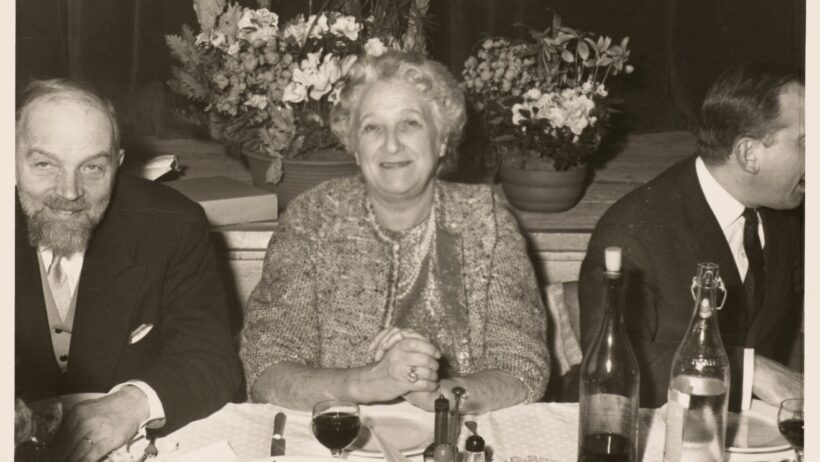
In the history of modern watchmaking spanning over a century, only 10 women have held the title of CEO. The first Swiss woman to do so was Betty Fiechter, who became the CEO and co-owner of Blancpain in 1933.
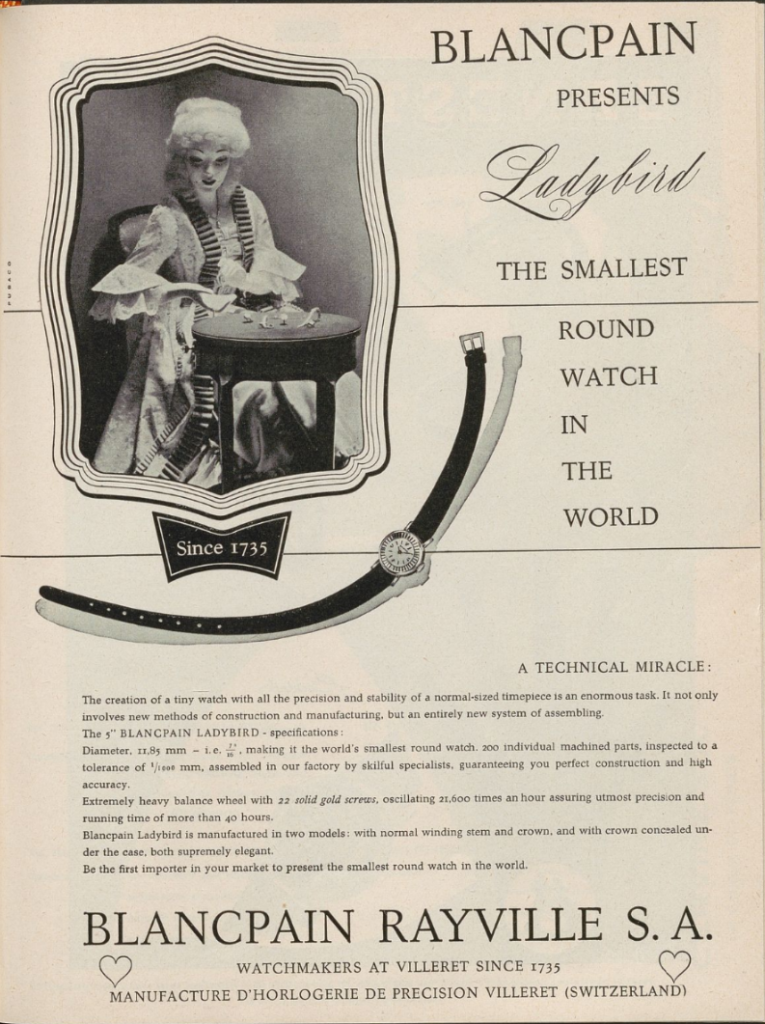
In her three decades at the helm of Blancpain, Fiechter created an enduring legacy that forged a path for other women to carve out their place in the male-dominated watchmaking industry and left a lasting impact on both the evolution of women’s watches and the mastery of miniaturization in mechanical movements. Today, Blancpain perpetuates this legacy on the monumental 70th anniversary of one of Fiechter’s most memorable and enduring designs: the Ladybird. At its debut in 1956, the Ladybird introduced the world’s smallest round mechanical movement to be manufactured in serial production in what would become Blancpain’s signature ladies’ line. Now, its story continues with a new chapter, the contemporary evolution of Fiechter’s original vision.

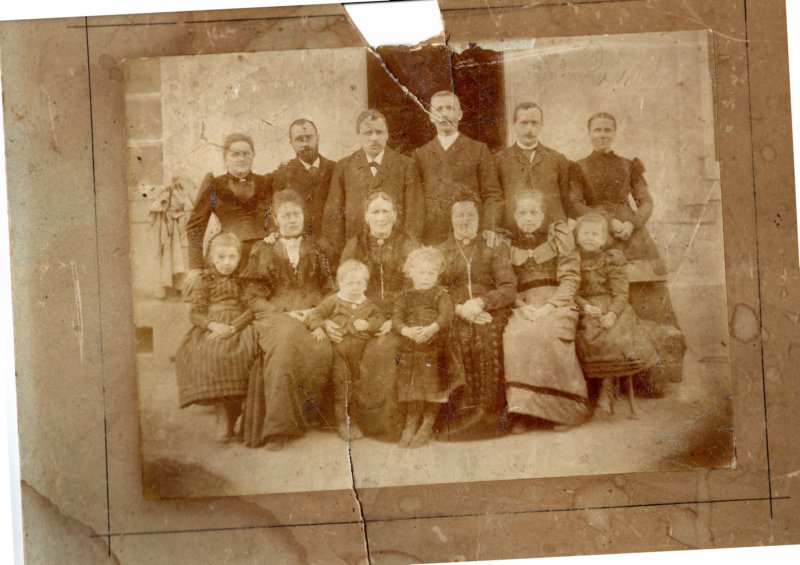
Fiechter’s origin story is a familiar one for many men who have risen in the ranks of the watchmaking industry. She came from a horological background, with her father owning a watch movement company. Following in his footsteps, she entered an apprenticeship in 1912 when she was just 16 years old with a brand called Blancpain, whose workshop was situated in her hometown of Villeret in the Swiss Jura mountains, the heart of watchmaking. Blancpain is a brand of significant stature in the span of horological history, standing as the oldest watch brand in the world, founded in 1735. When Fiechter first entered the company, it was in its seventh generation of family leadership, and she soon began to work closely with Frederic-Emile Blancpain, who had the massive undertaking of carrying on his family’s legacy at the time. He saw something special in Fiechter and took her under his wing as his protégé. The two developed a distinct rapport, with Blancpain ultimately trusting Fiechter enough to oversee the brand’s manufacturing operations while he was at his home in Lausanne, about 60 miles away from the Maison’s headquarters.
Two decades later, Blancpain passed away, and when his only remaining heir, his daughter, did not want to carry on the family business, the fate of the company became uncertain for the first time in its monumental 200-year history. With no family successor willing to take over the business, Fiechter and the brand’s commercial director Andre Leal decided to take a bold gamble. They secured loans from several lenders and acquired the Manufacture in 1933. Then, Fiechter officially became co-owner and CEO of Blancpain.

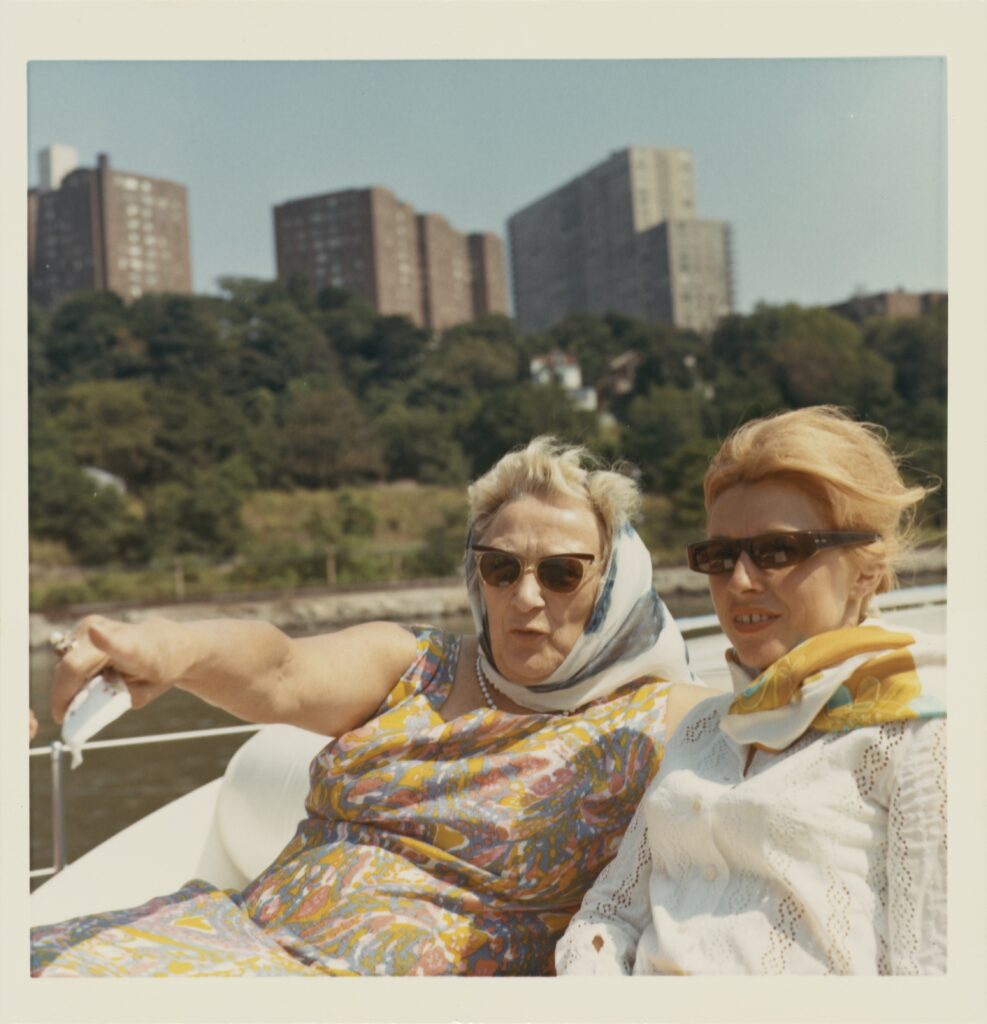
Aside from the internal shifts the brand was facing with changes in ownership and leadership, this was an incredibly challenging period between the Great Depression and the onset of the Second World War. Then, in 1939, Fiechter’s partner Leal died suddenly, and she found herself alone at the helm of the company of more than 200 employees. Fiechter’s first act as the first female CEO of a Swiss watch brand was to usher the company through wartime. She did so with fortitude and grace, setting her sights on strengthening Blancpain’s international presence, particularly in the American market. Soon, she realized this initial goal, and the Maison became a leading supplier of movements to major American horological houses like Gruen, Lucien Piccard, Elgin, and Hamilton.
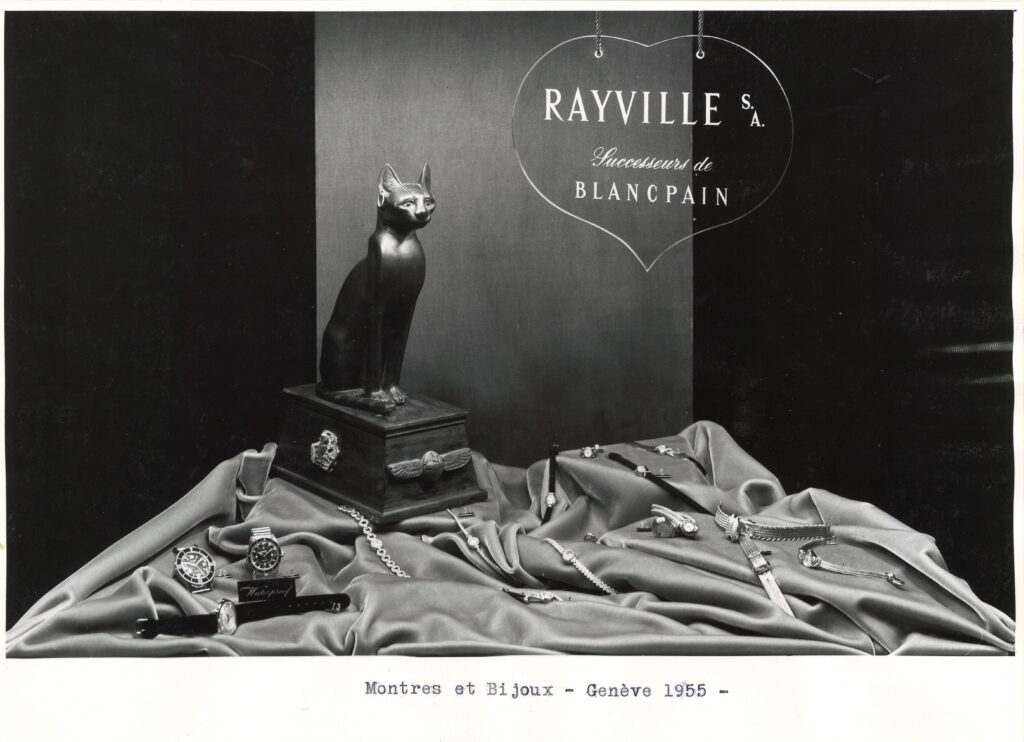
Another area where Fiechter demonstrated particular insight was in developing watches for women. Well ahead of her time, she understood that ladies’ timepieces merited the same ingenuity and mechanical integrity as any other watch—a belief that many watchmakers have still yet to adopt today, many decades later. She set out to make women’s offerings yet another one of Blancpain’s defining strengths, but as she was getting older, she could not do it alone. In 1950, her nephew Jean-Jacques Fiechter joined her, and over the next two decades, the pair would shape the trajectory of the brand. Together, they gave rise to two collections that continue to define Blancpain today: the Fifty Fathoms, first introduced in 1953, and, of course, the Ladybird, first introduced in 1956.
Thanks to its rugged masculinity, the Fifty Fathoms has gone on to solidify its place in horological history for Blancpain and the industry as a whole. The collection introduced one of the world’s first professional dive watches and has gone on to serve as the blueprint for the modern dive watch with details like a rotating bezel, double O-ring crown for water resistance, and high-contrast details for legibility. However, Blancpain’s Ladybird collection has also set the standard for both design and technical excellence in women’s watches.
Fiechter’s ambition behind the Ladybird was bold—for the design, she wanted to create the world’s smallest round mechanical movement, and she wanted it to be able to be manufactured in a serial production. The result was a feat of industrialization and mechanical miniaturization measuring just 11.85mm thanks to two key innovations. The first was the addition of a fifth wheel to the gear train. A conventional mechanical movement has four, from the barrel to the seconds wheel. Fiechter’s solution was to add an additional one, controlling the force reaching the escapement and reducing the caliber’s overall dimensions. The second was the inclusion of shock protection for the balance wheel—an element that most very small movements omitted, to their detriment in durability. Blancpain found a way to adapt these protections to the micro-dimensions of the Ladybird caliber, producing a movement that was both remarkably small (barely the size of a fingertip) and genuinely robust, unlike other small calibers of the time.
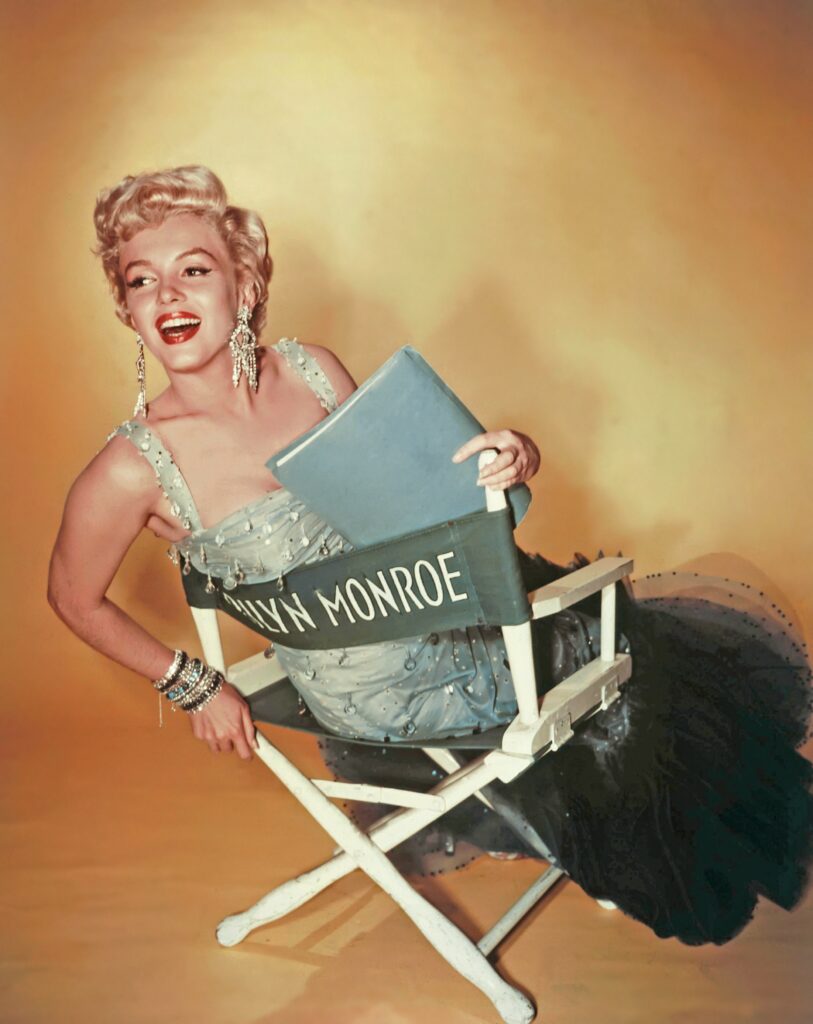
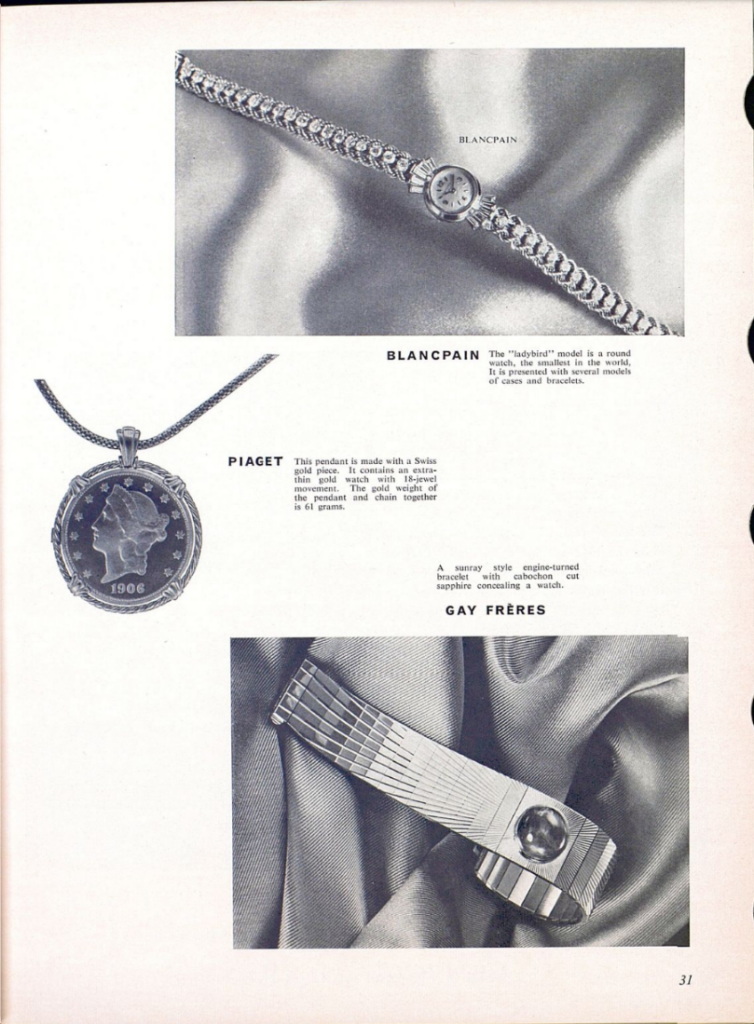
With the Ladybird caliber as a strong foundation, Blancpain was able to take full creative license with the design of the Ladybird models. Over the years, the line has spanned a vast range from straightforward, everyday designs on a simple leather strap to more elaborate high-jewelry versions set with gemstones and diamonds. One of the most famous collectors to adorn the Ladybird was the legendary Marilyn Monroe, who unsurprisingly opted for one of the more opulent diamond-set versions of the design.
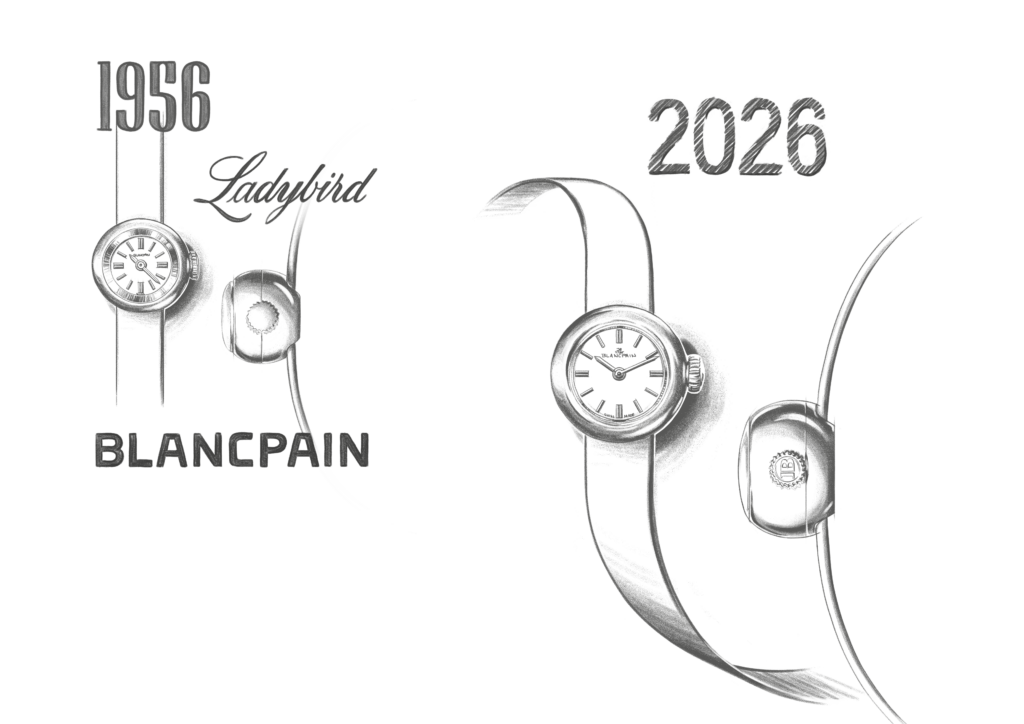
Today, we continue to see the versatility and endless possibilities of the Ladybird thanks to the timelessness of Fiechter’s original design language and the ingenuity of the movement that powers it. Blancpain brings the Ladybird into the modern era with subtle updates that allow the collection to be just as relevant to the next generation of collectors while maintaining the integrity of the original. Some watches commemorate history, and others continue it. The new evolution of the Ladybird is fresh and effortless yet still timeless in a way that perpetuates Fiechter’s vision from 70 years ago.
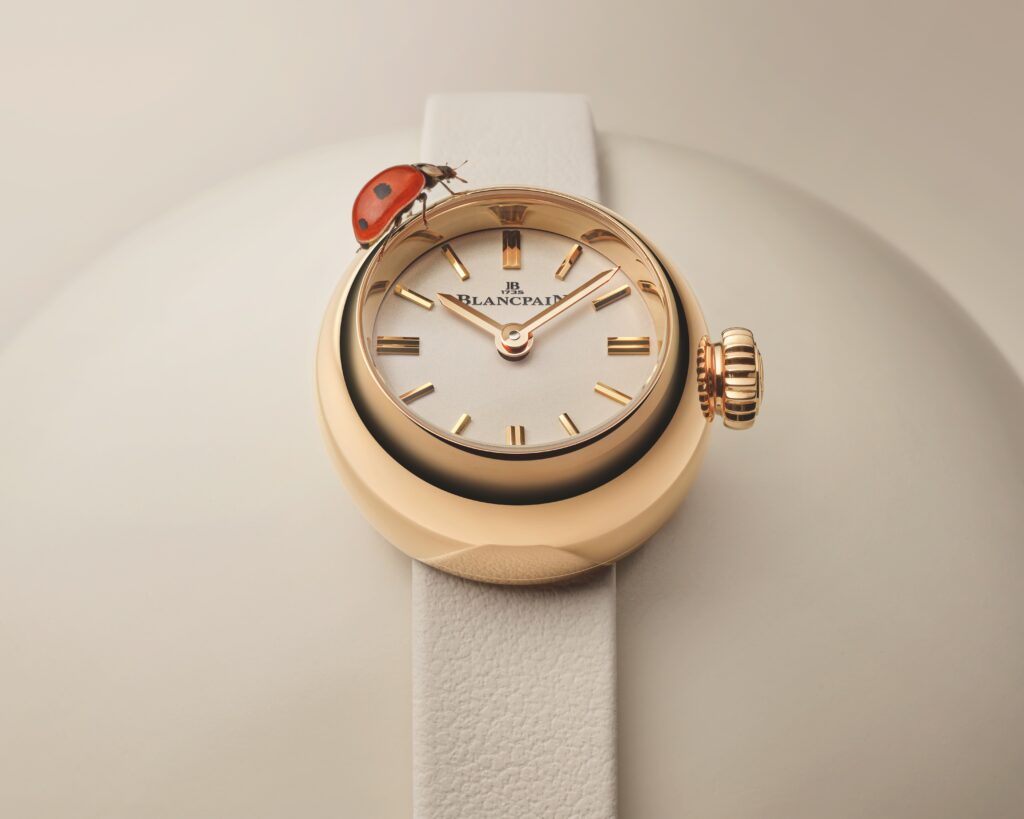
This is not a reissue. It is the contemporary reinterpretation of a simple and radical idea born in 1956: to fit fine mechanical watchmaking into an object the size of a jewel. This vision guided the entire development of the watch. Its architecture was built around Blancpain’s automatic caliber 615, whose technical specifications were embraced from the very beginning of the project. This manufacture movement is made up of 180 components and yet measures just 15.70mm in diameter and 3.90mm in thickness. Although the caliber 615 remains behind a closed caseback, it is not just a functional component powering the watch. It has received the same meticulous attention to detail and upholds watchmaking traditions with finishings like plates decorated with Cotes de Geneve.
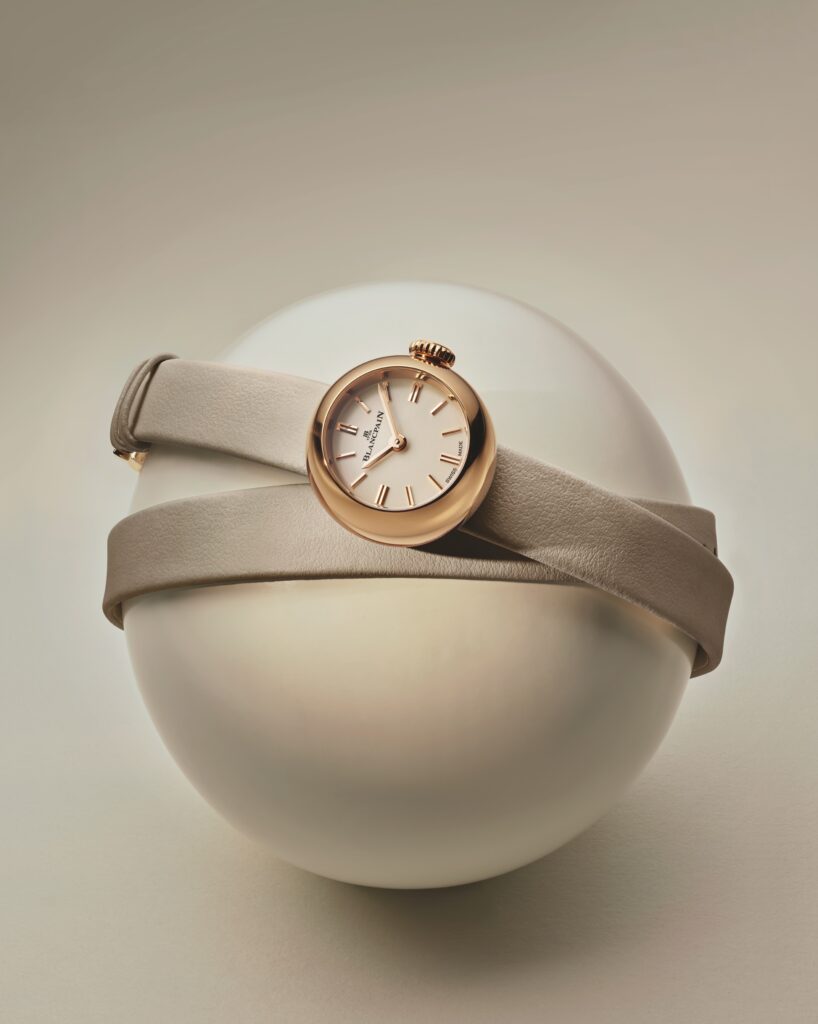
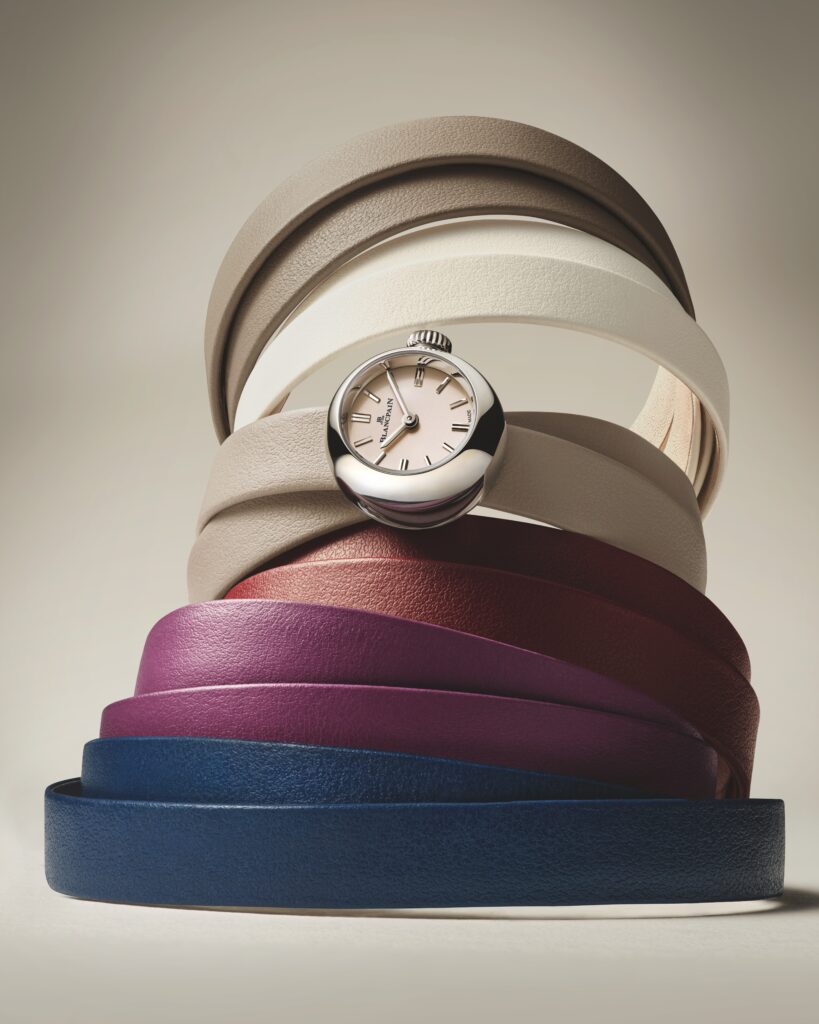
Built from the inside out, form follows function with the new collection. The case, sapphire crystal, polished rehaut, integrated pass-through strap, and water resistance were all developed in parallel to accommodate the movement within an unprecedented spherical configuration that took over thirty technical drawings to bring to life. The unique result is not quite a traditional round watch nor a shaped watch, and its distinctive qualities extend from the case to the bracelet loop, which is integrated and passes directly through the case, with no lugs or visible attachment. Conceived in volume rather than surface, the design is a mechanical bubble. While watches are traditionally defined by their diameter, this model is defined by its volume: 2.90 cubic centimeters. This three-dimensional measurement is highly unusual in watchmaking. While it presented new challenges from construction to decoration, it still maintains a high level of hand-finishing with a combination of perfectly continuous polishing, satin-finishing, and micro-blasting across the small spherical surface. Altogether, these are defining features that set this model apart as more than just a watch. It’s a design object, a jewel, a sculptural piece of art for the wrist, and still, at its core, a timepiece.
Yet, the Ladybird and its new, contemporary counterpoint alongside the iconic Fifty Fathoms are not the only elements Betty Fiechter leaves in her legacy. In the decades following the initial debut of these core collections in the 1950s, she continued to lead Blancpain in ways that would propel the brand forward for years to come. Under her direction, the Maison joined a group called the Société Suisse pour l’Industrie Horlogère that helped continue Blancpain’s work as a producer of movements for other members of the alliance, like Omega and Tissot. The relationships forged here have ultimately landed these brands under the Swatch Group umbrella, with Tissot being acquired in 1983, followed by Omega in 1985 and later Blancpain in 1992 as one of the luxury group’s small subset of prestige brands.

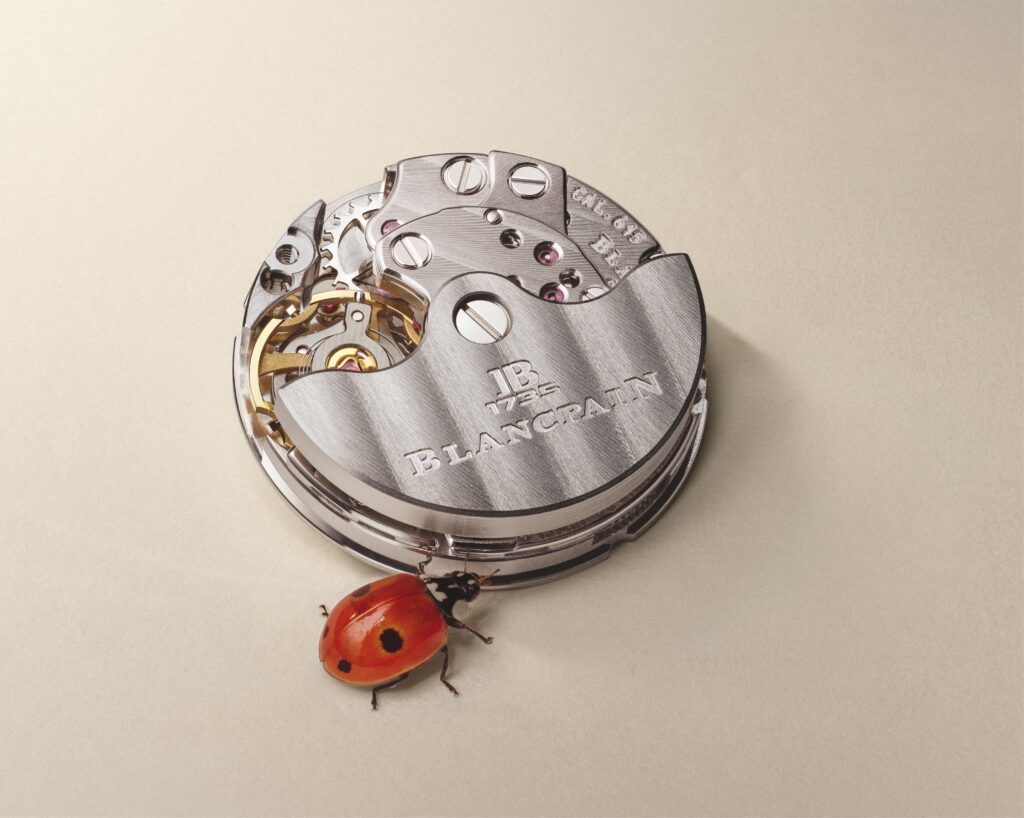
Most importantly, Fiechter left her mark on the watch industry for other women, paving the way for them to follow in her footsteps as leaders in the field. It was not until 2008—75 years after Fiechter stepped into her role as CEO—that another woman would claim the title when Christine Hutter became CEO of the German watchmaker Moritz Grossmann. Today, Hutter is among a small handful of just eight women to hold the position of CEO in the watch industry, including Christelle Rosnoblet of Speake Marin, Nayla Hayek of Harry Winston, Chabi Nouri of Piaget, Catherine Renier of Jaeger-LeCoultre and later Van Cleef & Arpels, Ilaria Resta of Audemars Piguet, Laura Burdese of Bulgari, and Beatrice Goasglas of TAG Heuer. However, this fight for equality all began with one woman who was far ahead of her time, Betty Fiechter, and her legacy continues to live on in each of these women and in collections like Blancpain’s new interpretation of the Ladybird.