
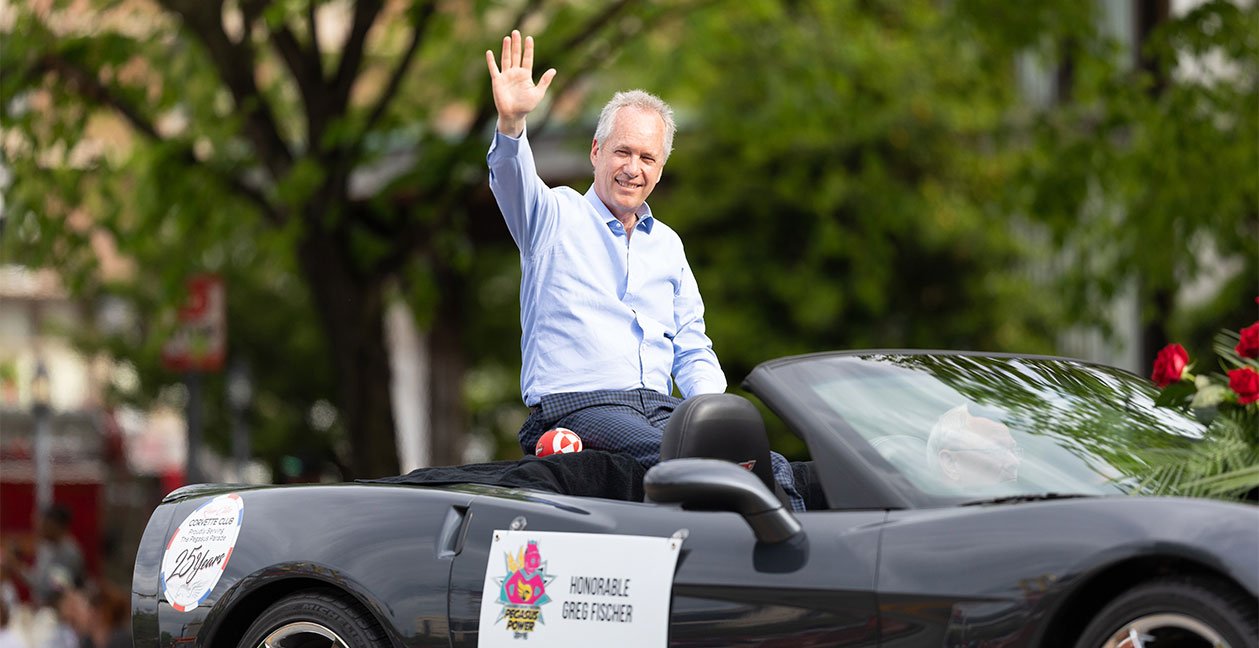
Louisville, Kentucky, mayor Greg Fischer has always made innovation a hallmark of his career. At age 25, the Louisville native and Vanderbilt University grad invented the drink and ice dispenser—he called it the SerVend—that’s now a staple at pretty much every fast food restaurant and convenience store in the country. In the following years, Fischer sold SerVend, cofounded business accelerator bCatalyst, invested in a medical device manufacturer called MedVenture Technology and was part owner of Dant Clayton Corporation, which designs and builds sports stadiums. Among other things.
In 2008, Fischer shifted his focus from business to politics, and finished second in the Democratic primary for U.S. Senate from Kentucky. In 2010, he ran for mayor of Louisville on a good government platform and won with 51 percent of the vote. He would win again in 2014 and 2018. This year, he is also the president of the U.S. Conference of Mayors.

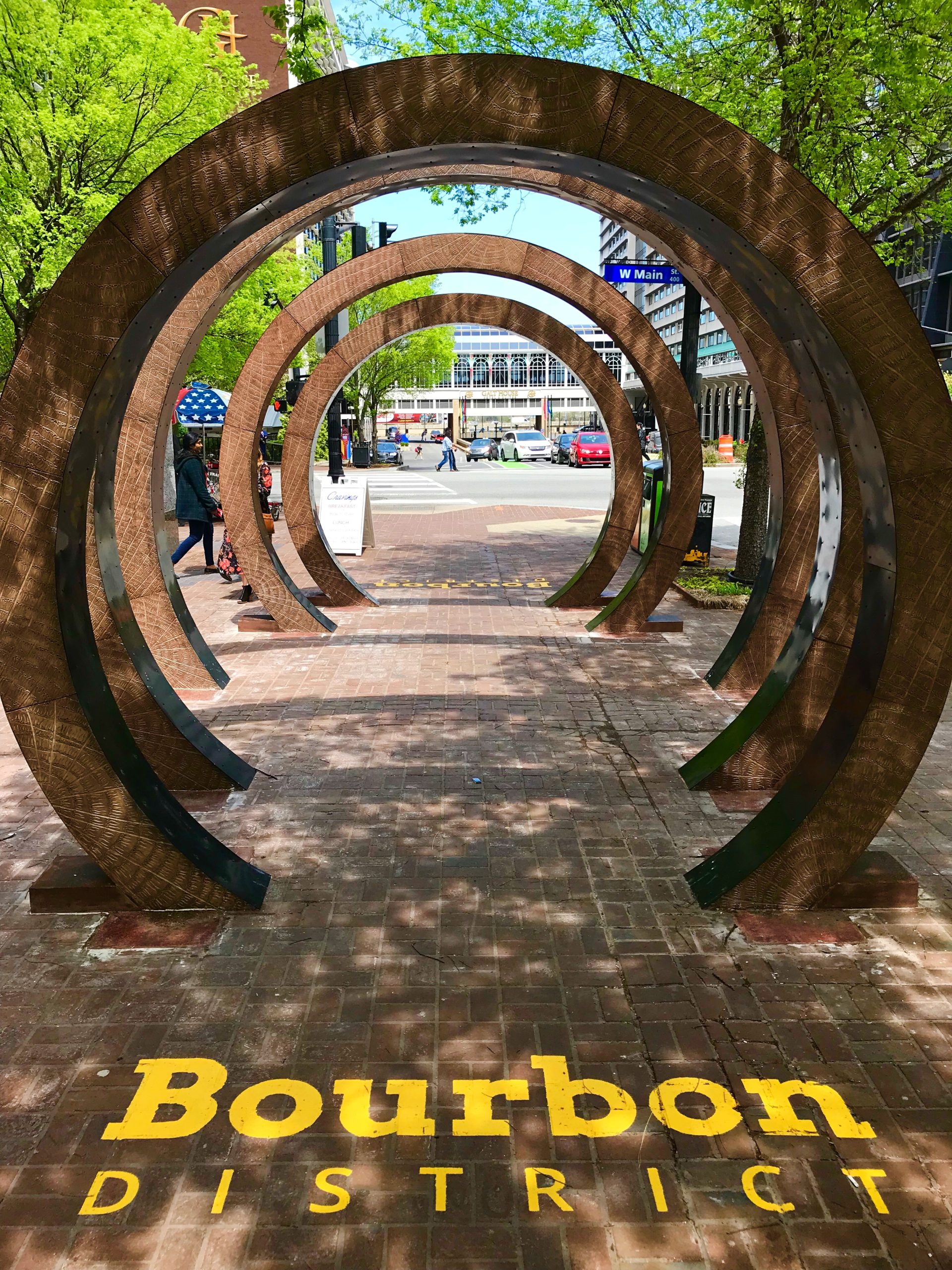
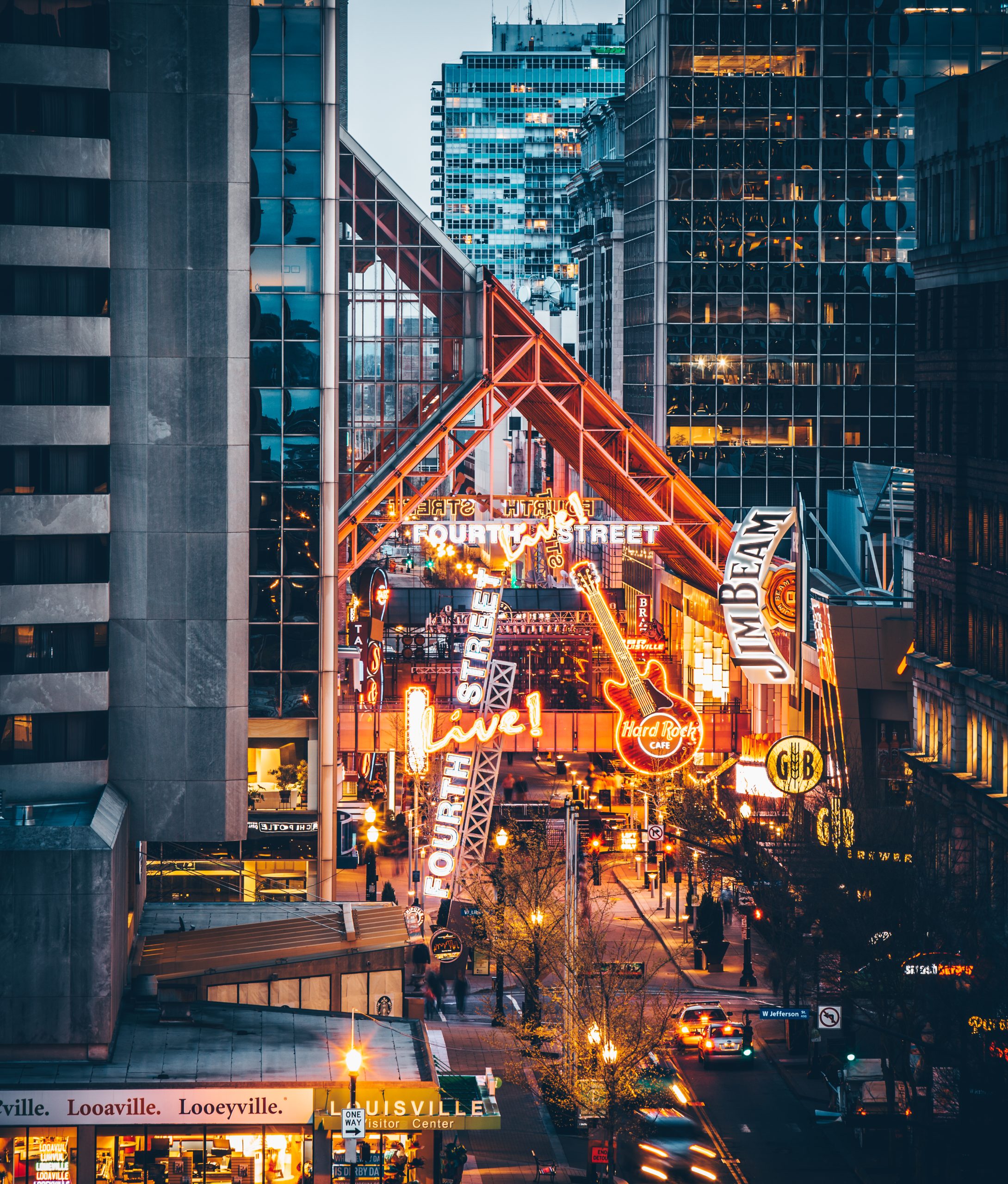
Under Fischer’s leadership, Louisville, long known primarily as the home of bourbon, the Kentucky Derby and Muhammad Ali, has focused on building on its strengths. To attract visitors, Fischer promoted the concept of Bourbonism, a city infused with the heritage and craft of bourbon-making (and with an excellent food scene to go with it). The pitch has worked phenomenally well, attracting not just tourists (a reported 16 million annually), but also helping make Louisville an appealing place for young people to live and work.
At the same time, Fischer has also worked to promote Louisville’s economic development though innovation industries such as artificial intelligence and data science. And, working with Bloomberg Philanthropies, Fischer has pushed hard to make Louisville government more transparent and data-driven; the Bloomberg organization has twice certified Louisville as one of the most effective cities in the country at using data to make city government work better.
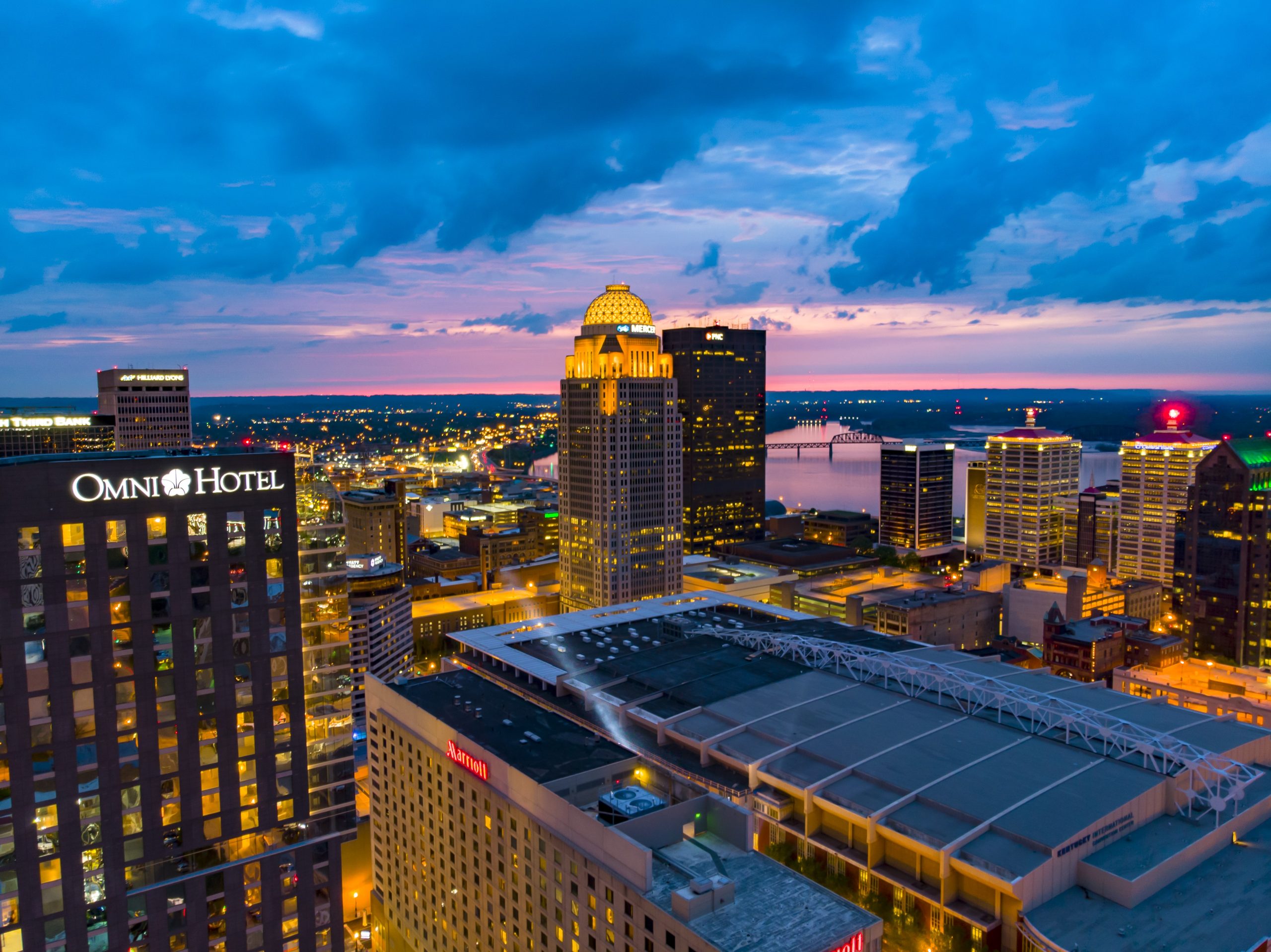
In person, Fischer isn’t a particularly emotive figure; though his language is soulful, he’s not the type for soaring speeches and foot-stomping rallies. Instead, his passion manifests in diligence and intensity. Fischer will talk at length about the importance of compassion as one of Louisville’s core values. What does that mean to him? “Respect for every citizen so that their full human potential is flourishing,” he says. His is a vision of a city whose citizens live in prosperity and harmony—and inspire the rest of the country to do the same.
Q: First of all, how are you? I understand that you have self-quarantined after exposure to someone who tested positive for the coronavirus?
A: So far, I have no symptoms, and I feel fine.
And how much longer do you have to self-quarantine?
Anywhere from five to 12 days.
That’d be frustrating for anyone, but particularly so for a mayor.
Not being physically present, it’s hard. But the bottom line is, we’re all going to be impacted sooner or later.
What’s the caseload like in Louisville as of today, March 19?
Well, the city is basically shut down. We’ve got nine confirmed positives, and we’ve tested about 60 people.
That’s not a lot of testing.
The unavailability of testing kits is just really confusing to people—why can’t the [federal] government say, here’s how many testing kits we have and here’s the processing time?
From a federal standpoint, we have really failed on this testing problem.
What’s your assessment of the White House’s response to this crisis?
Obviously, the response from the White House on this thing has been severely delayed. It’s been the mayors and the governors that have really been leading.
You’re the incoming president of the U.S. Conference of Mayors. What’s your priority in that context?
Back in 2009 [during the Great Recession], only 1 percent of the money from the American Recovery and Reinvestment Act [the Obama administration’s stimulus package] went directly to cities, which meant that it was not nearly as impactful as it could have been. So we’re calling for much more direct assistance now—if it goes through the states, it just takes too long to get to people. Of course, the White House is talking now about sending people checks directly, which is even better.
Let’s jump back a little. I’d like to get your perspective on Louisville from when you were first elected, in 2010, to now.
When I was mayor for the first time, we were coming out of the Great Recession.
How hard did the recession hit Louisville?
Like everywhere there was a downturn for construction, manufactured goods were down, just generally weak demand. But we came out of it the fourth fastest [city in the country] in terms of job recovery because of about $2 billion of investment. We have two Ford plants here and one GE plant, so as the economy came back, and purchasing of goods like that came back, they made some major investments.
How significant was the mortgage crisis here?
People were over-leveraged, so there was an increase in vacant, abandoned properties. Not what you saw when you go up North, especially in the Rust Belt areas, but there was some damage over that. We recovered from that pretty quickly as well.
How did Louisville rebound so quickly?
We’re a unique combination of Southern hospitality but Midwestern, Northern grit in getting things done. It wasn’t clear at that time, but in retrospect, it’s been uninterrupted economic growth [since then].

So the culture of the city had something to do with its recovery?
I travel a lot. And when I go to cities, we’re the same country, but there’s different cultures in [different] cities. With highway 1-65, right here…you start in Chicago and you go to Indianapolis and it’s a little bit different. Then, Louisville is different. Then you go to Nashville, it’s getting more southern. Then you go to Birmingham, it’s, like, way more southern. Then you go to Montgomery and it’s like, man, it’s like the Civil War is still going on. And all this, just going up and down one highway.
So as Louisville emerged from the Great Recession, where did you want to take the city, economically?
The question for cities is, what is your economy made up of? We’ve been changing our economy to more of an innovation-based economy. We just launched a future of work initiative with Microsoft, so that’s a good example of how we’re pushing to reposition ourselves and what our [economic] clusters are.
What does that exactly mean, a “future of work initiative”?
How is the new data economy going to impact existing work and future work? What’s the impact of artificial intelligence, the internet of things, data science? And how do we take a look at not just existing businesses today but new businesses we want to create tomorrow? How do we take advantage, for instance, of the fact that our number one cluster is wellness and aging care?
So aging care is one pillar of Louisville’s economy?
Louisville has more companies headquartered in that cluster than any other city in the country. It’s a great cluster because, obviously, the demographics are growing for it. So how do we take the current position of that and overlay these new data tools that we just spoke about to create new businesses around wellness and aging care?
Now, of course, we’re experiencing the impact of coronavirus, which some say could be even worse than the financial crisis. Obviously, we’re in the early stages of this crisis. But how does Louisville recover this time?
This is where the scale of the federal response really needs to be understood. The only institution that’s large enough to fight this thing is the federal government. Because we can’t have a societal breakdown. You can play out a scenario of no jobs, no support, a public health crisis…So, everybody knows that we have to keep it together somehow, and what that looks like is yet to be determined. At the end of the day, it will be the largest federal bailout in history.
Tell me a little bit about the Louisville brand, for lack of a better term, and how that’s evolved over the past decade.
That’s a good question. When I became mayor, I looked at the job as a businessperson. When you come in and turn around a company or buy a company, you say, these are the values that are going to drive our decision making here. And in Louisville, our three values are lifelong learning, health and compassion. We’ve got a deep tradition here of interfaith leadership in our city. We’re 25 years into our Festival of Faiths. [Trappist monk] Thomas Merton had his famous epiphany a couple blocks from here. Muhammad Ali, of course, is from here, and he used his platform to become a humanitarian.
So the idea of compassion as a city value kind of caught people off guard.
This is my first visit to Louisville, and if you’d asked me about what I knew about Kentucky, I would have mentioned Ali, the Derby, bourbon, your United States senators, your recent gubernatorial race. I probably would not have said “compassion.”
We’ve had over 50 cities visit us to study what we’re doing around compassion. What we mean by compassion is respect for every citizen so that their full human potential is flourishing. In America today, the concentration of wealth and income is more intense than it ever has been since the Depression. People know that that’s not sustainable.
Which is where the concept of compassion becomes so powerful.
The notion of compassion is that, until everybody feels like they’re connected to a bright and hopeful future, the sustainability of our current model is not going to happen, either from a moral standpoint, an economic standpoint or a public safety standpoint.
The concept of compassion sounds great, but how do you translate it into action?
Compassion is about lifting people up through skill development. That’s a big part of our future of work initiative, and we target low-income neighborhoods on that, making sure we don’t have digital redlining in pace, for example.
What else does compassion mean from a mayor’s point of view?
In this region of the country, Louisville is the leader in LGBTQ rights and living and tourism. We’ve won a perfect score on that from the Human Rights Campaign for five years in a row. And we lean into race issues with our Lean into Louisville initiative.
Beyond compassion, what are the other aspects of Louisville that you use to promote the city?
Bourbon. When I was running for mayor, I looked at things like, what’s our value proposition as a city. What’s unique to us that nobody else has. And I was just like, why aren’t we promoting bourbon and our local food scene like Napa promotes wine? It made no sense.
So Bourbonism has become huge. And we’re in the very early stages of it. It’s mainly a U.S. thing and a regional thing. It’s not a global, “Hey I’m going to Kentucky for Bourbonism,” unless you’re really in the know of spirits. So that’s going to be a good long run for us.
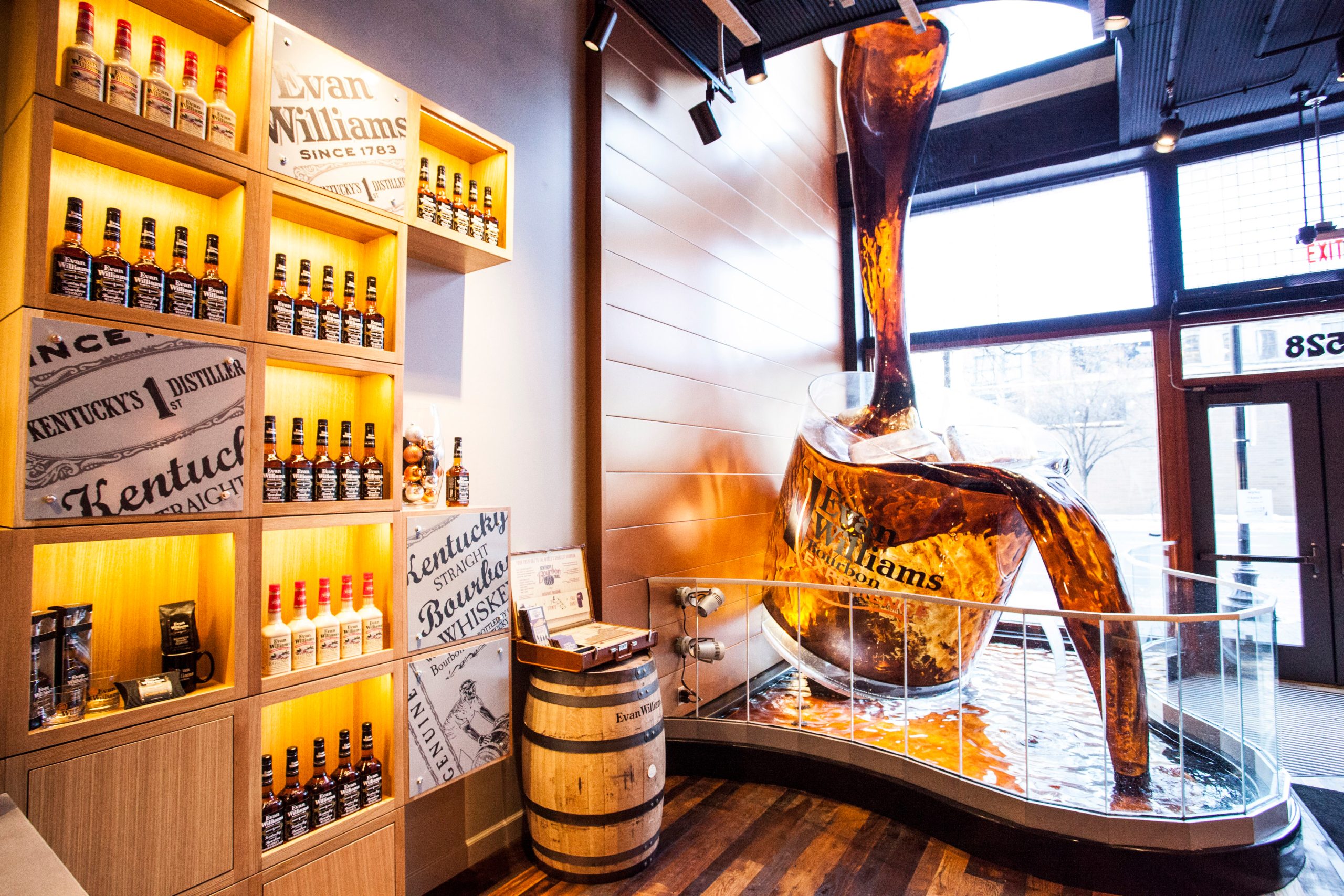
So how does the fact that Louisville is known as the home of bourbon drive economic growth?
It’s part of our placemaking strategy. When you think about a city and how do you compete for talent, one, you have to be known for something, and second, what’s attractive for young people to move to your city? It can either be a red-hot tech economy, like, let’s say Austin has had. It can be a natural beauty play, like, let’s say Denver. Or it can be a hospitality play and a music play and a heart play—that’s what we’re trying to do with Bourbonism and our music scene here. You have to identify what it is and develop around it.
And what is the “developing around it” part?
We have a beautiful city along the Ohio River. It’s got a good quality of life, it’s got affordable quality of life, and it’s got ample opportunity for employment around a city whose inhabitants care for each other.
Do the city and state brands conflict? Kentucky is generally seen as a conservative state, with Senate Majority Leader Mitch McConnell as its leading political figure, and it has a state legislature that’s considerably more conservative than Louisville. This dynamic is something you see with a number of cities around the country–Orlando, Nashville—progressive cities with progressive mayors that are constantly butting heads with more conservative state legislatures.
Nashville still has the statue of the guy that started the KKK. [A bust of Nathan Bedford Forest, a Confederate general who was the first “Grand Wizard” of the Ku Klux Klan, resides in the Tennessee capitol building in Nashville amidst debate about what to do with it.] They can’t take that down.
I know you were able to address that issue early in your tenure.
Fortunately, we got ahead of that. We’re the northernmost southern state, I guess you could say. The [Ohio] river was the Mason-Dixon line, so…if you were African American [in pre-Civil War Kentucky], you were looking across there to freedom. It was really different than being deep in that cotton field in Alabama somewhere.
We had just one overtly Confederate statue here and I was able to remove that before all the national hubbub started. There were people that protested [the removal], but it was a small group. And again, I think our geographic position is very different than Louisiana or Montgomery. When you travel to those places, to me, you can feel the slave era—it’s much deeper generationally into people’s identity.
Of course, the statue debate is only one part of that political disconnect between urban and rural that we’re seeing so much of in the United States today.
There are about 30 to 35 states now that are red states that have blue cities, and this is part of the challenge that you spoke about, which is that you’ve got this rural-metropolitan divide in our country right now. In my view, it’s primarily driven by isolation. When you don’t live around people who are different from you and somebody wants to come and stoke the flames of the fire, tell you you’re not doing well because of those [other] people, all of a sudden that starts building up these walls…
Or if you perceive that you’re not doing well because of immigrants or people who live in cities…
It’s a naked political play and it’s been around as long as civilization. And it’s really unfortunate because to build great states, to build a great country, you have to unify people—and leverage differences. The best companies want as diverse a workforce as possible so they can get lots of different ideas on how to be innovative and serve people.
Cities are doing better than rural areas. They are getting more prosperous, attracting younger people, innovating faster…And they overwhelmingly dominate U.S. GDP. So how do you bridge the economic gap between rural and urban?
You have to be really deliberate about the strategy. I’ve been full-throated on the need for farmers to make a profit. Because food policy in our country has killed most of the medium and small farmers, which has just hollowed out rural America—and that’s not sustainable ether.
That’s one of the areas where Bourbonism helps. It’s not just about what makes bourbon—there’s a lot of corn farmers that contribute to bourbon—but the whole local food scene. We are very intentional about partnering with our agricultural commissioner around farmers in this part of the country, so that they know they are a part of this renaissance that’s taking place. They get it. And when you go to a restaurant and you see the origin of the food and the story behind the farmers…
So it’s not just about building economic connections between urban and rural, but making those connections clear to both sides.
Until people see past this us-versus-them lens politically, it’s going to continue to be difficult.
Of course, none of this is to say that cities have all their problems figured out.
Right. When you come into cities, there’s challenges of multi-generational poverty and deep urban areas as well. It’s just easier to be connected to folks in that situation because of proximity—you can target a realistic future. If you can, let’s say, skill somebody up so they have an innovation or technology pathway, there’s a job five miles from where you live that we can connect you to.
How do you navigate the challenges of being a mayor of a blue city when you have a federal administration that is not particularly supportive of cities generally, and particularly cities with Democratic mayors and voters?
Well, you can do a lot of things given those constraints, so I’ll emphasize those first. The number one platform for a mayor is to use the pulpit that he or she has to lift the city up to a higher awareness of what the purpose of a city is. To me, the purpose of a city is to provide a platform for human potential to flourish, because there are so many of us together.
So then how does that tie into our economic development strategy, our skill-building strategy, our education strategy? And we can do a lot of that without state and federal government.
But for much of post-Vietnam America, the federal government helped amplify cities’ efforts to help themselves.
Frequently, in the type of cities that we’re discussing, you’ll see lots of great innovative programs. But they’re not scaled adequately because we might be preempted [by state legislatures] from raising our own revenue. And without that [revenue], you can’t scale.
That lack of dedicated revenue is an issue for you here in Louisville, right?
Yes. For instance, our federal education system is is based on a 50-year-old model—a traditional family structure, slow-moving economy, a local economy.
But today, we have non-traditional families and global technology. So you see the achievement gaps that we have in schools between under-resourced kids and highly resourced kids, and that’s driving a lot of these income and wealth gaps we have. The country should say, OK that’s not sustainable, we need to make sure low-resourced kids have access to physical health care, out of school time, whatever it might be. It’s the only way you can close the gap.
We have programs like that that are getting good results, but they used to have the fuel of our federal and state education systems behind them. The mayors of America are doing all kinds of innovation like this, and we hope that when the federal government wakes up at some point in time, that we’ll say, well, that worked in Louisville, that worked in Orlando, let’s see if we can’t scale these up nationally.
It must be a bit surreal to be in a position where you feel that the federal government is actually antagonistic to what you’re trying to accomplish.
It’s not helpful.
Presumably that’s an understatement.
Well, when you take a look at, say, homelessness—our homeless challenge here is minute compared to most cities, but when you look at what the federal government has done with affordable housing over the last 25 years or so…
So when people see all these folks wandering around the streets and say, my gosh, how did this happen? Well, it’s affordable housing and decreases in mental health services. No wonder it’s happened.
And like so much else in this political moment, the issue then becomes a political football—”homelessness in San Francisco is Nancy Pelosi’s problem, instead of criticizing the president, she should go back to San Francisco and figure it out.”
Or it’s the federal government is going to come in and save the day, which…We’re just living in a kind of alternate reality right now.
Which brings us back to the question of how you as a mayor work to solve big challenges in these divided times.
I always believe, control what’s in your own backyard, advocate for what you want to change and keep getting after it. As a mayor, you’ve got to have a great plan to move your city forward, and then you’ve got to react to all the stuff that happens, whether it’s the federal government or an explosion or whatever. Mayors are very accountable to our people.
So how you communicate—and what you communicate—becomes essential.
That’s the thing. The foremost power of a mayor is using his or her pulpit to change the culture of a city, and it starts with these universal values— kindness, compassion— that we’re all born with, but somehow amongst all the daily friction, people lose that.
And again, that’s where the importance of compassion becomes tangible?
If we can start with that as a city, it’s like, man, I might disagree with you on tax policy, but we’re connected, OK? So let’s have this as a civil disagreement.
Do you think it’s working?
It works at a local level, and we’re trying as mayors to have an impact on the national discourse. Because if that’s not possible, we’re going to destroy ourselves.
Which brings me back to the coronavirus situation. At some point, presumably, we will get through this. What does our country look like on the other side? How are we changed?
I think that what this coronavirus does is move us from the theoretical to the real. You go from, yeah, let’s debate these issues [around inequality] to, this is reality, and this reality is really scary and not sustainable for our country. So if anything good can come out of this, maybe it’s a country with a much broader sense of community and shared purpose.