

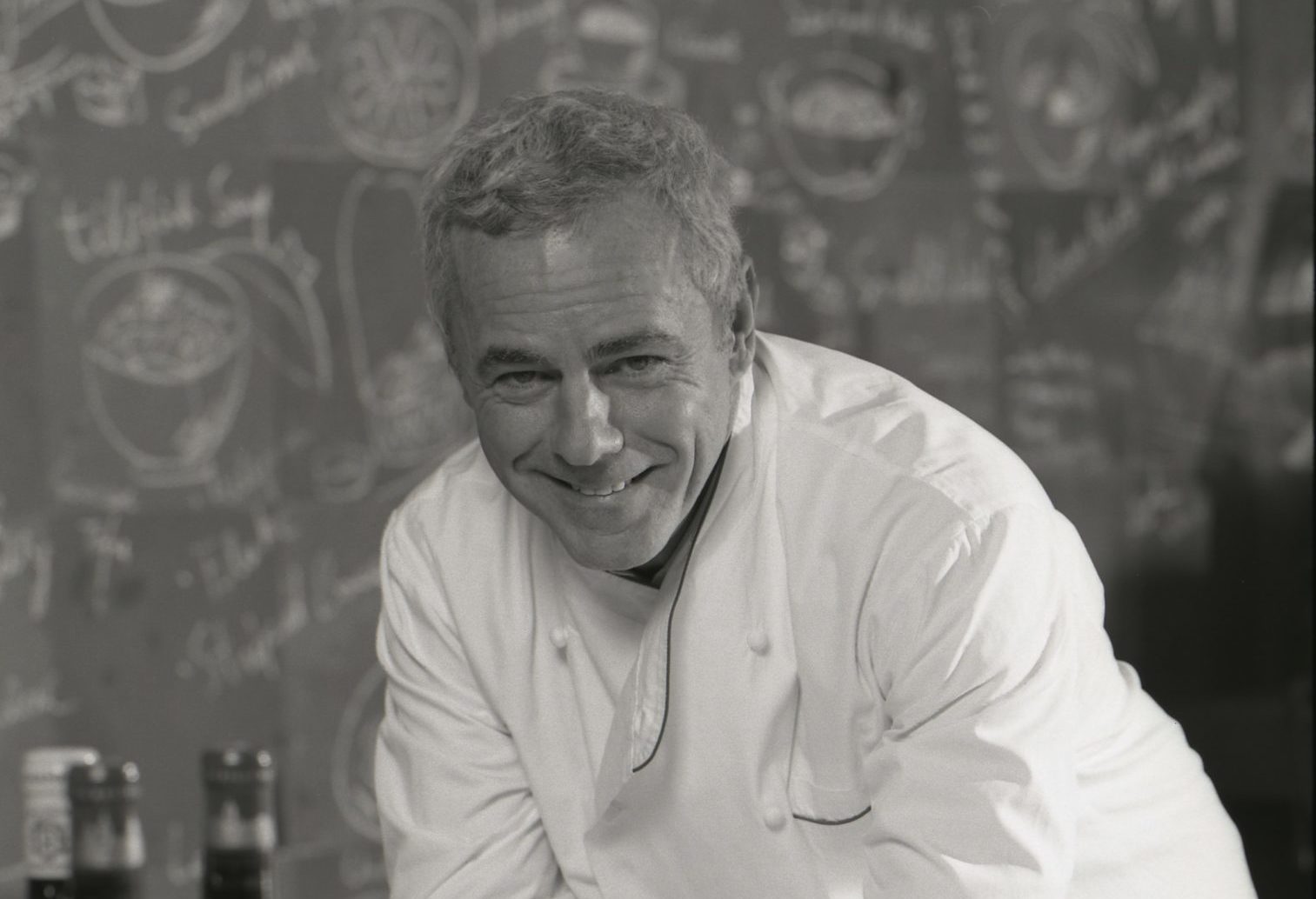
David Bouley is drizzling vanilla-infused olive oil on the back of my hand and urging me to lick it.
“Vanilla is a pre- and a probiotic. It’s a fermented bean, so it supports your health,” says the robust 66 year-old, multi-Michelin-starred chef. “Put a little vanilla oil on a sliced tomato, add some good balsamic vinegar and you’re going to sit down and think that you are a genius. You can’t believe how good this tastes.”
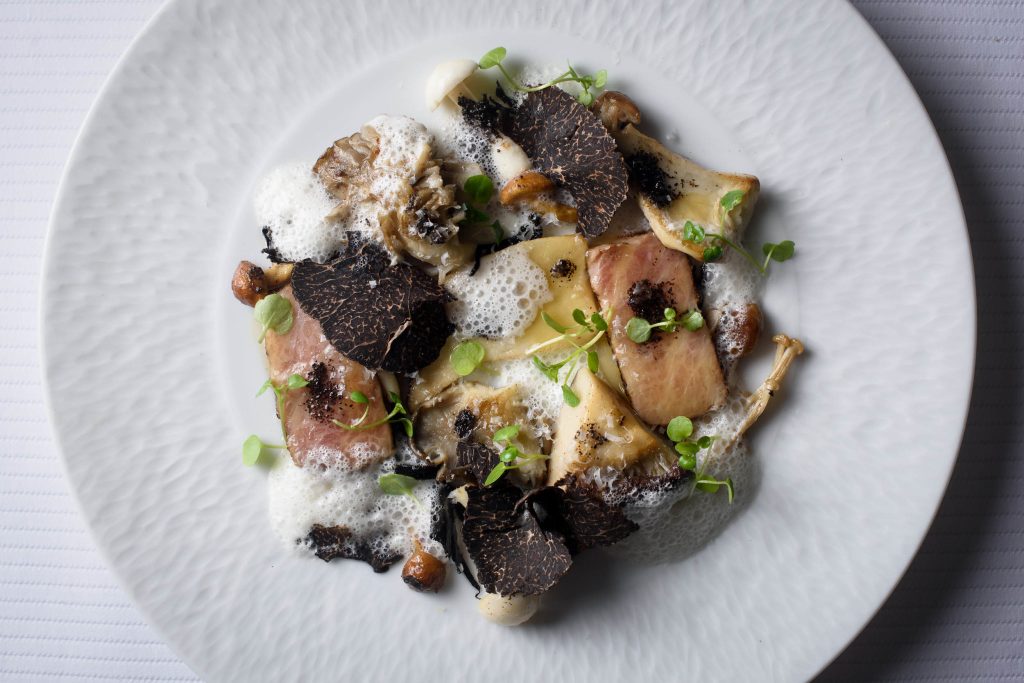
In a wide-ranging discussion during which he waxes poetic over a crate of freshly picked, local chicken of the woods mushrooms and the virtues of wild purple yams from Okinawa, Japan, Bouley makes a compelling case for how America’s industrial food complex has hurt us, and what we can do to restore our health through food.

He’s just one of the many voices championing food as medicine, an area once relegated to “alternative” therapies and Eastern medicine, but now increasingly embraced by Western physicians and registered dieticians. A spate of new books, restaurants and medical practices are tackling this issue, teaching patients and diners how to approach food in a way that lets them take better care of themselves and, ideally, treat or prevent chronic illnesses.
An avid cyclist, Bouley credits his long interest in food and wellness to his decades spent studying Japanese kaiseki cuisine, which increases the efficacy of digestive enzymes through a strictly prescribed order of courses and ingredients, and to his uncle Claude, a holistic French doctor.
“When I lived in France in the ’70s and ’80s, Claude would say, ‘Food is a cure.’ I couldn’t really say that here,” Bouley says. Returning to New York, Bouley quickly made his name at Bouley, the eponymous Tribeca restaurant he opened in 1987. The chef drew a high-powered, high-stressed finance crowd, many of whom told him their blood biomarkers were improving after eating regularly at his restaurant.
Why are we dropping on global indexes of longevity when we spend more on healthcare than any other country?
Intrigued, Bouley began befriending researchers at the nation’s leading medical schools and learning about how the chemical composition of food could influence digestion. He began preparing food with peppermint oil, a variety of herbs and lightly soluble fibers for a customer who had Crohn’s disease, and experimenting with ascorbic acid buffered with vitamin C to boost food’s color and taste.
His researcher friends “would explain that a lot of our food was engineered to get bigger yields and feed more people, but now we can’t digest it,” Bouley says. “Why are we dropping on global indexes of longevity when we spend more on healthcare than any other country?”
Seeking answers, Bouley created The Chef and The Doctor dinner series in 2012, with a roster of eminent guests like Dr. Charles Czeisler, director of sleep medicine at Harvard University; Dr. Steven Lamm, director of NYU Langone’s Preston Robert Tisch Center for Men’s Health; and Dr. Suzanne Garfinkle, a psychiatrist and the founding director of the Academy for Medicine and the Humanities at Mount Sinai.
Bouley is currently writing a book, The Living Pantry, to be published by Flatiron Press in 2021, in which he will encourage home chefs to include ingredients like avocado-, olive-, seed- and nut-based oils. Bread, so often reviled, has a place in a healthy diet as well, the chef says. He’s been serving bread made with the same levain (a fermented yeast and bacterial leavening agent) for more than two decades. For gluten-free customers, Bouley devised a loaf that includes yams, mountain potatoes, mung beans, New York state organic buckwheat, Bragg’s amino acids and organic white bean flour; some versions have walnuts, almonds or seeds.
“There are two things I need to know,” he says. “What does this individual need to eat, and when we cook, are we diminishing or elevating benefits?”
Like Bouley, doctors are becoming increasingly vocal about incorporating nutrition as a therapeutic part of their work.
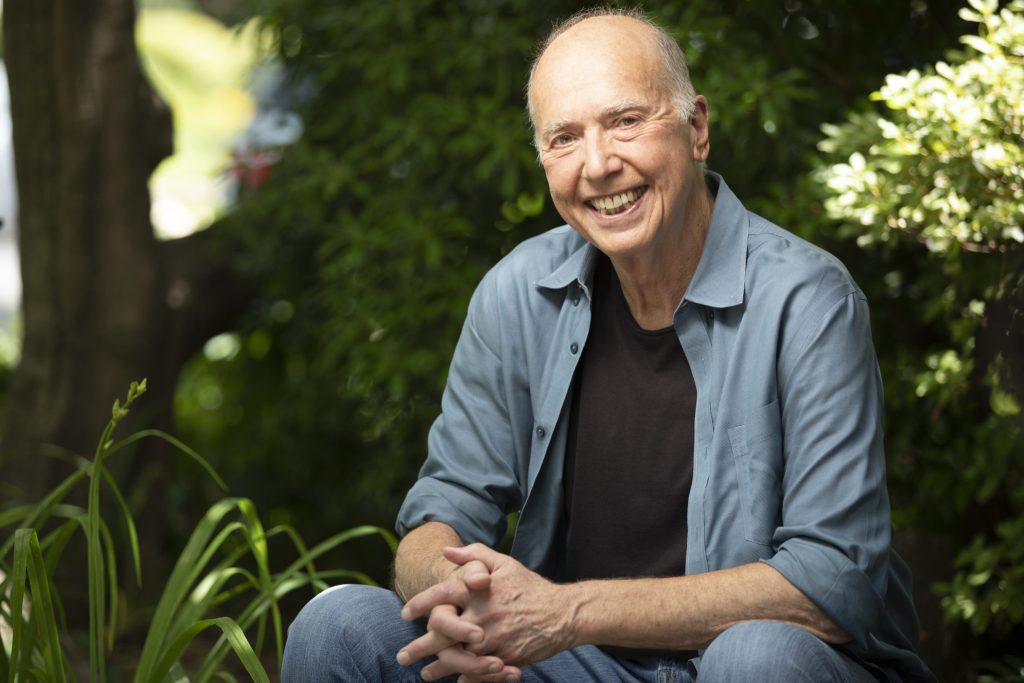
“I think the first challenge is for everyone to realize the incredibly powerful impact of food on our health, our well-being, our psychological states and the quality of our life and longevity,” says Dr. James S. Gordon, a Harvard-educated professor of psychiatry and family medicine at Georgetown University Medical School and former chairman of the White House Commission on Complementary and Alternative Medicine Policy.
“How we eat and who we eat with are central to our lives. We need to pay attention to that. In some ways, it goes against the grain of conventional medical training and the attitude toward our health that we’ve developed, which focuses on what experts can do to us or for us to make us feel healthy,” he says. “The first line of treatment is so often a rush to pharmaceuticals, instead of reserving them as a last resort.”
Gordon founded the Washington, D.C.-based Center for Mind-Body Medicine in 1991 and added training in food as medicine in 2001. So critical is food to well-being, Gordon says, that he devotes the longest chapter in his new book, The Transformation: Discovering Wholeness and Healing After Trauma (Harper Collins, September 2019), to his “trauma-healing diet.”
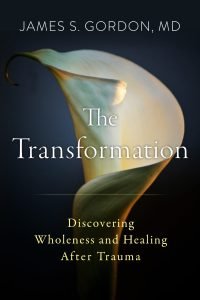 “Everything we eat—and I mean everything—can either enhance or hinder trauma healing,” he writes. “Neglecting trauma’s effect on our gastrointestinal tract is incomplete and shortsighted. Trauma disrupts our digestion as predictably and dangerously as it does our thinking and feeling. And what’s going wrong in our gut causes further damage to our brain, and this additional damage will, over time, cause more problems for our gut as well as our mind.”
Stress, he notes, can interfere with digestive enzymes and can negatively impact the microbiome.
“Trauma leads to damage in our GI tract, our brain and our whole body but we can reverse that damage if we move our diet in a direction of healthy, whole, unprocessed foods,” he says. “If we move away from consumption of red meat, which is high in inflammation-promoting omega-6, and toward fish and omega-3, we will improve our brain and digestive functions.”
The Western tendency toward starchy, sugary foods makes this challenging, he notes.
“Brain-derived neurotrophic factor (BDNF), a vital ingredient in healthy brain functioning and the repair and regeneration of neurons, is lowered after trauma—comfort foods deplete it even further. This is particularly damaging in the hippocampus,” he writes. “The more we eat comfort foods, the more firmly we become hooked on them…this is a health-threatening vicious cycle.”
To reverse the cycle, Gordon recommends non-starchy vegetables, like mushrooms, which enhance immunity; cruciferous vegetables like broccoli, which help the liver’s detoxification capacities; moderate consumption of fruits (particularly blueberries, which help boost “good” microbiome bacteria), beans, legumes, seeds, nuts, small fish like anchovies, sardines and herring; seafood, eggs, small quantities of grass-fed meat, olive, coconut, walnut, avocado and sesame oils; fermented foods and supplements like vitamin D, zinc, selenium, omega-3 and turmeric.
Conversely, Gordon says, he recommends his patients, even those who don’t have celiac disease, avoid gluten. “When we’ve been traumatized and eat gluten, it may pass through the intestinal wall, which high levels of stress have made ‘leaky,’ and increase inflammation in every part of our body, including our brain,” he writes.
Even for more mundane conditions, Gordon says, food can be an excellent remedy. Some examples: a broth of romaine lettuce and nutmeg acts as a tranquilizer and aids in sleep; ginger tea for nausea; onion soup with garlic, ginger and cayenne pepper for chronic respiratory problems, congestion and post-nasal drip; chewing 30 black peppercorns and then drinking hot water to treat a cold.
Those remedies may sound overly simplistic, but our Western biases often lead us to overlook effective dietary solutions in favor of a “magic bullet” medical approach, food-as-medicine advocates say.
“The biggest misconception about food as medicine is that it’s confusing. In so many aspects, it’s pretty simple for the general population. We know that we’ve gone increasingly as a nation into processed and convenience foods. If we stepped back and ate more whole, real foods, everybody would be in better shape,” says Dr. Elizabeth Boham, medical director at the UltraWellness Center in Lenox, Mass. Boham, who is both an MD and a registered dietician, was diagnosed with an aggressive triple negative breast cancer at age 30, an experience that prompted her to embrace functional, individualized medicine, both for herself and for her patients.
“I’m most excited about what we’re learning about genetics and epigenetics, how our genes are expressing themselves, and how nutrition and foods impact genetic expression,” Boham says. “We know that the phytonutrients in plant foods—the EGCG (epigallocatechin gallate) in green tea or the sulforaphane in broccoli—can counteract angiogenesis, the process where new blood vessels go to a cell and can help cancer grow and spread. It doesn’t mean that we can prevent all cancer, but we can have an impact on our risk. We also know that the EGCG in green tea can help with weight loss and lower blood pressure, and foods rich in zinc, like oysters, shellfish, beans and legumes, really support the immune system.”
Like Boham, Bouley says, food as medicine needn’t be predicated on deprivation. In his new book, he hopes to guide readers with Western palates long accustomed to amped up flavors and intimidated by home cooking.
“Start including good fats and fermented foods, work with mushrooms and leafy greens and get to know the spice kingdom. Start at the skill level where you’re getting satisfaction out of your foods. Boil some good pasta. Put on a tablespoon of turmeric oil, it becomes a beautiful color with a great smell, put some toasted pine nuts on top, add a little bit of flat parsley leaves and Parmesan,” he says. “You made something delicious, it took less than 10 minutes and it’s going to be better than when you go to the restaurant.”