

Wrapped up in the massive innovation that’s happened in the retail sector since the onset of the pandemic is an inconvenient truth—there’s been a tsunami of online returns. Despite rapid advancements in e-commerce, there are still some things that haven’t caught up.
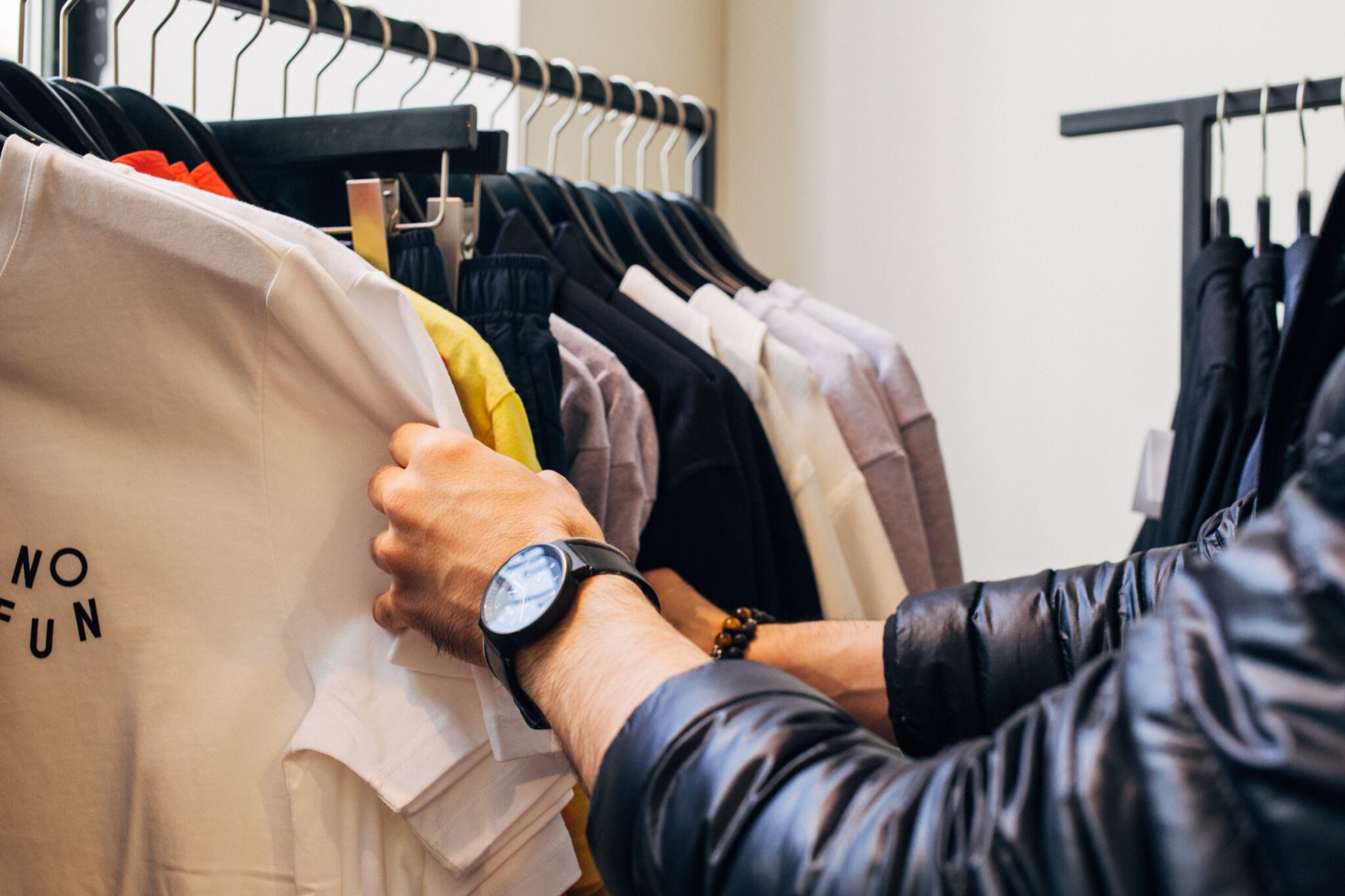
One retail experience stands out in my mind from this past year. About to embark on a three-day cycling trip with rain in the forecast, my fellow travelers and I needed better gear. I visited a cycling store, where a customer service rep went the extra mile, becoming my collaborator in finding the perfect fit.

When the downpour started, I stayed dry. My buddy wasn’t so lucky. When I asked him where he got his gear, he sheepishly replied, “I got it online.”
This highlights a problem that e-commerce has yet to figure out. We’ve got the technology to help shoppers bring the dressing room into their own home, test virtual products and compare items to brands they’re familiar with. But in too many cases, online doesn’t live up to in-person.
In the early days of the pandemic, it was digitize or disappear. Data from IBM found the pandemic sped up the shift to digital shopping by about five years. But the result is utilitarian commerce that still leaves customers, like my cycling buddy, with their feet wet.
Looking forward to 2022, there are four ways we’ll see smart retailers solve some problems of the digital revolution—and they’re all surprisingly old-fashioned.
Delivery That Makes an Impression
Expect to see clever retailers figure out how to make e-commerce more personal in 2022. The easiest way to do it? Delivery.
In the online age, delivery is a cornerstone of the purchase experience. Just the other day, I ordered an iPad case for my friend’s birthday. Within two hours, a delivery clerk was at my front door. The lovely young man rang my doorbell and handed me an Apple bag. It was like he was reaching over the counter at the Apple Store—except he was at my house.
Compare that to the lunch delivery unceremoniously left on my doorstep long enough for a neighborhood squirrel to tuck in. Guess which merchant I’ll buy from again?
I expect we’ll see more retailers maximizing on those personal touches and that white glove feel regardless of whether the purchase is made in-store, bought online and picked up in-store, or bought online and delivered.
Want Customer Data? Build a Relationship
Customer data is like gold. But with new privacy laws, retailers are having to rethink their strategies for collecting it. Some retailers will understand the assignment and revert to old-fashioned techniques.
Some U.S. states have introduced privacy legislation that protects a customer’s right to their own data, and Google has announced it will no longer support third-party cookies as of 2022. In other words? Companies will have to find other ways to get to know their customers.
As a result, we’ll see less of the ad-based marketplace that’s been polluting our screen space.
My prediction: Now that merchants can’t track their customers anonymously anymore, they’ll work harder to connect with shoppers more meaningfully. And that’s a good thing. Seventy-nine percent of Americans say they’re concerned about how companies are using their data. Instead of retailers creepily monitoring their customers, it will be on merchants to make it worthwhile for customers to let them in.
Long Live Local Business
In the early days of the pandemic, shoppers turned their eyes to local shelves out of necessity. Shopping at a neighborhood boutique could help it survive the lockdown, and disruption to supply chains made it practical to buy what was nearby.
In the year to come, I expect we’ll see the love for local intensify. Before the digital revolution, most of your purchases were from local businesses. That inclination is coming back, but with a modern twist.
One of the errors of our former ways was thinking e-commerce needed to be for goods delivered from overseas. But now, we’re seeing that one of the perks of online shopping is making our cities more proximate. Now, shoppers don’t have to trek to corners of the city that aren’t in their stomping grounds.
In that way, the corner store has never been more accessible. In 2022, expect to see more local delivery options, as life truly becomes more convenient.
Taking Experiential Online
For a long time, experiential retail—an immersive and memorable shopping experience—has mainly been reserved for brick-and-mortar. But merchants are making headway with experiential e-commerce that’s just as good as in-person (or better).
One small step is in conversational commerce, which links customers with a sales representative over chat or text messaging. Some companies are using this path of customer engagement more effectively than others. At its worst, conversational commerce experiences feel like you’re engaging with a bot that can’t really help you. Eighty-two percent of U.S. consumers say they want more human interaction in their shopping experience. At its best, shoppers get an experience much like my rain gear shopping expedition—personalized, human interactions.
On the higher end, we’re seeing retailers get creative with virtual reality (VR) and augmented reality (AR) to bring the store to online shoppers. While VR shopping still feels pretty nascent, AR just keeps getting better and better. In fact, 85 percent of U.S. consumers said they are more likely to buy a product they can feel out with AR. Shoppers are able to use these modelling tools to virtually preview what a product, like a new couch for instance, will look like in their space. It’s cool, it’s helpful and, when done well, can be an organic way of getting attention.
What all these trends have in common is they recognize the human side of shopping. Particularly after a time where we’ve been more removed from friends, acquaintances and communities than ever before, connection is critical.
In 2022, the retailers who embrace the classic principles of customer service and elevate them with technology will be the ones who build relationships with customers that last a lifetime.
Ben Crudo is the CEO of Diff Agency. A retailer-turned-technologist, Ben is an e-commerce expert helping retailers win today and tomorrow.