

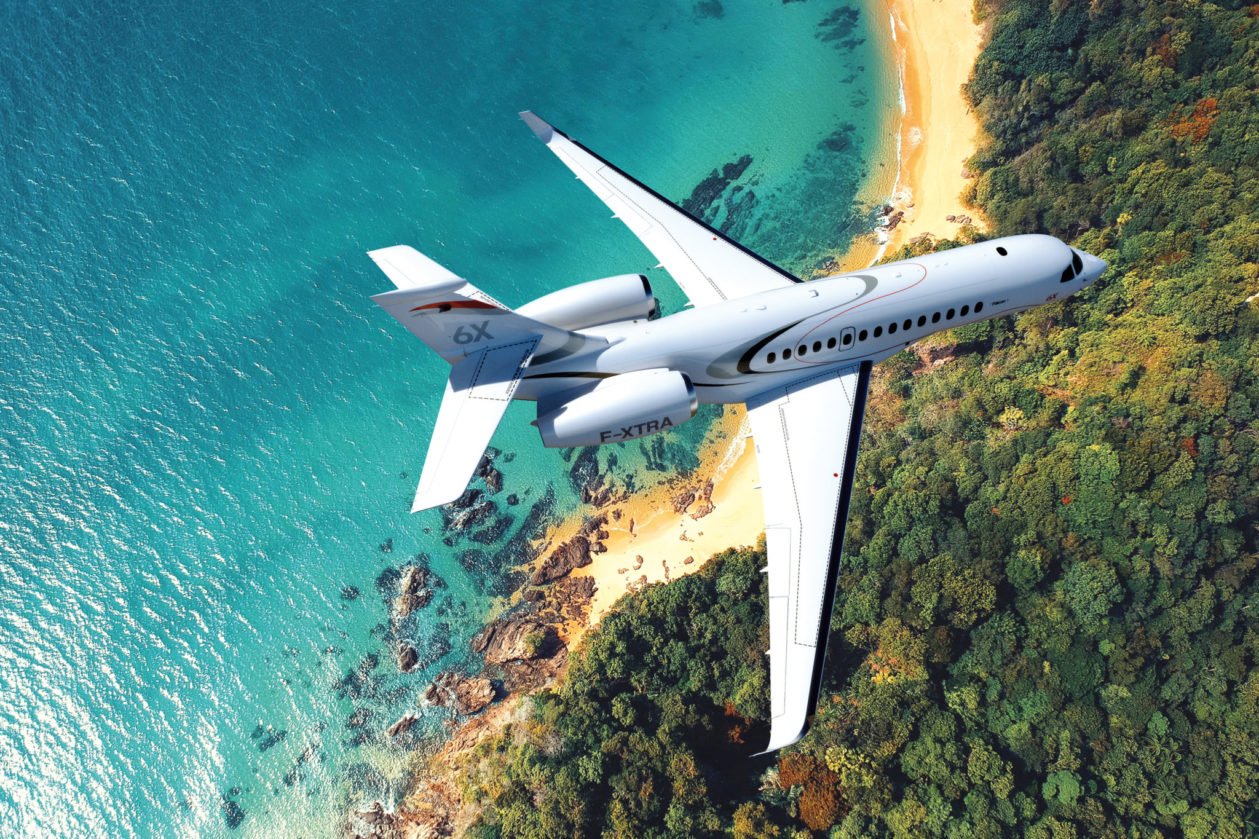
American aerospace manufacturer Learjet unveiled the first purpose-built private jet, the Learjet 23, in 1963. Dassault Aviation debuted its first executive jet, the Mystère-Falcon 20, that same year, and in 1966 the Gulfstream II was launched—an aircraft said to have first set the standard for private jets. Today, those standards are even higher: private fliers want an experience that offers both the peak of luxury and a sustainable way to travel.
And finding a green solution is something the industry is serious about. The National Business Aviation Authority committed to achieving carbon-neutral growth in international emissions by 2020—aided by the fact that, in 2014, manufacturers succeeded in developing supersonic private aircraft that run on biofuels. And this is only the start of the sector’s move towards cleaner travel and a more sustainable future.

Rising Popularity
But is it possible to minimize the impact on the environment just at the time the sector is also experiencing a significant rise in popularity?
“There’s abundance of new entry into the market,” says Ian Moore, chief commercial officer for VistaJet. “During 2020, VistaJet saw an increase of 29 percent in new members, year-on-year. Pre-pandemic only around 10 percent of people who could afford to fly private did. Now, 71 percent of our new incoming requests are from passengers who haven’t regularly used our business aviation solutions before.”
Environmental Pledge
That increase in demand hasn’t deterred operators’ efforts to find sustainable travel solutions. In fact, many are resolving to effect change across the entire industry or offset their emissions through sustainability partnerships.
For instance, in September 2020, VistaJet announced its new partnership with SkyNRG, the global leader for sustainable aviation fuel (S.A.F.)—which reduces carbon emissions by up to 85 percent. It’s an important step in reducing private aviation’s environmental footprint, and goes hand in hand with the company’s Sustainability in Aviation pledge.

Through this plan, VistaJet launched a partnership offering access to S.A.F.; a new flight management system, which reduces fuel consumption by optimizing route, level, and speed; a booking strategy that reduces unnecessary repositioning flights and fuel burn; and a company-wide greenhouse gas emissions audit.
Within eight months of launching the plan, says Moore, 80 percent of VistaJet members opted in to compensate for their fuel emissions. “We’re also continuing to explore all routes to higher sustainability,” he adds. “Our priority is to reduce our carbon footprint meaningfully and fast.”
Industry-Wide Influence
Similarly, NetJets—the world’s largest private aviation company, which accounts for around one in seven private jet take-offs and landings in the U.S. on any given day—is another operator committed to sparking change.
“As sustainability becomes an issue of increasing importance for consumers, it’s important to NetJets that we’re leading the industry in this category,” says Pat Gallagher, its president of sales, marketing and service. With that aim in mind, the company launched its Global Sustainability Program in October 2020, prioritizing S.A.F. investment along with offsetting corporate and consumer carbon emissions.
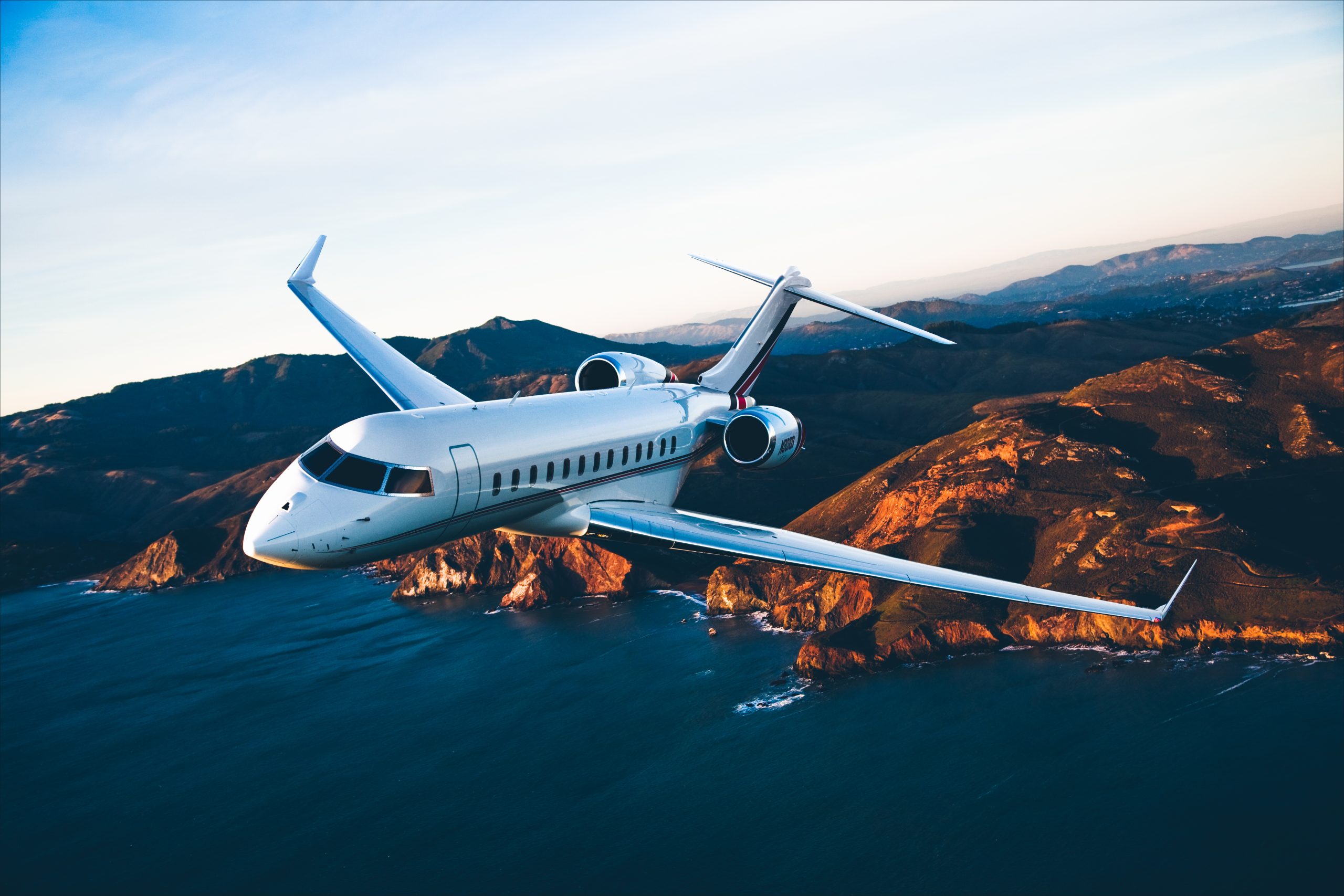
The endeavor is part of the company’s Blue Skies carbon offsetting program, which it launched in 2008 to encourage private jet owners to make their flight activity more environmentally friendly. And, this February, NetJets went on to announce its commitment to purchasing 100 million gallons of S.A.F. over the next decade from the next generation landfill-waste-to-fuel company, WasteFuel.
Sustainability Partnerships
Adding to these industry-leading programs is Signature Renew, the global sustainability initiative of Signature Flight Support. Launched in December 2020 in partnership with Neste and NetJets, the program makes Signature Flight Support the first fixed-base operator worldwide to offer a permanent supply of S.A.F. to business aviation—all with the aim of achieving net-zero-carbon emissions.
Other partnerships across the sector include Dassault’s collaboration with aerospace manufacturer Pratt & Whitney to offset its aircrafts’ carbon footprint; Shell Aviation and Neste’s S.A.F. supply agreement in anticipation of the increasing desire to reduce emissions; and Apertus Aviation’s Donate program with carbon offset provider Trees for All.

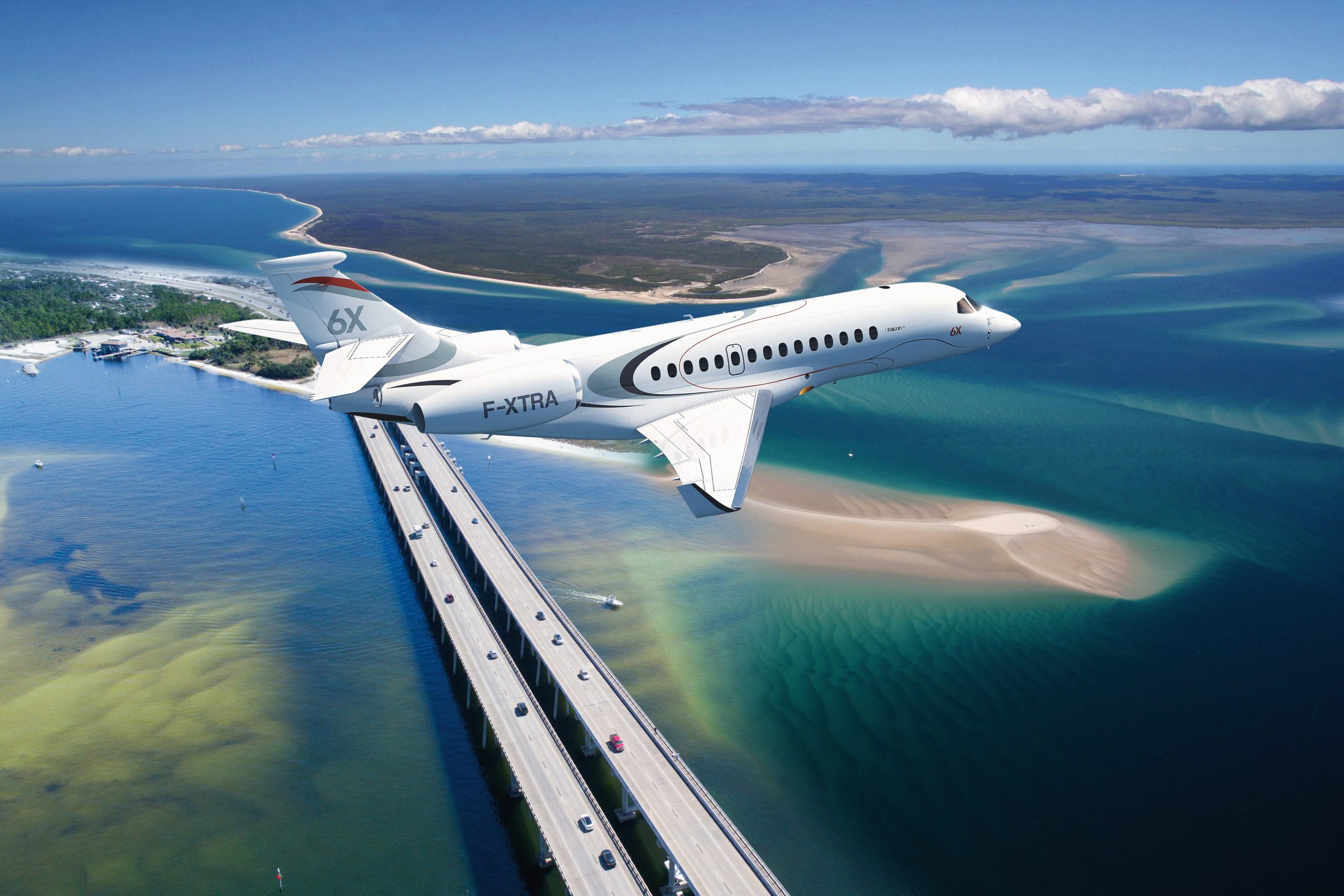
Combined with the creation of more sustainable jet models—such as the just-debuted Dassault Falcon 6X, which harnesses a Digital Flight Control System to automatically ensure peak efficiency—these initiatives are indicative of how this sector wants to mold its future.
“Without a doubt the private aviation consumer base is moving towards demanding more sustainable travel options from operators,” says Moore. “We’re looking forward to seeing where this takes the industry.”
This story originally appeared on Luxury Defined by Christie’s International Real Estate.