U.S. Senator, D-New York
THE 71ST MOST POWERFUL PERSON IN FINANCE
Q: What’s the biggest economic issue right now?
A: There’s this fundamental belief by a lot of New Yorkers that the system is: number one, rigged; and number two, rigged against them. The economy hasn’t worked for them for a long time.
Why is that?
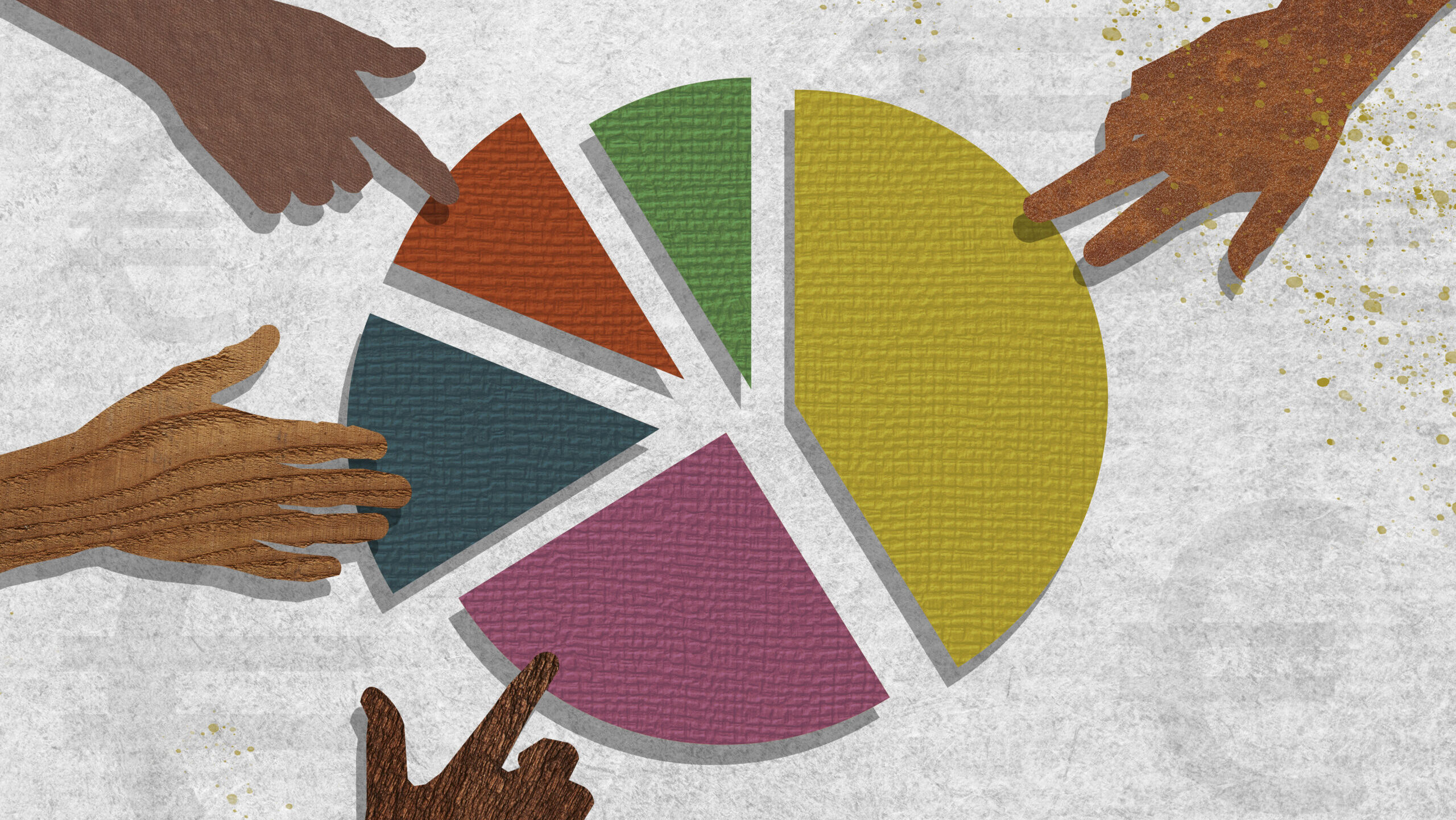
Over the past 30 years, we’ve been investing more in shareholders. If a company wants to get its share price up, it cuts costs, and, unfortunately, employees are now being seen as a cost center. Meanwhile, CEO pay continues to climb 3, 4, 5, 6 percent per year, while the wages of the lower-wage worker haven’t increased—1 percent or less. It’s really beginning to affect how people feel. We’re not rewarding work; we’re rewarding ownership.
What are some of the remedies?
We can incentivize companies to better compensate their workers, incentivize employee ownership, incentivize profit sharing. Align CEO pay more toward how they structure their company, and reward work in their company. Whether you’re talking about B Corps that have a “do good” goal or a typical ESOP or co-op or other form of ownership—that’s where the future lies.

Tax reform is a big topic today. How would you alter the tax system?
I’d focus on middle-class tax cuts, trying to get more money into the economy by getting more money into the middle class, as opposed to wealth creation for the top 1 percent.
What about corporate taxes?
I would focus reform on some of these new forms of governance for companies. Right now a B Corp doesn’t get a tax benefit. I’d love to see tax reforms around those economic reforms as opposed to just cutting taxes for the most successful companies.
Let’s talk about how the status of women has changed since the election of Donald Trump. Is the women’s movement different now than it was a year ago?
I think it’s changing dramatically. If you look at the Women’s March as a starting point, that was so inspiring for so many people. The reason it was so powerful was because it was intersectional: You could march for whatever mattered to you and feel like it was your moment to be heard. For a lot of those who showed up, particularly women, it was the first time they’d ever marched, that they’d put what they thought on a sign.
Are there other ways you’ve seen a change?
We’ve seen it in the number of female candidates who will run. Something like 18,000 women [since election day 2016] have asked to be trained to run for office by [political action committee] Emily’s List—ordinarily it would be around 500 by this point in the year. Fundamentally, the things they value are at risk. You’re seeing a groundswell of enormous activism and support for new leadership. Six years ago I was very worried about the future of the women’s movement because there weren’t enough women wanting to run, wanting to use their voice. Today, I have enormous hope.
You’ve campaigned successfully in upstate New York, a historically conservative part of the state. Nationally, there were a lot of districts that were tipped to the GOP because of the votes of white, middle-class women. What do the Democrats need to be doing differently to reach these voters?
We need to spend more time listening to our constituents about their needs. We need to raise the minimum wage to $15. We need to invest in innovation and entrepreneurialism. We need to have “Made in America” again, and we need things like rural broadband. We need to get it done. For a lot of voters, they want to know you understand the challenges that the economy has presented over the past decade.
Are you running for president in 2020?
I’m entirely focused on 2018 because I’m running for Senate.
See Kirsten Gillibrand on the 2017 Power 100 list.