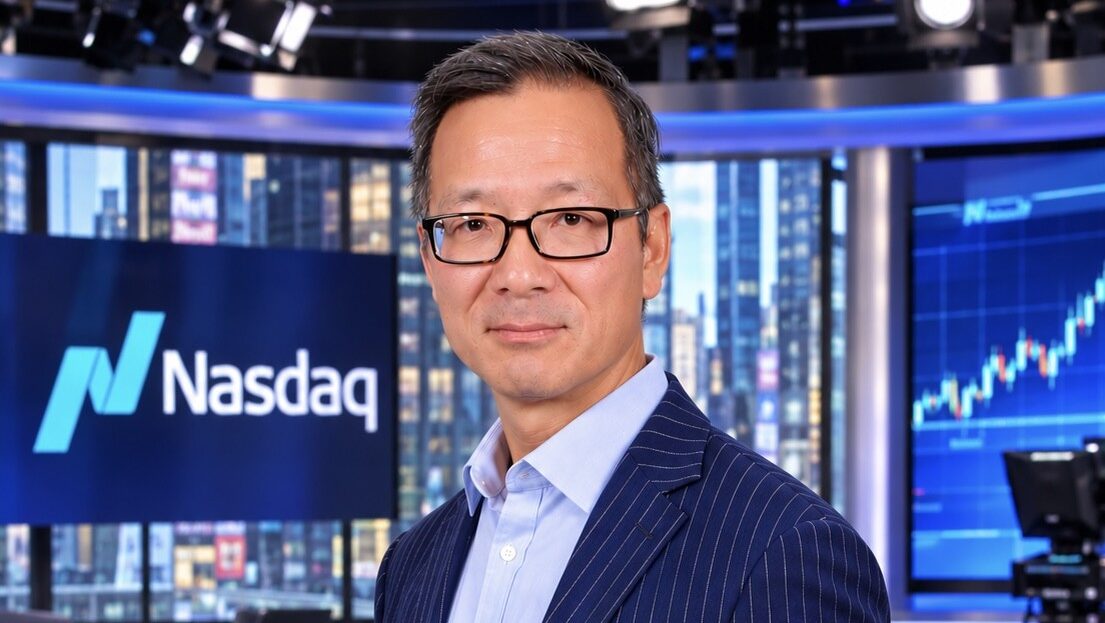
BlackRock CEO Larry Fink’s annual letters to chief executives have become something of a clarion call for social change in the corporate world, as the head of the nearly $7 trillion investment management business has tried to explain that “embracing purpose” is good for business.
In this year’s letter, Fink has gone a step further—tackling the crisis of climate change, which he believes will upend the world of finance.
“Climate risk is investment risk,” he wrote in the letter, released Jan. 14. “In the near future—and sooner than most anticipate—there will be a significant reallocation of capital.”
Fink argued that sustainability, and climate-integrated portfolios, can provide better risk-adjusted returns to investors—and that BlackRock’s clients want them. As a consequence, he said that BlackRock will be getting out of coal investments while launching new investment products that screen fossil fuels.

The gigantic financial institution, which invests in virtually every public company as a result of its ETFs and index funds, has recently found itself the target of activists picketing its offices to demand more action on climate change. “Young people have been at the forefront of calling on institutions—including BlackRock—to address the new challenges associated with climate change. They are asking more of companies and of governments, in both transparency and in action,” he wrote.
Fink, who is looking ahead to the time when millennials will be running the corporate world, freely admits that “BlackRock itself is not yet where we want to be.”
In the meantime, BlackRock’s size and Fink’s prominence in the world of finance may help change the conversation—and behavior—of other investors and corporations in the U.S. and beyond.
BlackRock has already joined with other companies and countries in tackling the topic of climate change at a time when President Trump and the Republicans in Congress are moving in the opposite direction—slashing environmental regulations and exiting the Paris Agreement on climate change.
For example, BlackRock was a founding member of the Task Force on Climate-Related Financial Disclosures. This year, Fink said, BlackRock will ask the companies it invests in to make more disclosures on climate-related risks in line with that group’s recommendations.
And Fink issued a warning to those who ignore the issue, saying BlackRock is likely to vote against management and board directors if not enough progress is being made on climate change at their companies.
In the letter, he also raised provocative financial questions that haven’t been at the forefront of the discussions about climate change. “Will cities, for example, be able to afford their infrastructure needs as climate risk reshapes the market for municipal bonds? What will happen to the 30-year mortgage—a key building block of finance—if lenders can’t estimate the impact of climate risk over such a long timeline, and if there is no viable market for flood or fire insurance in impacted areas?” asks Fink.
While markets have lagged the public in understanding the risks climate change poses to economic growth, Fink says, he also knows that moving to a sustainable world is going to be a complicated and wrenching endeavor. The world still cannot live without its fossil fuels—nor apparently can BlackRock. Last year the IPO of Saudi Aramco, the Saudi Arabian state-owned oil company, became the biggest ever achieved, with a market cap of $2 trillion. According to Bloomberg, BlackRock is its largest outside investor.