
Like so many newcomers to Venice, Nadia Frisina finds inspiration, and becomes productive, by getting lost.
“I love walking through the small alleys, through the tiny markets, and among the vegetable and fruit stands. I always see something interesting, some new mushrooms or a kind of greens,” says Frisina, 38, a Sicilian native and the executive chef at Gio’s restaurant in the newly opened St. Regis hotel. “I’ll send photos to my purveyors and they’ll suggest new products to me. It’s like a treasure hunt.”
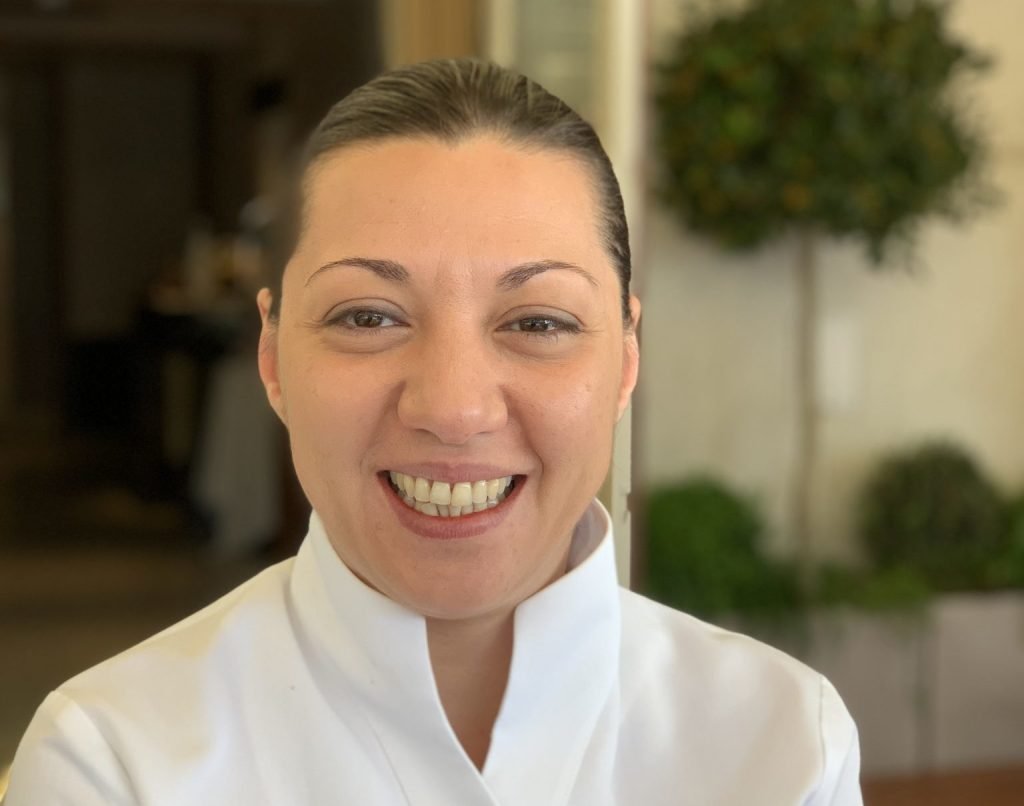
With other innovators in the city’s food, crafts and arts scenes, Frisina, who grew up in the shadow of Mt. Etna and has led kitchens in Vietnam and China, sees herself as part of Venice’s longstanding habit of absorbing outsiders—both from foreign countries and from other parts of Italy—into its revered traditions.

Venice, with the passage to the lagoon and the multicultural trading, is reminiscent of Sicily.
“I knew Venice was international, but the link with our Sicilian food is a marvelous surprise,” she says. “Just as Venice was inhabited by the Turkish, Sicily was dominated by the Turkish, so we have similar recipes: Pasta bigoli, a poor person’s pasta that doesn’t usually have eggs and is made with squid ink, is similar to what we have in Sicily. Marzipan shaped like fish and fruit, we make it too. You can only find it in Sicily or in Venice. Venetian sarde in saor (sweet and sour sardines) is like our sarde beccafico. Venice, with the passage to the lagoon and the multicultural trading, is reminiscent of Sicily.”
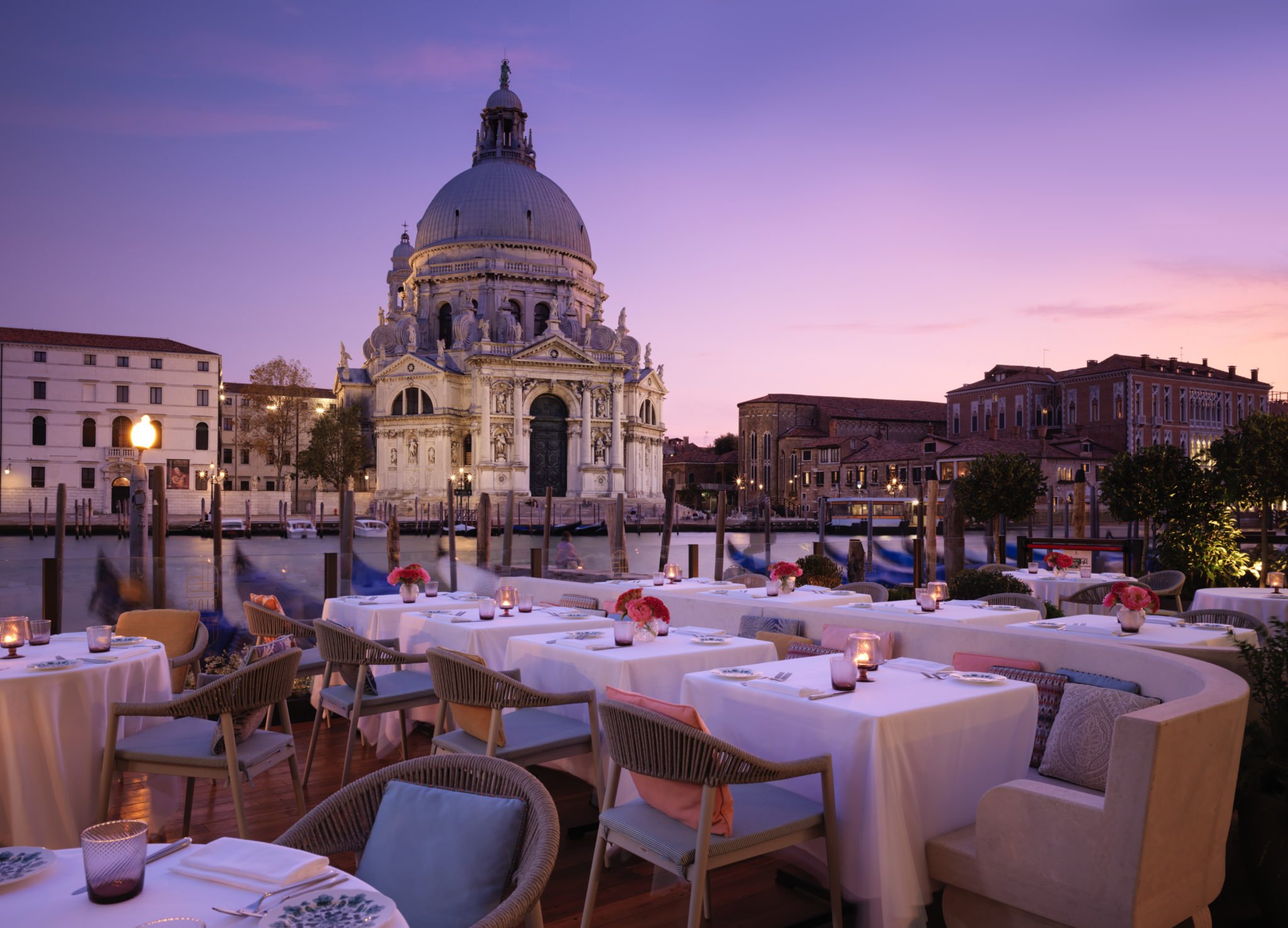
The hotel where Frisina holds court—a two-year, multi-million-dollar renovation of the Westin, which was itself an amalgamation of five Venetian palazzi, the oldest dating to the 1600s—deftly mixes new sensibilities with an august heritage. The buildings hosted Grand Tour grandees like the painters John Singer Sargent and Claude Monet. As the Grand Hotel Britannia, the structure was the first in Venice in which every room had electricity. It also had a rose garden, which the St. Regis has restored, allowing guests to sip spritzes from a custom made trolley while admiring the iconic Grand Canal views of Santa Maria della Salute church, built in 1631 as the city struggled with the plague, and Punta della Dogana, a 17th century customs house turned contemporary art museum. The postcard-worthy views evoke a centuries-old Venice, but the hotel’s interiors, designed by London-based firm Sagrada, feel fresh and devoid of any cloying nostalgia.
One of the best details in the public spaces: glass sculptures from Murano’s Fondazione Berengo, which pairs leading international artists with the island’s famous glass artisans. The antithesis of the gaudy swirls often associated with Venetian glass, the 18 works by artists like Jaume Plensa, Vik Muniz and Karen Lamonte prove that in the hands of expert blowers and intrepid artists, glass can be almost fluid, and entirely modern.
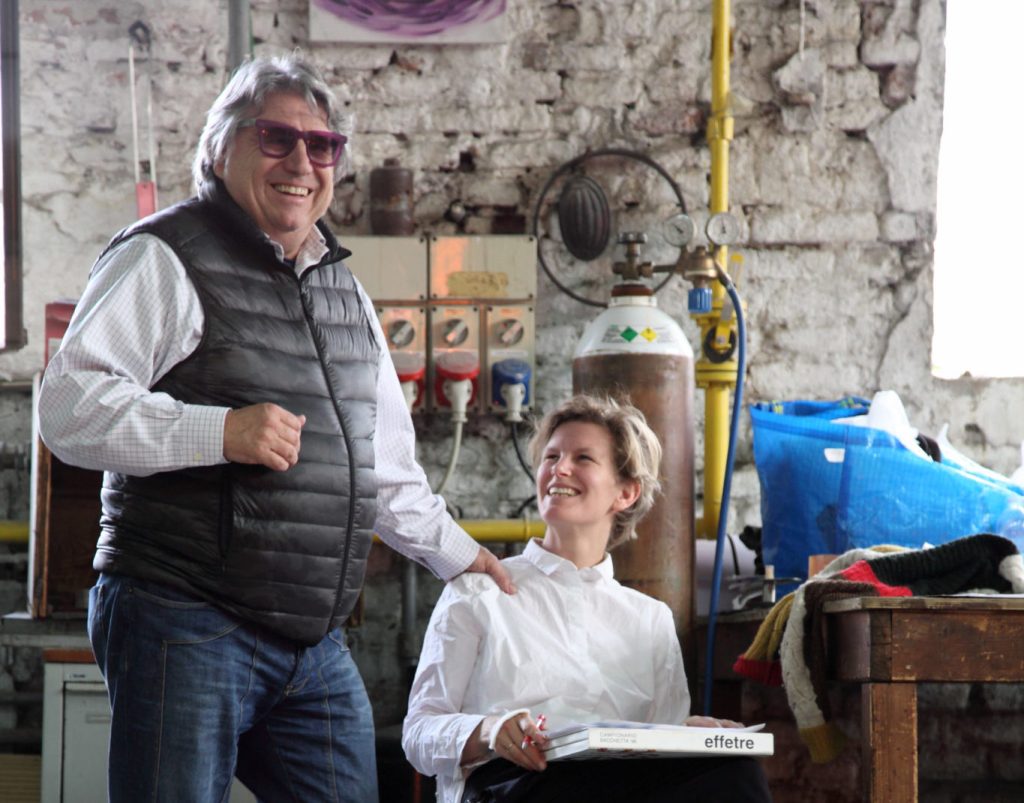
“My mission is to convince the contemporary art world that art made in glass should be counted on the same level as art made in materials like marble and bronze,” says Adriano Berengo, a remarkably young looking 72-year-old native Venetian, as he guides me through Glassstress, the ambitious exhibit he’s organized since 2009 in conjunction with the Venice Biennale. This year’s version showcases works by dozens of blue chip artists like Tracey Emin, Dustin Yellin and Prune Nourry, and was co-curated by Muniz, whose portraits of his daughter, and himself, rendered in thousands of millefiori beads, suggest Chuck Close by way of the Lido. In the glass furnace, artisans are working on a new project for Ai Wei Wei.
Wearing a black Lululemon track suit and purple cashmere scarf, Berengo reflects that he hadn’t set foot on Murano, despite it being a 15-minute boat ride from the center of Venice, until he was 40. Initially put off by the island’s reputation for what he calls “kitsch souvenirs,” Berengo eventually realized that the island’s artisans were still creating exceptional artworks.
“Sadly, over the past few decades, Murano has suffered from the huge influx of tourists. Creative innovation and experimentation in glass aren’t rewarded in the same way as cheap production-line jobs,” he says. “Many glass blowers now work to pander to the market, and we’re working to free them from that consumer-driven model. We want to make art, real art, not something you buy on a whim to stick on your fridge or as a stopper for your wine.”
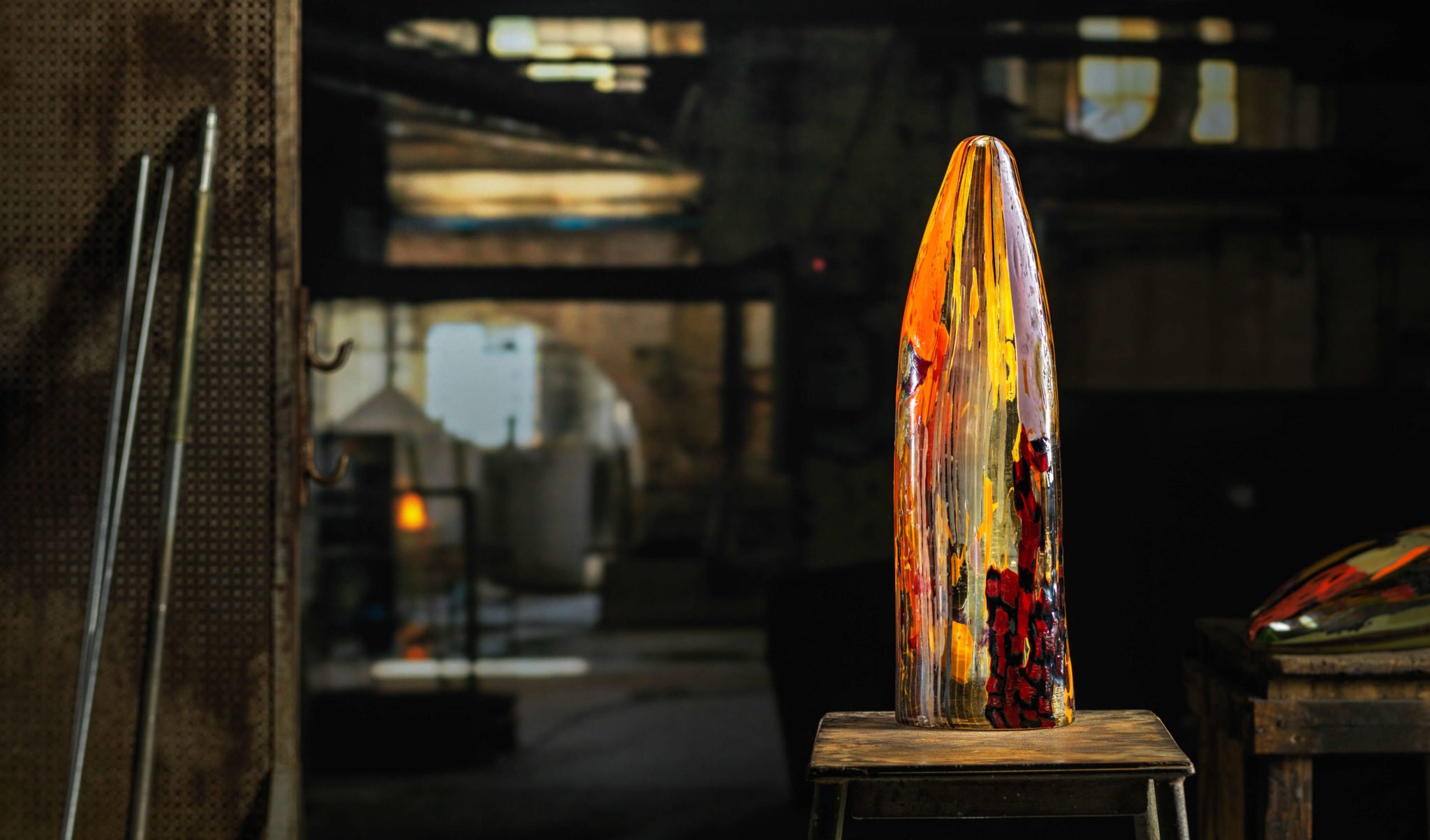
Glass art also draws visitors to the Fondazione Giorgio Cini, established on San Giorgio island in 1951. Housing a former Benedictine monastery and a forest where leading architects have constructed a pop-up exhibit of spiritually-inspired structures, as well as centers devoted to music, scholarship, art history and current events, the foundation is currently exhibiting works by the American artist Thomas Stearns, who collaborated with Murano’s Venini glassworks in the early 1960s.
Across the Grande Canal, the early 17th century Palazzo Mocenigo also mixes the city’s grand history with current, even edgy, aesthetics. Opened to the public in 1985, and expanded as the Museo di Palazzo Mocenigo in 2013, the palace is the apotheosis of Venetian splendor: fresco-festooned high ceilings, lit by opulent, intricate Murano chandeliers; walls upholstered in rich fabrics from the storied Venetian textile firm Rubelli; marble floors laid out in checkerboard patterns. By appointment made on the website, visitors can access the attic’s archives of the Study Centre of the History of Textiles, Costumes and Perfume, featuring clothes and accessories from the 16th to 20th centuries. Among the treasures donated by Venetian noble families: a 1745 silk and whalebone corset with an impossibly small waist, and a 1593 pair of extremely uncomfortable looking parchment-covered wooden shoes, with a bleached donkey leather upper, most definitely designed for sitting.
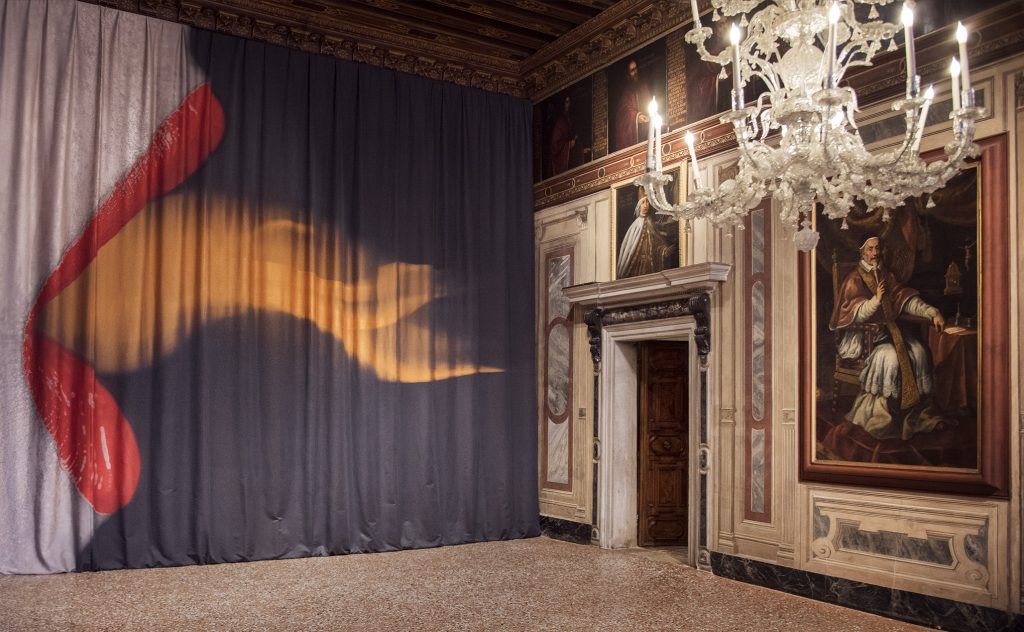
In the public rooms, amid the grand fabrics and frescoes, photographer Brigitte Niedermair’s exhibit Me and Fashion takes a provocative and thoroughly contemporary approach to the female and male gaze. Niedermair removed some of the palace’s original portraits, replacing them with her own fashion and still life photographs and heightening the contrast between the way women are posed in contemporary iconography and their depiction in the palace’s original paintings.
The blurring of past and present happens in other areas of Venice too. On the small and very pretty island of Burano, where 2,700 residents live in candy-colored houses that draw hordes of Instagrammers, octogenarian women (and they are all women) carry on the tradition of needle lace work dating back to the 16th century.
Even in the Rialto, arguably the city’s most touristy area, artisans still produce the textiles and accessories for which Venice is renowned.
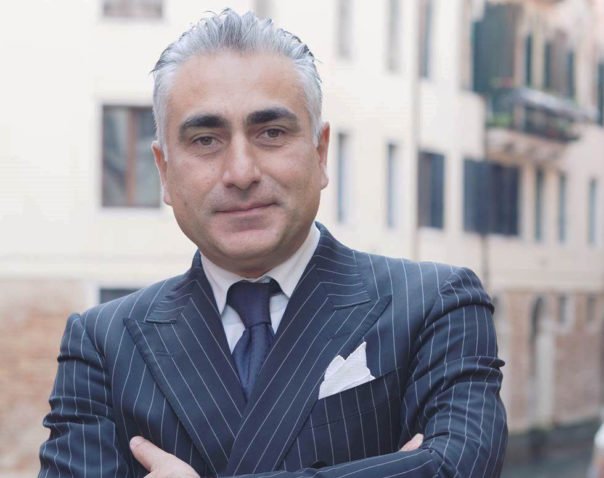
“You just have to know where to look,” says Salvatore Pisani, general manager of the Splendid Venice hotel, who has spent the past 17 years in Venice but was raised on the southern Italian island of Ischia. “Rubelli and Bevilacqua make gorgeous fabrics, and Giuliana Longo still crafts hats for the gondoliers.”
They’ve been joined by newcomers updating culinary practices, in delicious fashion.
Bearded and spectacled, Simone Lazzari opened I Compari a year ago, hoping to unite Venice’s venerable tradition of snack bars called bacari with his own desire for a modern fish and seafood-focused wine bar. A native of nearby Padua who moved to Venice six years ago, Lazzari works behind the bar, chatting with locals and explaining the nuances of the daily raw fish and varieties of bacala (cod fish) to enchanted tourists. A glass case displays rows of cichetti, open faced sandwiches topped with cod, mushrooms and whatever compelling ingredients he finds at the seafood and vegetable market directly outside I Compari’s doors.
“I am not from here, and I love Venice. With I Compari, I am trying to offer what I wanted to find in Venice. We’re tied to traditions, but we bring a touch of creativity,” he says.
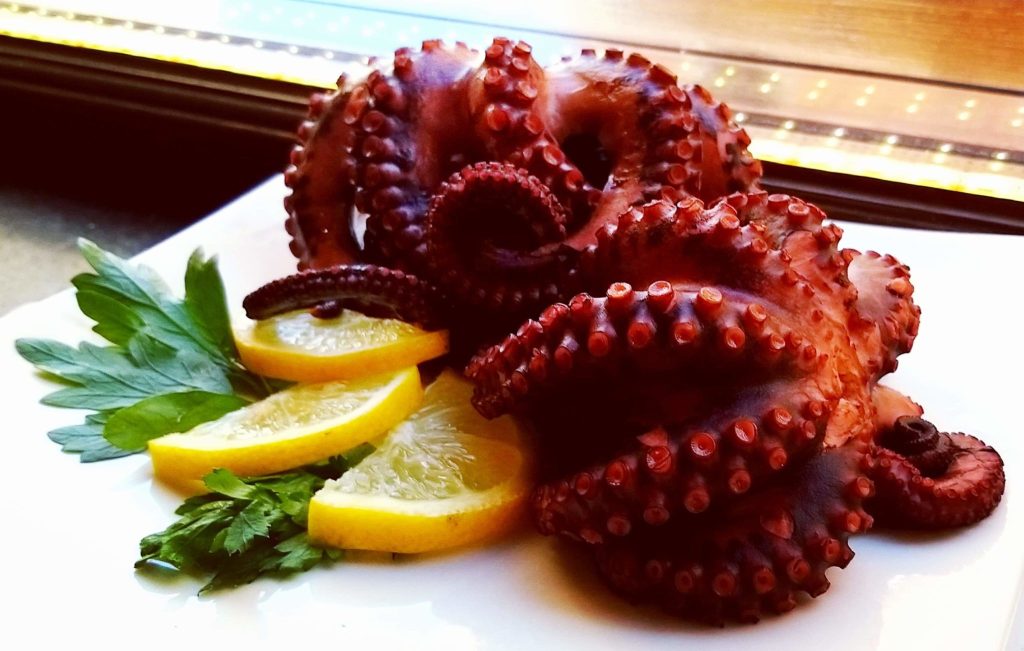
Lazzari’s excellent boiled octopus, seasoned simply with salt, pepper, parsley, olive oil and white vinegar, is typical of his native Padua, but he also specializes in once-common Venetian specialties: maxenetti (baby crabs), bovoletti (baby snails) and, in an exception to his largely pescatarian menu, nervetti, a boiled beef salad served with onions.
“These are difficult to find now in Venice, but we’re committed to always offering them,” he says, tending bar and producing a constant stream of Aperol, Cynar and Campari spritzes. “It’s important to keep the Venetian traditions and atmosphere.”