

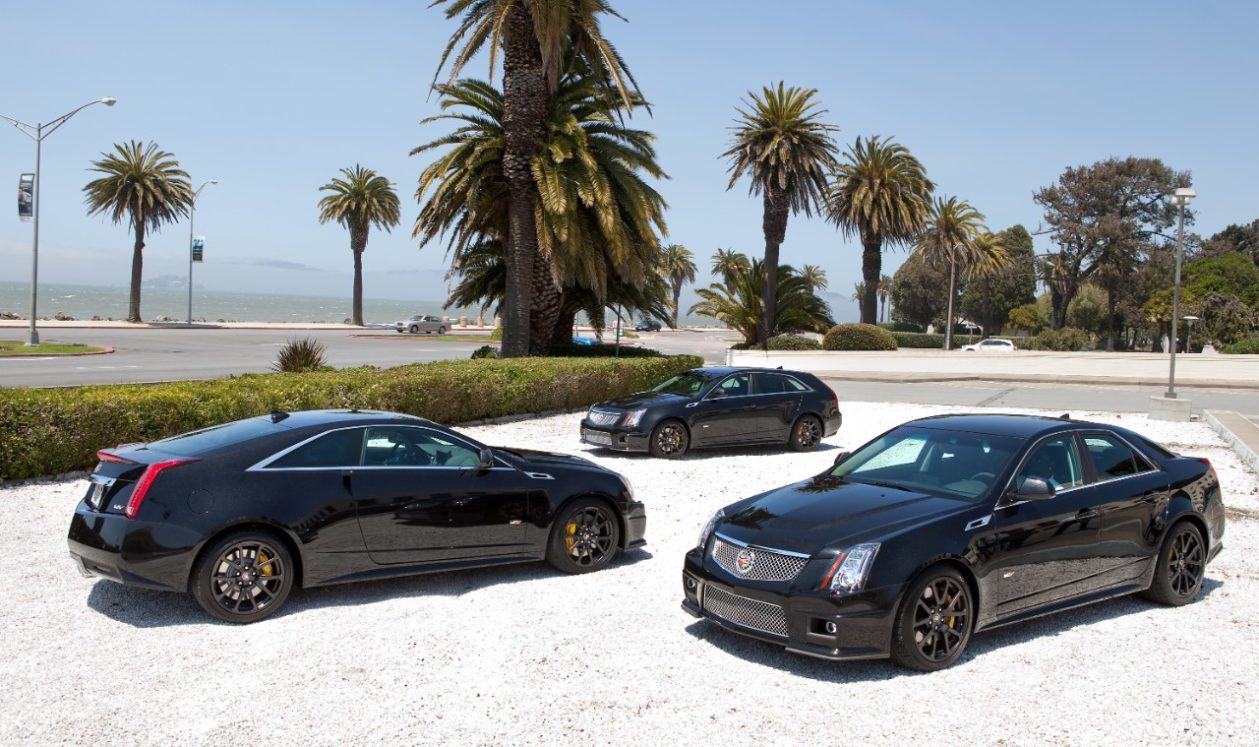
Cadillac has lost its Motown mojo. Lincoln is finding its own.
That reversal of fortune for Detroit’s dueling luxury brands is one of the more surprising developments in cars. These former industry heavyweights were more like punch-drunk fighters through much of the ’70s, ’80s and ’90s, as the Germans and then Lexus stole their customers. But Cadillac had been holding its own of late: Finding great success in China, launching acclaimed, German-fighting sport sedans like the 640-horsepower CTS-V, and winning the baller set with its flashy Escalade SUV. The brand was coming on strong.
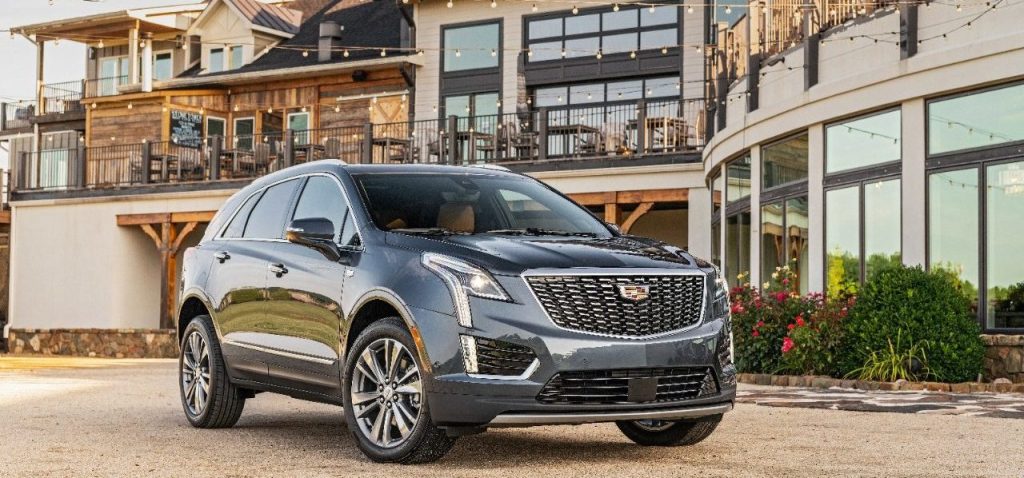
Now, a series of missteps has Cadillac leaking market share again. Caddy was late to the crossover SUV party and is now racing to catch up—but with new XT4, XT5 and XT6 models that seem like bad flashbacks to General Motors mediocrity. Their uninspired styling and middling performance seem unlikely to stand out in a brutally competitive class. A ballyhooed move of Cadillac headquarters to New York’s SoHo neighborhood proved a costly distraction, and helped cost the job of Johan de Nysschen, the high-profile executive who previously led Audi’s spectacular rise in America. (Cadillac is now back in the GM corporate bosom in Detroit). Cadillac is even managing to screw up a rare bright spot: Its semi-autonomous Super Cruise system is superior to Tesla’s vaunted AutoPilot in some key ways, including an infrared driver monitoring camera and geofenced, Lidar-mapped operation (all of which Tesla lacks) that ensures drivers pay attention and keep eyes on the road, even when the car is driving itself on highways. But Cadillac debuted Super Cruise on a lame-duck CT6 sedan that’s going out of production and has been mystifyingly slow to roll it out on more-popular models.

Then there’s Lincoln. Interestingly, Lincoln was created by the same auto pioneer who cofounded Cadillac in 1902, Henry Leland. He resigned from Cadillac in 1917 and founded Lincoln—named after the first president he had cast a vote for—to build Liberty aircraft engines during World War I. Ford plucked the company out of postwar bankruptcy in 1922 and built it into a powerhouse.
If you prefer a European or Asian luxury model, you’re forgiven if you haven’t kept up with Lincoln. It’s been nearly 60 years since President Kennedy was assassinated in his elegant, custom-made 1961 Lincoln Continental limousine, and the news hasn’t gotten much better since. Lincolns became a sad testament to “badge engineering,” one of the dirtiest words in auto design. These were lightly disguised Fords, tarted up with low-grade leather and other cosmetic upgrades. As with Cadillac, which suffered its own ignominies—including the notorious, Chevy Cavalier-based Cimarron sedan—it wasn’t all Lincoln’s fault. Ford was an absent corporate parent, starving its luxury progeny of the investment it needed to build legitimate luxury cars. It didn’t help that Lincoln’s recent products were saddled with forgettable alphanumeric names, like MKX and MKC, that even auto journalists couldn’t keep straight.
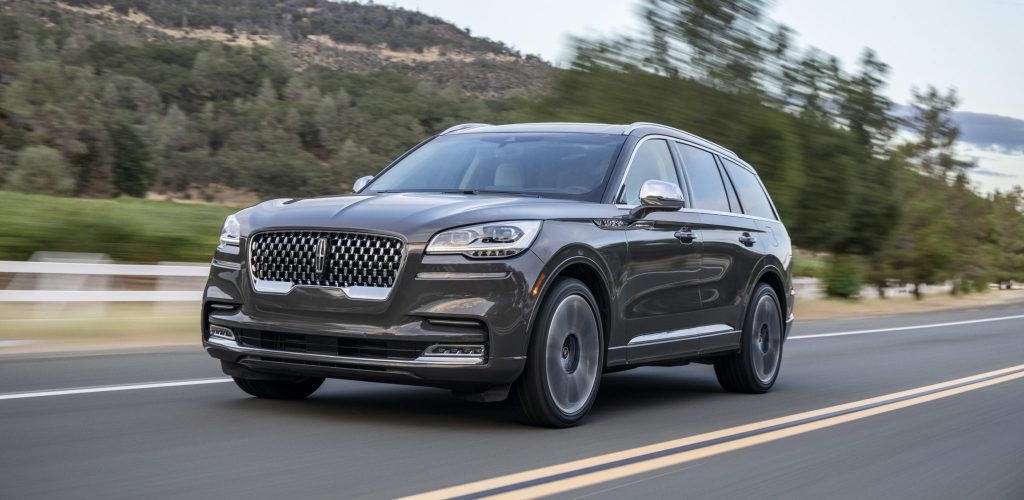
But this seems a make-or-break moment for Lincoln. Its current Continental, and other sedans, are doomed, as they are at Ford, which is ditching every traditional four-door aside from the venerable Mustang. But the brand is finally doing what they might have done all along: Playing up their American-ness, instead of running from it. That includes boldly streamlined exteriors, and shamelessly plush, sparkling cabins that would satisfy the suits from Mad Men. Lincoln’s cosseting, top-line seats bring 30 separate powered adjustments, from massage functions to separate cushion extenders for left and right thighs. In models like the midsize Aviator SUV, the only thing missing is the decanter of Scotch.
That striking Aviator benefits from a classic rear-wheel-drive platform (with AWD added), and an engine mounted longitudinally, instead of sideways as in front-drive models, which lends the Lincoln a sense of motion and elegant proportion that’s rare among bulky family SUVs. And where Cadillac’s midsize XT5 rival settles for a 310-horsepower, naturally aspirated V-6, the Lincoln gets a creamy, twin-turbo, 400-horsepower V-6 that’s the most powerful standard engine in its class. A plug-in hybrid version kicks that to 494 horsepower.
This being a brand that essentially took a three-decade vacation, Lincoln struggles to lure younger, import-favoring buyers to dealerships. So its strategy to carve out a separate niche from the Germans seems smart, especially with practical SUVs dominating sales around the globe. That niche is more about old-school ease, comfort and tech than sporty performance.
As a performance junkie, it pains me to say it, but most people aren’t buying luxury SUVs to slalom through corners. Instead, they’re prioritizing room, a pampering ride and the latest in tech and safety features. A prestigious badge helps—ask Mercedes-Benz or BMW—but Lincoln knows it will take time, and competitive products, to restore their lagging reputation.
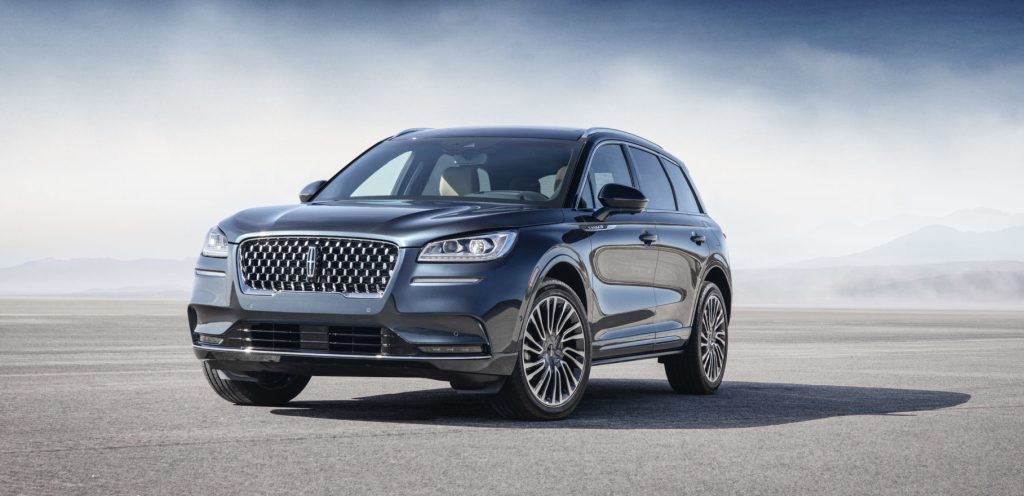
The latest addition is the Corsair, a compact SUV that’s as quiet as a typical Mercedes inside, and loaded with tech. One optional system eliminates a conventional ignition key, with drivers using a smartphone to lock, unlock or remote-start the vehicle, or share secure codes to let family or friends do the same. And while the Corsair shares its platform with the mainstream Ford Escape, most people would never guess it from the appealing styling or interior, just as Audi has done a brilliant job of disguising the common Volkswagen roots of its cars.
The names of these new Lincolns are more evocative as well: Navigator, Nautilus, Aviator, Corsair, rather than a confusing jumble of letters. And where Cadillac continues to dither on the electric front, Lincoln has an all-electric SUV in the works, based on the Ford Mustang Mach E that was among the breakout hits of this year’s Los Angeles Auto Show.
Lincoln’s comeback bid is by no means assured, but early signs are promising. Buoyed by its new models, Lincoln sales shot up nearly 12 percent in the third quarter of 2019, even as Ford brand sales fell by 5.4 percent. The brand named for our 16th U.S. president was on track for about 110,000 sales this year. That’s a fraction of the roughly 350,000 cars Mercedes-Benz will move, and behind Cadillac’s roughly 155,000 sales. But Cadillac’s share of the U.S. luxury market continues to decline. And by finding a door that its dithering competitor left wide open—with more, and more-distinctive SUVs than Cadillac—Lincoln appears to have the jump on its Detroit rival in 2020.