
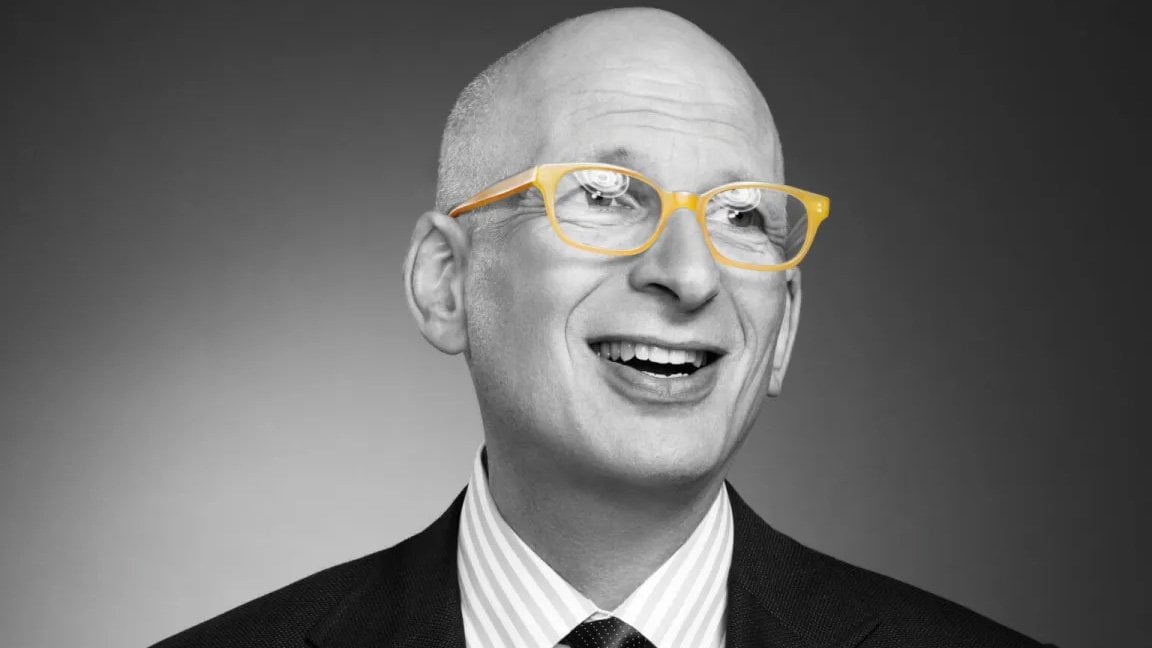
“Change happens slowly, then all at once,” according to Seth Godin, renowned author, entrepreneur, and marketer. Last year, he launched The Carbon Almanac, a quantified collection of facts, anecdotes, and trends marking the current state of climate change across the globe. Now he is back with Songs of Significance, a book that offers a blueprint for how we can adjust to this world of rapid innovation. In it, Godin reflects on the environmental crisis, the race to the bottom in industrial capitalism, and how artificial intelligence is reshaping work and marketing.
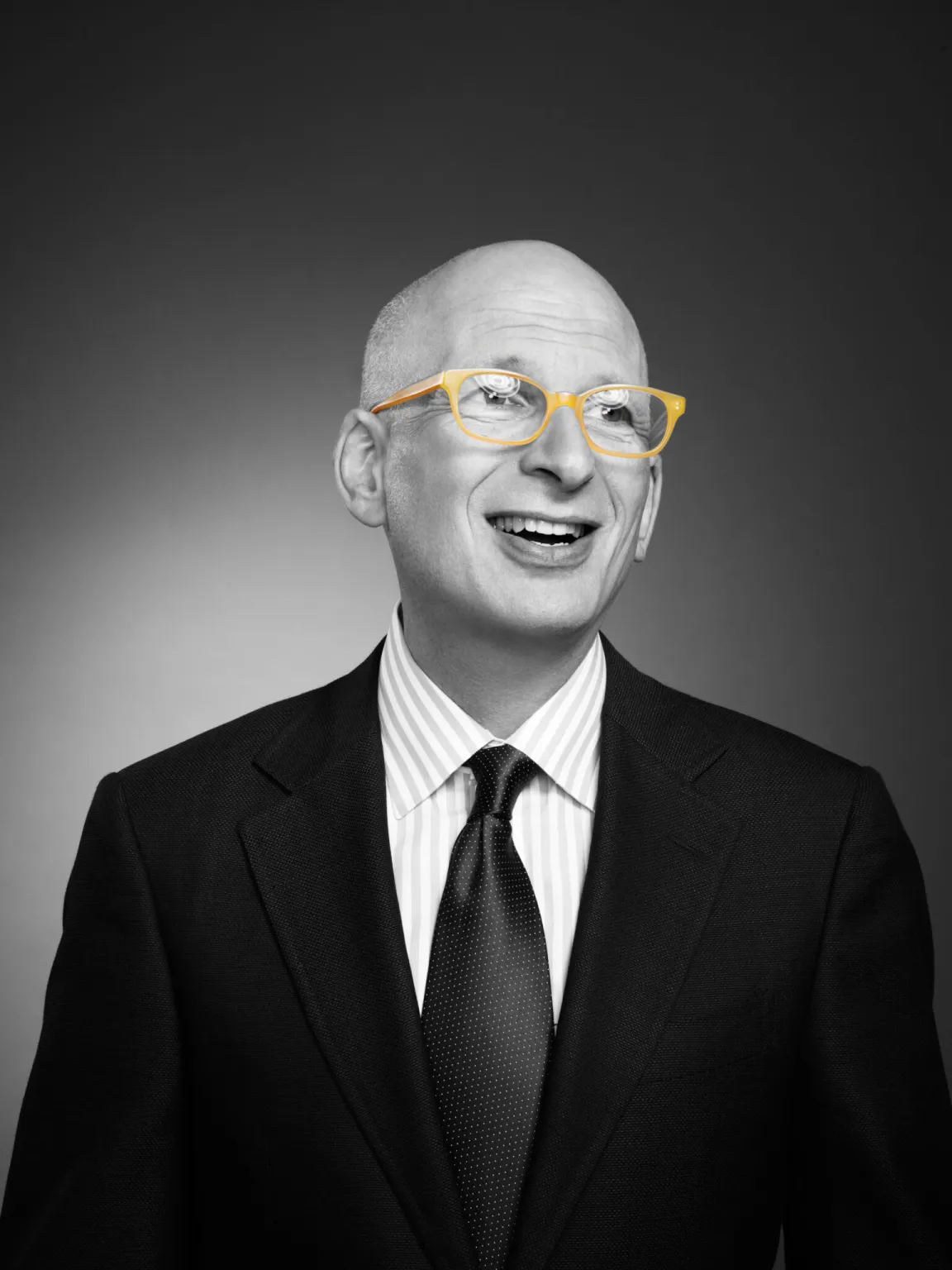
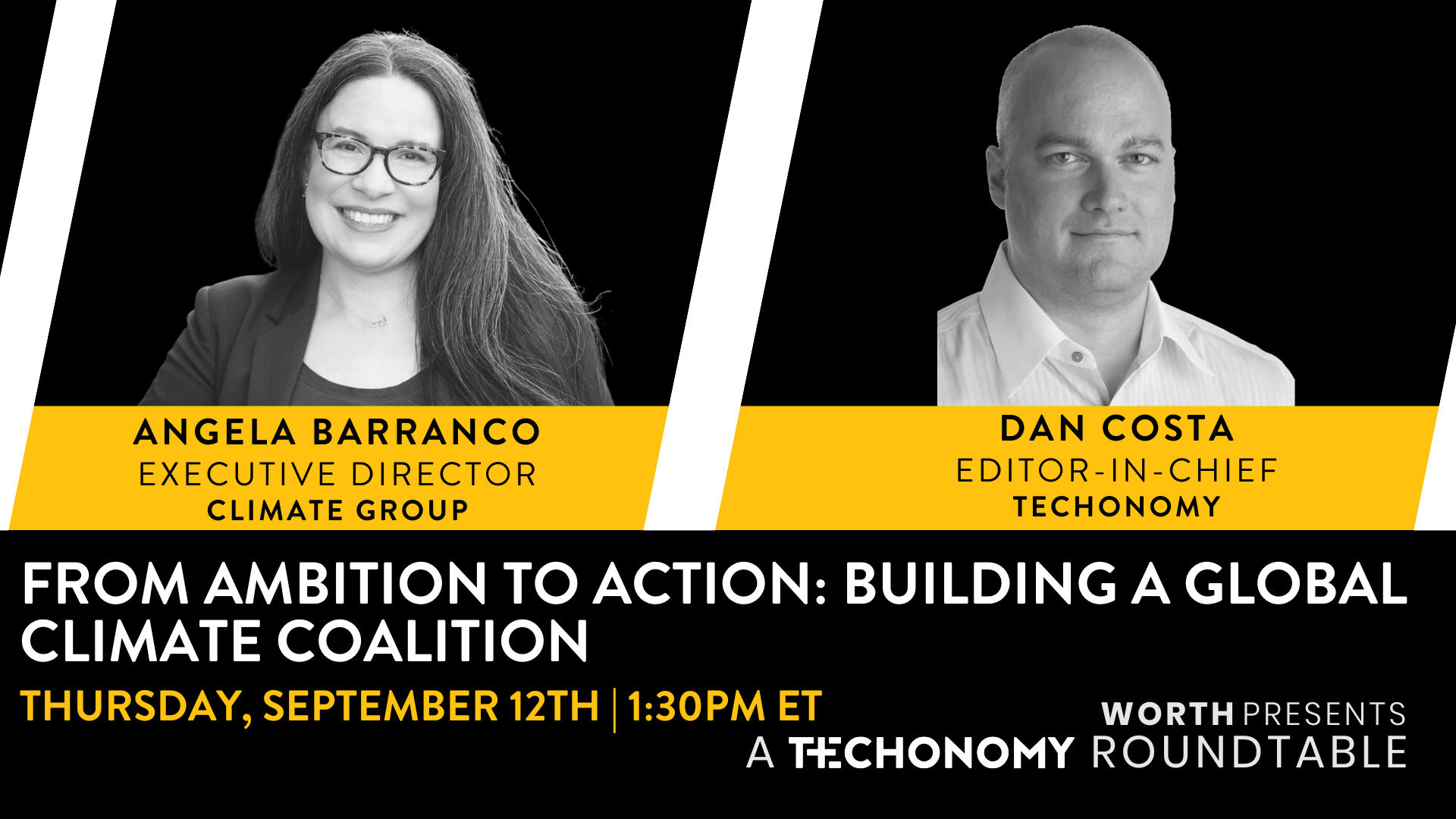
With the discerning eye of a philosopher and the practicality of a world-class marketer, Godin explores how technologies like AI are reshaping our work and daily lives. If you want to see Godin in person, come see him speak at Techonomy Climate NYC: Solutions That Scale on September 20th at City Winery, Pier 57.

Dan Costa: We are approaching the one-year anniversary of The Carbon Almanac’s release. What has the response been like?
Seth Godin: When we set out to build the Almanac, my 300 fellow volunteers understood that a book, all by itself, changes nothing. But it can become a foundation, a building block that people can use to inform conversations, establish standards, and demand action.
We coordinated our actions and helped the book become a bestseller in the U.S. and the Netherlands. It was translated into Italian, Korean, Czech, Chinese, Japanese, and Spanish. The accompanying photo essay has been downloaded hundreds of thousands of times and been seen in every country in the world, and our kids edition has reached students in countries worldwide.
In addition, we won a worldwide award for information design, and have been seen in government offices and libraries as well.
At the same time, it’s heartbreaking to see how easy it is for people to avoid the conversation altogether. When I sat at my local farmer’s market giving away copies on publication day (we set the world record for most authors signing a book worldwide), many of my neighbors politely declined to take one. It’s a heavy topic, and our instincts might get in the way of the better angels of our nature.
Your tagline for the Almanac was “It’s Not Too Late.” Do you still feel that way? How do you feel about the climate progress that has been made in the last year?
By any measure of cultural and technological change, this is the fastest shift of my lifetime, probably in history. I’m not sure if it’s fast enough, but the pace is stunning. We’re seeing a century of industrial dependence on oil being transformed in less than a decade.
Even the uninformed deniers, a small fraction of our populace, are quietly finding other things to focus on.
The world has already crossed a Rubicon. It will never be as it was, and the path forward is going to get untenable for many. But my hope is that the combination of cultural change, generational shift, and technology will open the door for systemic shifts.
But we’re not talking about it enough. Not clearly enough, not often enough.
This is the biggest test we’ve ever faced, but if we face it, I believe we can make a difference.
In your latest book, Songs of Significance, you describe industrial capitalism as a “race to the bottom” in terms of exploiting human productivity. Can you explain that?
Leverage is at the heart of what Worth has always talked about. How can we take our effort and multiply it into productivity and wealth?
More simply, leverage involves borrowing money to buy machines to maximize productivity, which makes enough money to pay back that money.
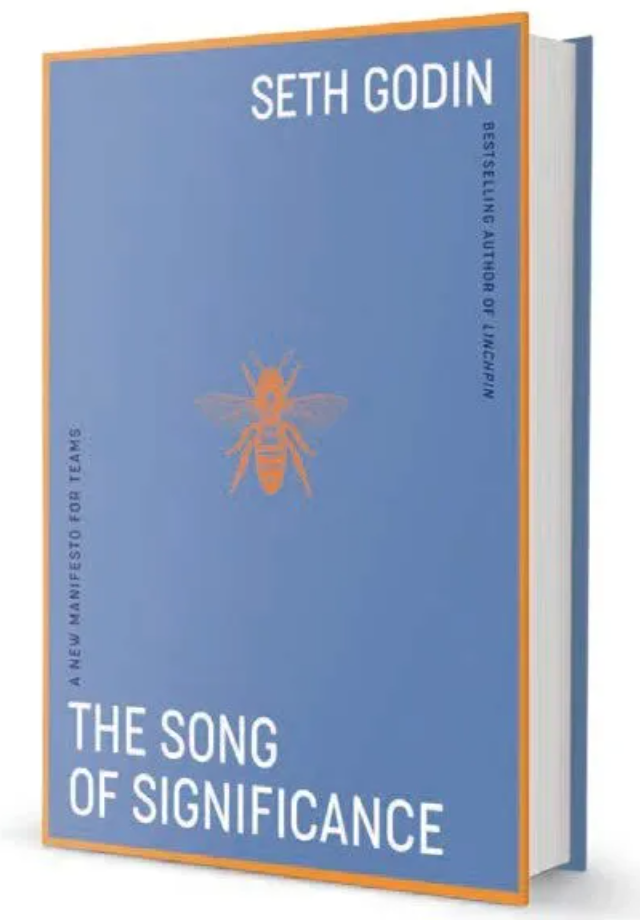
Unfortunately, this new regime has classified humans as machines—simply a resource. If we use a stopwatch and surveillance, we can figure out how to improve human output and decrease labor costs. And if we can do it just a little bit more than our competitors, we have a competitive advantage we can leverage into even more of a lead.
So some organizations view human work as replaceable, employees as disposable, side effects as irrelevant, and the only goal to be the cheapest. A race to the bottom.
The problem with a race to the bottom is that you might win.
The alternative is to be the sort of organization that races to the top instead. One that’s built on dignity, delight, and human innovation. The sort of generative institution that customers decide is worth choosing and sticking with. Not because it’s easier. It’s not. Because it’s worth doing.
Now that industrialism has led us all the way to the bottom, it’s not clear we can brutally cut any more corners…the obvious opportunity is to find a new kind of leverage, the leverage that humans and insight and innovation can bring.
What happens when technologies like AI get added to the mix?
When they introduced the steam shovel, the ditch diggers were understandably upset. But many figured out how to use the new tech instead of being threatened by it.
AI is a very powerful tool, one that is replacing mediocre (average) output as fast as it can. And so the choice: Create work that AI can’t do or put AI to work for you. If an AI can be trained to do your job, it’s really unlikely you can win that competition.
The good news is that in the last fifty years, we invented more than 7 billion jobs, mostly as the result of innovations in technology. I’m optimistic that AI is going to make a positive difference in our work lives, but it will be a bumpy journey.
You are known for many things, but one of them is being a world-class marketer across multiple media and platforms. How do you see AI shaping the marketing landscape?
Mediocre marketing is something AI is already good at. Lousy copy, artless photography, programmatic spam. All of that is going to get far more common, intrusive, and annoying.
For a long time, industry has tried to make all humans into cogs in the machine. Not just workers, but consumers.
At first, AI will be just another brick in that wall. But we’re already seeing that when a person decides to see another, to actively engage, AI can’t possibly compete with that.
Both of these books, directly or indirectly, call for a significant adjustment in how we see ourselves and our culture. How optimistic are you that humans can make these kinds of changes?
I keep my canoe on the Hudson River, in a boathouse that was built in 1870. Try for a second to imagine the world those folks lived in. In “just 150 years,” we rewired the human condition—and we still have a lot of work to do.
The next twenty years are going to see even more changes than our grandparents experienced in their entire lifetimes. Some for the worse, many for the better.
Here comes the change. Are we willing to talk about it?