
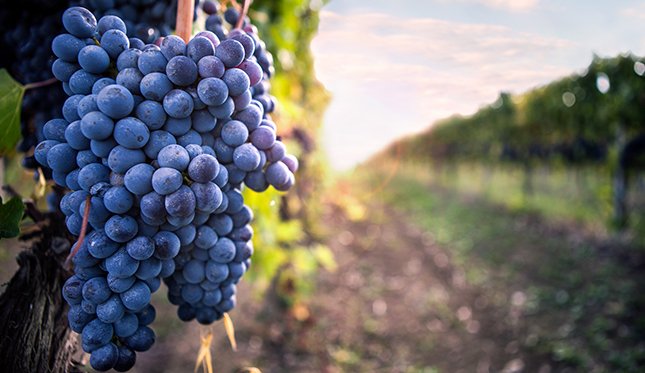
At a banquet prepared by acclaimed Italian chef Massimo Bottura for President Barack Obama in Tuscany last May, there was no lack of choice when it came to selecting an all-star roster of wines from the country’s prized vineyards. Not surprisingly, a trinity of sublime reds—a Brunello di Montalcino, a Barolo and a Sassicaia—made the final cut. But so did a Sagrantino, the muscular Umbrian wine from the village of Montefalco that has become a cult favorite among oenologists, sommeliers and celebrities looking for bold new power sips.
With its inclusion at the Obama fête, it looked as if Sagrantino might be ready for its close-up, perhaps even becoming an obsessive collectible in the next decade, just as those other robust Italian reds, the Super Tuscans, were in the 1990s. Certainly Sagrantino prices can compete with the Super T’s: The Sagrantino served to Obama, the 25 Anni 2010 from Arnaldo Caprai, sells for $100; its Spinning Beauty 2006 is $300; and Wine Spectator ratings of the wine from top producers frequently rank 90 points and above. But enthusiasts and vintners are quick to note that Sagrantino, the elixir of a stubbornly quirky grape, is an exacting wine to produce, hence its limited production and its cognoscenti status.

Don’t think you’re behind the oenological curve if Sagrantino isn’t in your wine cellar yet. It’s a relatively new wine, although one with a deep and complicated history. Historians believe Pliny the Elder referenced the grape in the first century, and it’s been made in various forms since the Middle Ages. Modern Sagrantino as a stand-alone wine dates from the late 1970s, and it earned a DOCG (Denominazione di Origine Controllata e Garantita), Italy’s guarantee of authenticity, in 1992.
While the number of Sagrantino cellars in and around Montefalco, the wine’s epicenter, has increased since then, the vineyard area permitted for DOCG wines is still small—roughly 1,507 acres. “The demand is constantly growing, which is why we have increased production, but the number of bottles for a DOCG Sagrantino is contingent on the territory limits,” says Alessandro Lunelli of the Lunelli Group, whose Umbrian estate has been making Sagrantino since 2001.

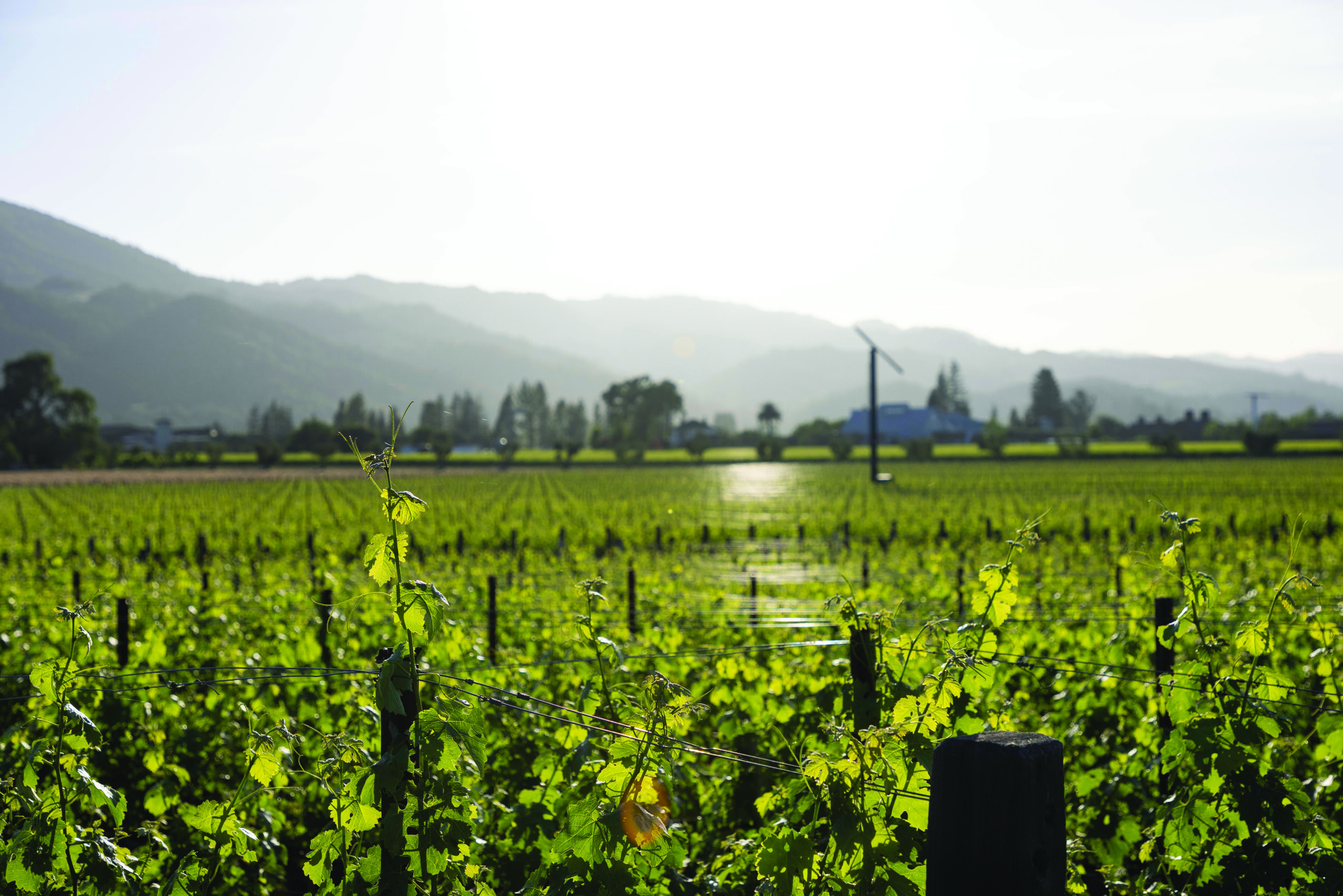
Another factor is the nature of the grape itself, a high maintenance, low-yielding vine that requires a long growing season. Sagrantino is typically harvested by hand toward the end of October—much later than the August and September harvest of other varietals. “It’s a slow vine and slow wine,” says Donatella Adanti of winery Cantine Adanti in Bevagna, referring to both the growth cycle and the lengthy maturation process needed for one of the most tannic, if not the most tannic, grapes in Italy. “It’s worth waiting a long time to let it be a great wine.”
Getting the tannin component right in the vineyard and cellar is the challenge for every Sagrantino vintner. But finding that equilibrium is essential—the early rap on Sagrantino was that it was too rustic and strongly tannic to make it into the big leagues. Liu Pambuffetti, whose family owns Cantina Scacciadiavoli, one of the oldest wineries in the region, admits, “It’s not easy to make the tannins less astringent while maintaining the personality of Sagrantino.”
The current generation of vintners, like Pambuffetti, has worked hard in the last decade to refine the wine while keeping the essence of the varietal. “I strongly believe that a wine has to be an expression of the territory it comes from,” says Chiara Lungarotti, CEO of Lungarotti Group, a renowned winery credited with making a variety of Umbrian wines known worldwide. “Sagrantino is a fantastic varietal, but being one of the richest in the world in terms of polyphenols, it is very difficult in the vineyard as well as in the winery.” The right cellar alchemy tames tannins and brings out the wine’s many nuanced notes, which have been described as tasting like everything from cotton candy and incense to the more typical descriptors such as fruit, licorice and spices.
Since quantity is restricted, producers have focused on making distinct wines for their labels. “There is a vast difference stylistically from producer to producer,” says Jenni Guizio, wine director at Danny Meyer’s Maialino, a Manhattan restaurant that has carried Sagrantino since its opening in 2009. “For example, Paola Bea’s wines couldn’t be more different from another benchmark producer like Arnaldo Caprai.”
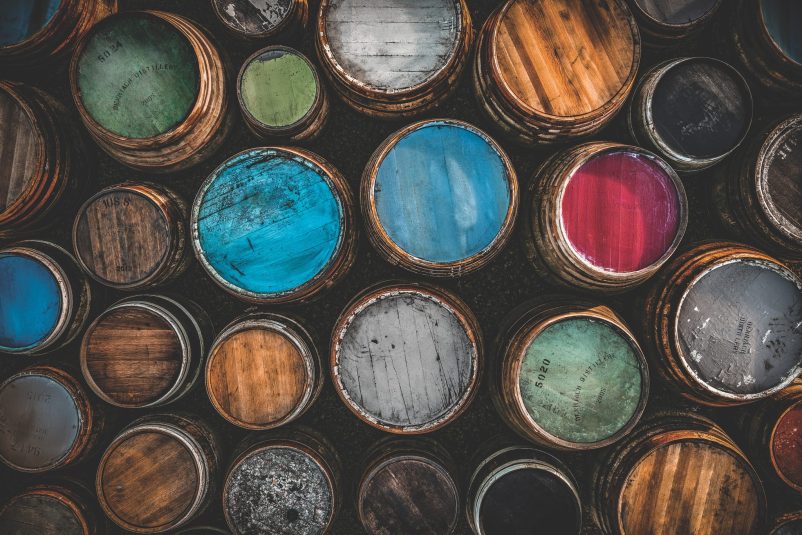
Sagrantino matures slowly—the average time is 10 to 12 years—so some Sagrantino vintners have been working to bring younger wines to the market. “Over 70 percent of Sagrantino production is obtained from very young vineyards,” says Alessandro Meniconi, winemaker at Azienda Agraria Perticaia in Montefalco. “We are trying to have a wine that can be appreciated even when young (a minimum of 30 months aging is required by law). We’re getting fruitier wines that are ripe with pleasant floral notes.” Sommeliers in the U.S. are responsive to the efforts. “A later harvest and aging in large oak barrels instead of barrique [a small Bordeaux barrel] helps soften the tannins and makes this wine more approachable earlier,” says Marika Vida, consulting sommelier at Ritz-Carlton New York, Central Park and owner of Vida et Fils Wine Consulting.
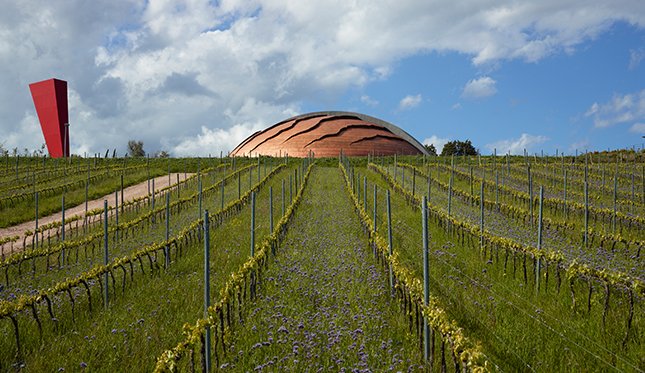
For some vintners, like Annalaura Tili of Tili Vini, an organic winery outside Assisi, the challenge is making Sagrantino known to her generation of millennials, who now make up close to half of all wine drinkers in the U.S., according to the Wine Council. Tili believes in traditional wine tastings, rather than social media, to spread the word about the family’s wines. “This bring more results, and lasting ones, too,” she says. Sagrantino tastings at Eataly USA, the behemoth temple of Italian food and wine that has carried Sagrantino since it opened in 2010, have helped spread the word across in the U.S. (Eataly’s famed chef and partner Lidia Bastianich recommends drinking the wine with a hearty mushroom risotto.) While Sagrantino is still relatively unknown in the New York market compared to other regional wines, according to Dan Amatuzzi, national beverage director for the company, “People who know it definitely ask for it again and again.”

Marco Caprai, who has made the development of Sagrantino his life’s work, doesn’t seem concerned about the wine’s lack of ubiquity, presidential luncheons notwithstanding. The good news is the tightly controlled vineyard area for DOCG Sagrantino has quintupled in size from 2000 to 2016. So while “the wine still needs time to be discovered,” he says, “we are very positive looking at the growing interest. We are sure that in a few years Sagrantino will become a competitor to many well-known Italian wines.”
Get to Know Sagrantino by visiting these seven wineries.
SaveSave