
Beks Ndlovu’s evolution as a luxury safari hotelier is more remarkable than most. Raised in a small village on the fringe of Zimbabwe’s Hwange National Park, he started his 25-year career in the bush as a parks guide. Becoming more aware of the impact (for better or worse) of the safari tourism ecosystem, Ndlovu took a more hands-on approach to matters of conservation and community and launched African Bush Camps, an award-winning upscale safari camp collection—and one of very few owned by Black Africans on the continent—with 16 lodges in Zambia, Zimbabwe and Botswana.
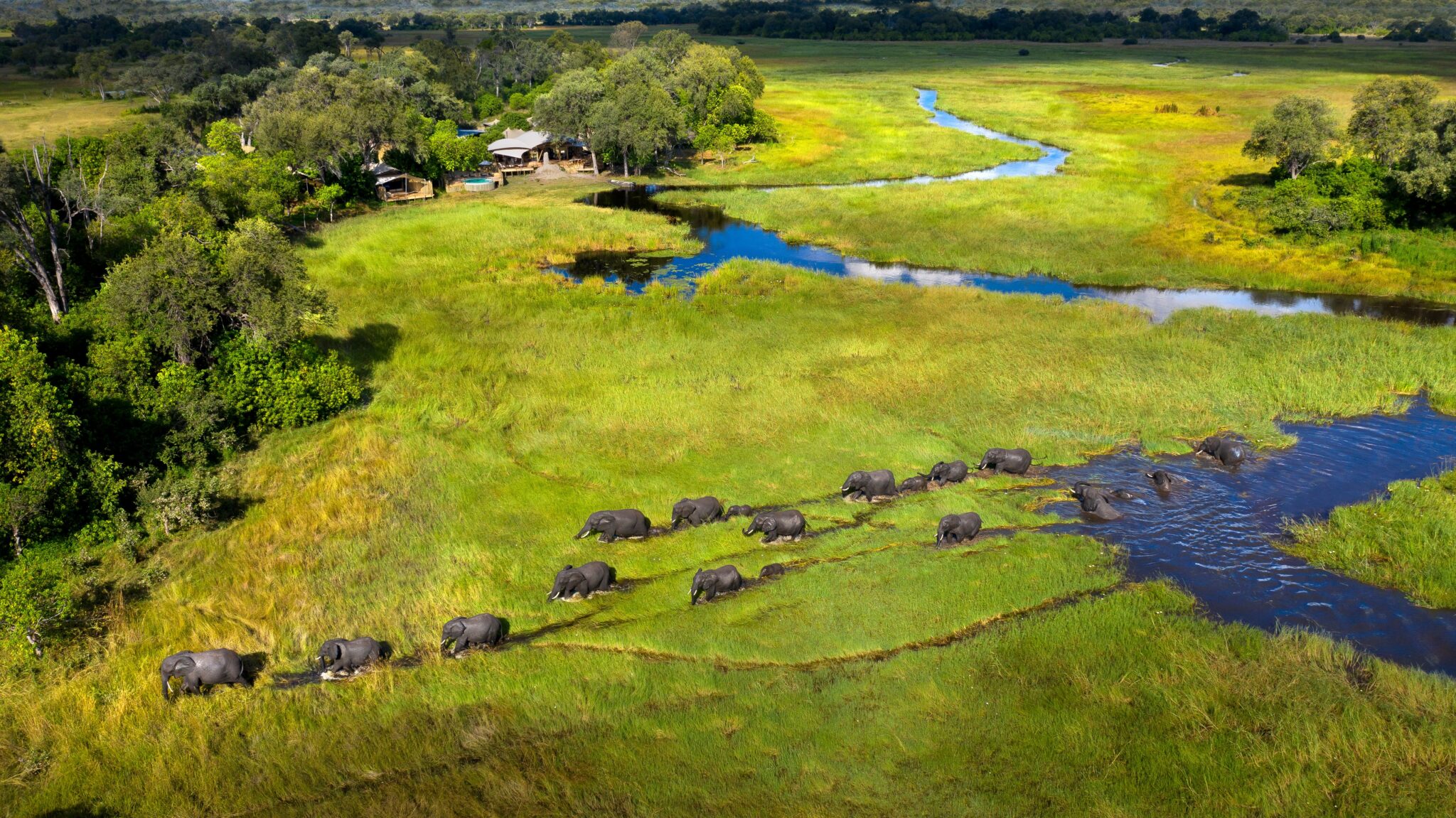
In spite of the pandemic’s devastating impact on African tourism, his sustainability-driven company opened the contemporary tented camp Khwai Leadwood in early 2021, sat on Botswana’s lush Okavango Delta.
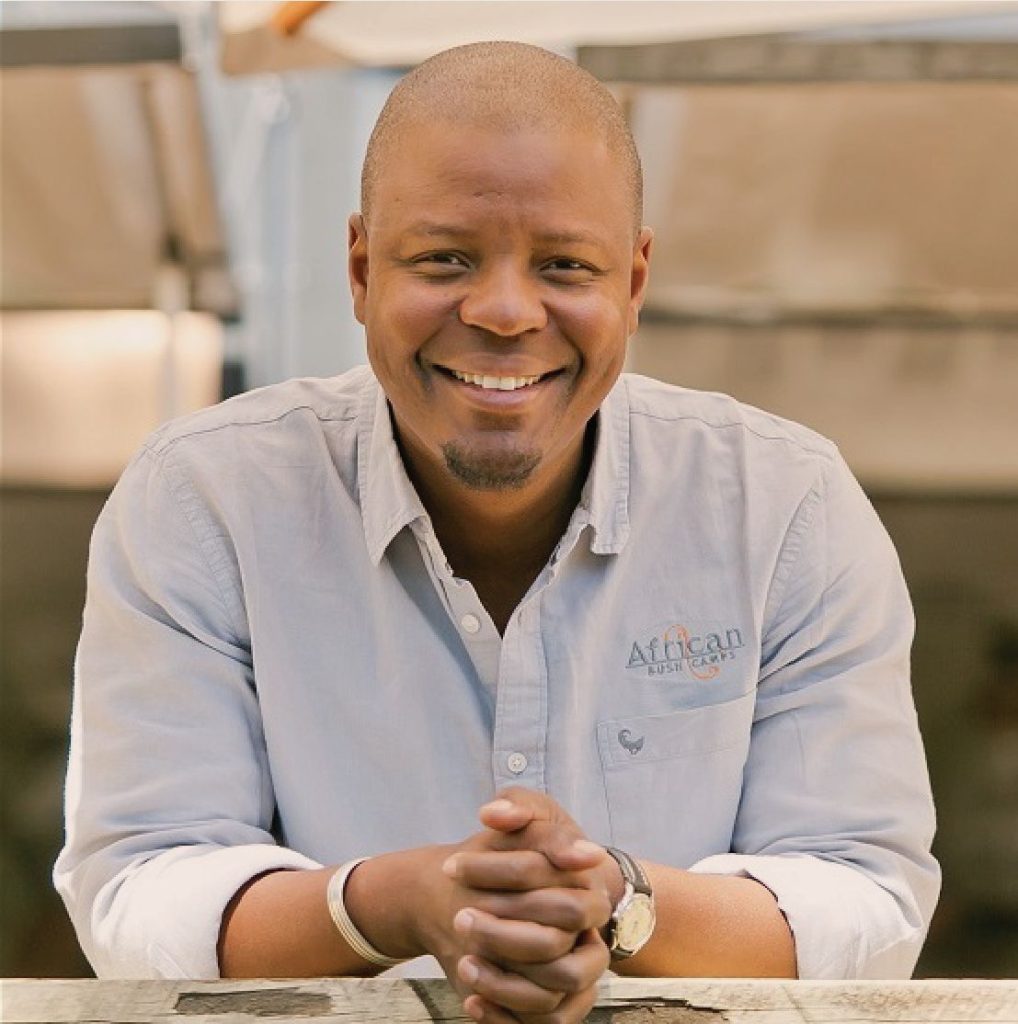
Celebrating 15 years as a trailblazing safari CEO, Ndlovu talked to Worth about his journey as a safari entrepreneur, his nonprofit foundation, diversity in the African tourism space and his ideal future of conservation tourism.
Q: Tell us about the impact the pandemic has had on both your company and the safari parks in which they’re based.
A: We, like most other safari companies, have been severely impacted by the pandemic, and in a year’s time, I expect some companies to disappear from the scene. We don’t know how much longer it’s going to be until we have the international visitors needed to revive our industry. The government-run parks now have fewer resources to protect the land. Through our foundation, we’re doing what we can to counter the damaging effects and divert some of our resources to bolster conservation efforts and extend a hand and take care of the very people that we entrust to look after these wilderness areas.

You started your nonprofit African Bush Camps Foundation the same time you launched your camps in 2006. Why is this a long-term passion of yours?
One of the greatest inspirations for me starting my first camp was realizing that Africa has a lot of challenges, a result from previous dispositions of, basically, a lack of participation in the economic world in order to get out of the poverty cycles in our communities. I asked myself: How can I use tourism as a tool to tackle the health, education and conservation issues? So, it was a natural step to make sure that in tandem of growing this commercial side of the business, we could also grow an entity that would allow us to make the greatest impact.
What would you say has been the greatest achievement thus far in the foundation initiatives you’ve created?
We’ve been involved in over 72 projects since we started the foundation, and we plan to limit our projects moving forward so we can really make a long-term impact on people’s lives.
I would say that the biggest move towards that is our education programs. Having students be able to choose and make the right decisions and understand when we talk about regeneration of land: What does it mean? What does tourism mean, and what is the impact of that revenue stream? That type of education is going to transform people’s thinking.
What do you hope your camp guests, both past and future, take away from the experiences you’ve created with African Bush Camps?
There’s no doubt that when people come to Africa, the first thing on their mind is wildlife and the Big Five. But we hope that by the time people leave the camp, they’ve got a deeper understanding of our people, their cultures and the need to hopefully participate in solving the challenges that Africa has, which in turn are going to be global challenges. Moreover, we want their contribution, or at least them to feel a sense of contribution, that allows them to call themselves our partners in saving the planet.
You’re currently based in Cape Town. What are your thoughts on the new and controversial South African Tourism Equity Fund (a government-backed initiative providing financial assistance to majority Black-owned tourism enterprises to level the playing field)?
I think it’s very positive, and it’s a great opportunity for the government, stakeholders and other fund contributors to go beyond simply handing out capital. They should ensure that there’s adequate training of tourism skills and resources so that the newly welcomed players can actually succeed, making sure that they have a sustainable business model.
During your transition from a guide to a safari hotelier, did you have any Black industry leaders to look up to or seek guidance from?
When I entered the safari industry some 24 to 25 years ago, it was still a very white-dominated industry, and to some extent it still is. I had a lot of good Black guides as mentors starting out—all my mentors were guides because I was training to be a guide and not a manager. But by the time I was looking to learn safari marketing and sales, Black presence in senior levels became fewer and fewer…but that didn’t stop me from learning from others.
What’s been the most important or hardest lesson you’ve learned as an African safari entrepreneur?
Coming from a lack of capital or resources when starting a business can pose a real challenge delivering a quality product. It can also cause you to work with partners who may not necessarily share the same values. In the early days, I got an investor at some point, and over time, it became very clear that there was a misalignment in values. Lines can be very blurred when somebody comes with a big fat check, and it almost cost me the entire business. So, I think understanding what your vision is and what your purpose is and standing firm on your values is a very big start.
What’s special about the new Khwai Leadwood camp, and what can guests expect?
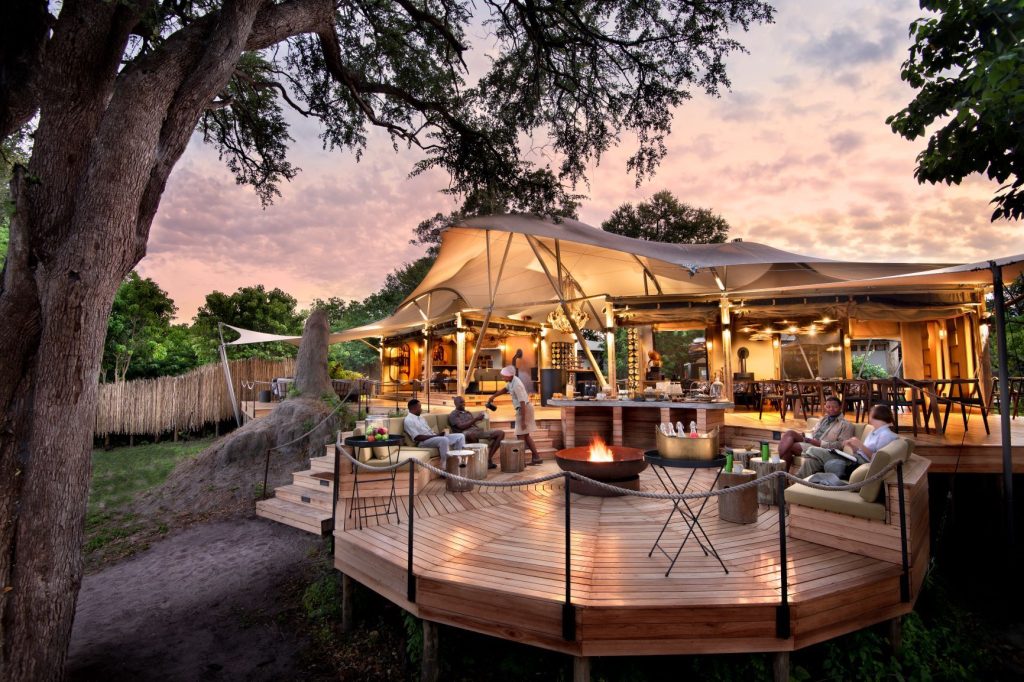
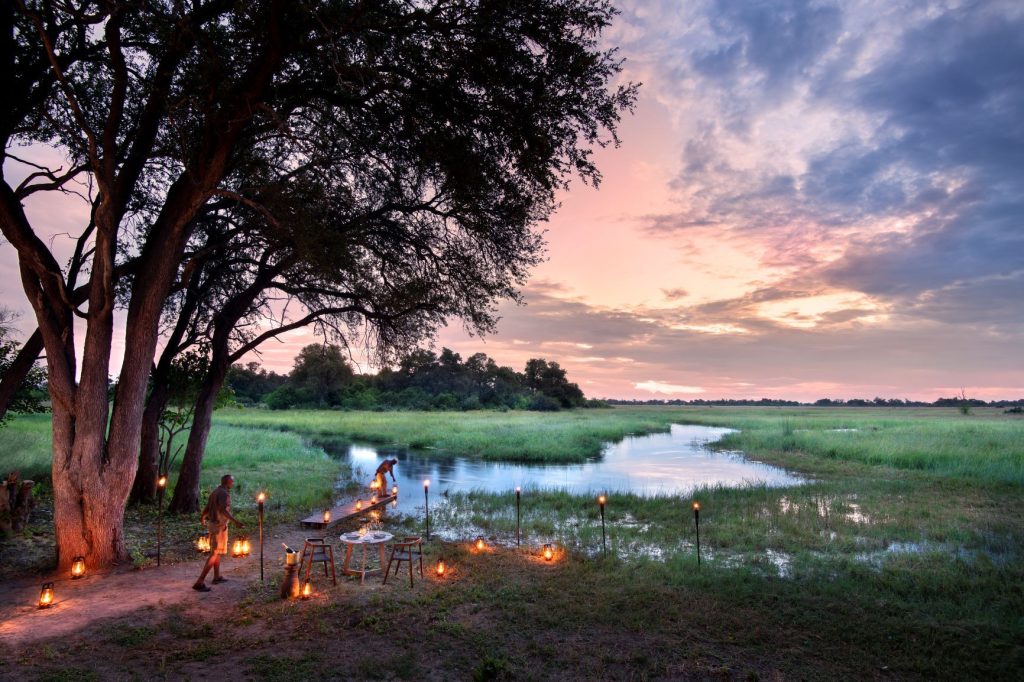
The design is pretty amazing. We had fun making sure that we incorporated some of the local architecture and textures, like basket weaving and designs of traditional Botswana mud huts for the tented camps. It’s on the Khwai River, and you’ll see epic sights of elephants swimming back and forth. Khwai is probably one of Botswana’s prime wildlife areas where you have a great chance of seeing all the predators and big game. There’s a lot of flexibility: You can do night game drives, you can do walks, you can also get on traditional canoes (mokoro) and, of course, tribe interactions with the local community.
Based on where your camps are located, which is your favorite park?
From an aesthetic point of view—and I’m probably biased because I love the diversity of dry land and water—I would probably say Mana Pools in Zimbabwe, and the Khwai Concession area because it’s part of Botswana’s Okavango Delta system. As all-year-round destinations, I’d say those two areas are probably the most striking.
What’s next for African Bush Camps over the next five years?
Pandemic challenges aside, we want to remain in Zambia, Zimbabwe and Botswana, and partner with other lodges in South Africa and Mozambique. We want to limit the number of beds we develop in those three countries, and we certainly don’t want to “take over Africa” as others might call it. We want to really perfect what we do there and have deeper and meaningful offerings and experiences, from a tourism point of view and from conservation and community engagement.
Imagine a perfect world scenario of the safari industry in the year 2030. What would that look like to you?
Doing business with the sort of clientele or guest that sees Africa as not only a place to find restoration, but also as a place of opportunity to learn what the challenges are and how they can contribute to making it a better place. Those types of people would allow us to make a far greater impact in terms of the work of the foundation. This includes the strategic partners who support us, educating their guests that staying at Beks’ camps is encouraged because the work he does on the ground is very important, and that they themselves can contribute. That, to me, would be my perfect world.
For more stories from our recent travel issue, check out the digital magazine here.