
Have we entered a new Gilded Age? Like that late 19th century era, the U.S. is experiencing a growing economy, an intense concentration of wealth and lavishly conspicuous consumption.
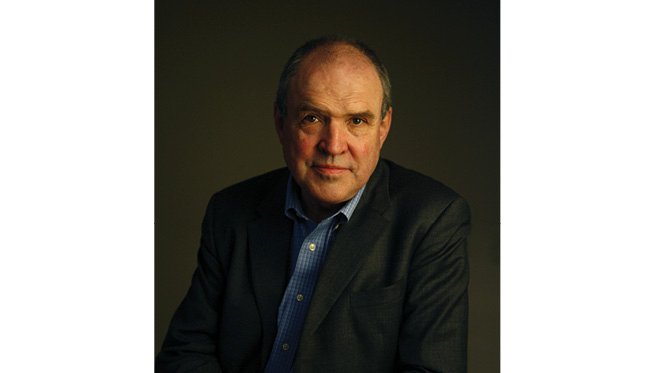
Add architectural trends to that list, says Witold Rybczynski, the eminent architecture critic, author and professor emeritus of architecture at the University of Pennsylvania. While much has changed in residential architecture since the Vanderbilts commissioned homes like The Breakers in Newport, R.I., Rybczynski sees striking similarities between that time and this. Worth talked to Rybczynski about the architectural preferences of today’s affluent, and what they might mean for the future.
Q: How does the current moment in architecture compare to the Gilded Age?
A: Conditions then and now are similar. In the late 19th and early 20th centuries, people who were doing well in business were doing so in heavy industry; now it’s in high tech and communications—but it’s the same phenomenon of acquiring large amounts of wealth, and at least in part, investing it in architecture for their homes. People are still expressing their success through buildings.

Also, during the Gilded Age, there was a wonderful coincidence of money and skill in construction and craftsmanship, and shared taste between architect and client. All of this produces a remarkable generation of residential buildings. That is similar to today.

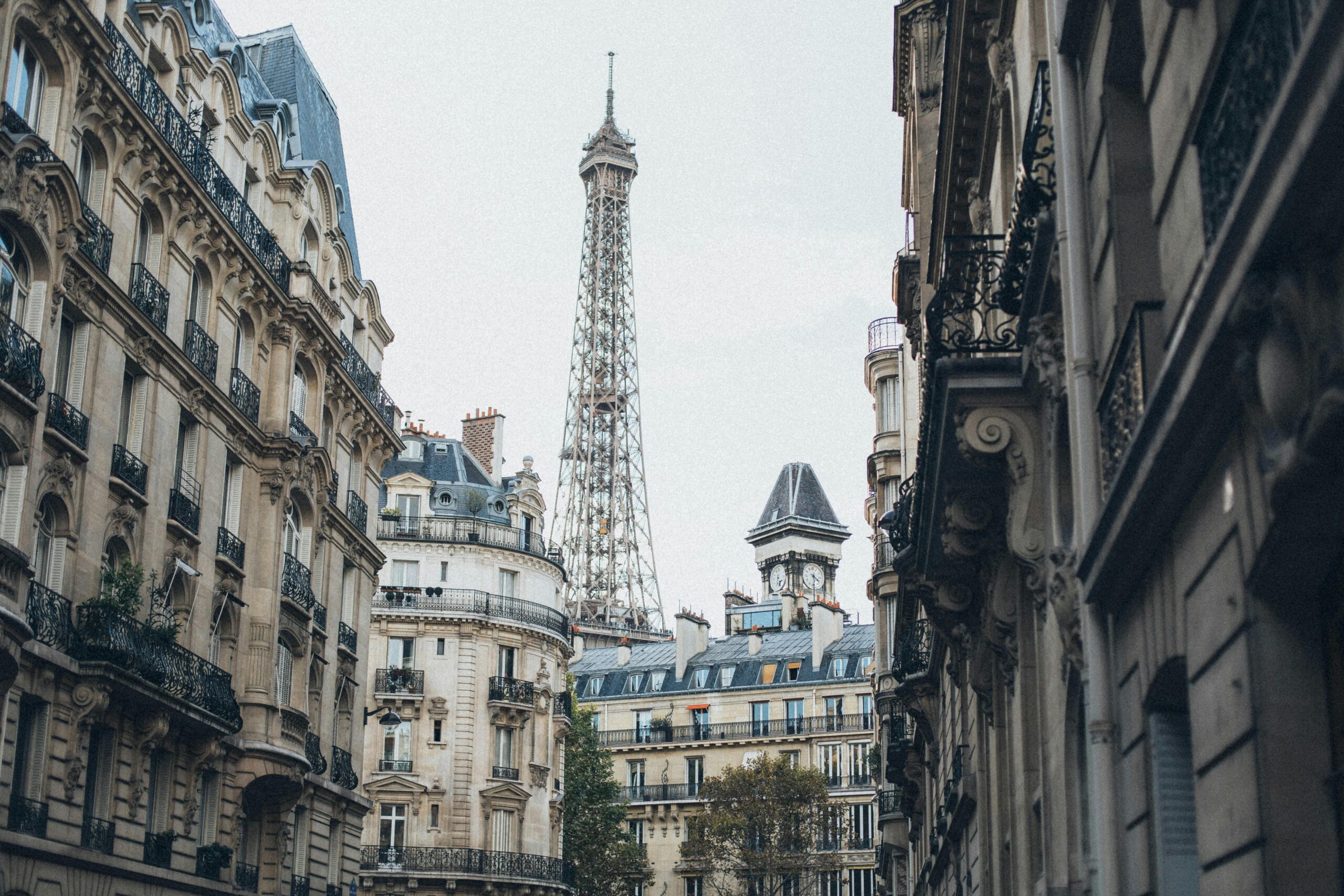
When I went to school, we used to think we couldn’t build beautiful old buildings in the same way anymore. That’s no longer true. There’s actually no difference at all between what you can build today and what you could build 80 years ago—if anything you can do it more environmentally responsibly today. You can build a proper masonry wall with real carvings and complicated brick work, just as you did a century ago.
What is different, then?
Of course, our way of life has changed. It’s much more informal. That’s why a style like Spanish Colonial remains very popular, because it’s very casual. A more formal style, like Renaissance Revival, tends to be less appreciated, and to fit more awkwardly today. If you’re wearing jeans and a t-shirt, and you slop around a Spanish Colonial, you feel right at home. But if you’re sitting next to 40 foot Corinthian columns, you feel and look stupid. You don’t fit.
How did the modern movement in architecture, which emerged in the middle of the 20th century, affect design for the affluent?
Wealthy people have been attracted to modern architecture since its beginning. But the number of very wealthy clients looking for modern houses is relatively restricted compared to people who appreciate old buildings and either buy one, or build a new house that incorporates much of the same architectural language, with references to earlier periods.

If this moment is like the Gilded Age, how long can it last?
The Gilded Age stopped with the Great Depression and then World War II, and people stopped building those great houses. That had a huge ripple effect on the field, on architects and craftsmen, because they ran out of work and had to go do something else. A whole knowledge base disappeared, and that doesn’t simply start up again quickly, which is part of what happened in the 1950s.
I don’t know what’s going to happen in the future, but what’s true is that buildings last a very long time. They’re not like clothing that you change with the seasons. So even if people stop building great houses again for some reason, the existing homes will remain as built memory. And when people want to build bigger houses again, there will be something to look back on.
For more information, visit witoldrybczynski.com.