

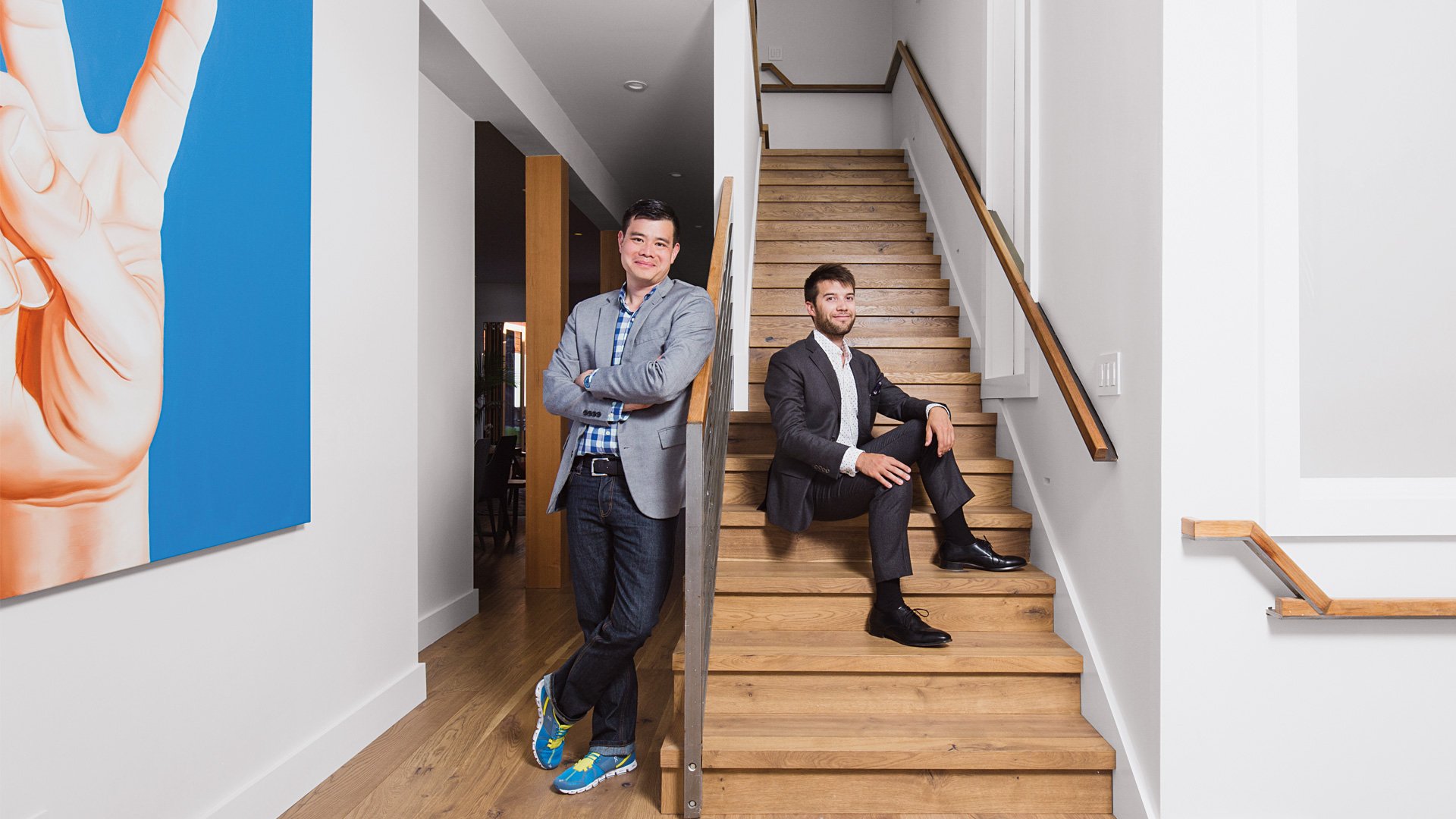
Wesley Chan enjoys intellectual challenges. That passion drove the MIT-educated venture capitalist and former Google executive to create such innovations as Google Voice and Google Analytics—services that have transformed the way millions of people around the world communicate and track web data. So when Chan bought a three-bedroom house in San Francisco’s Dolores Heights neighborhood in May 2013 and decided to remodel it to fit his lifestyle, it only made sense that he would approach the project as another opportunity to innovate. Applying the philosophy of testing he learned in Mountain View, he and his partner, marketing professional Pat Blute, created a living laboratory for future home tech.
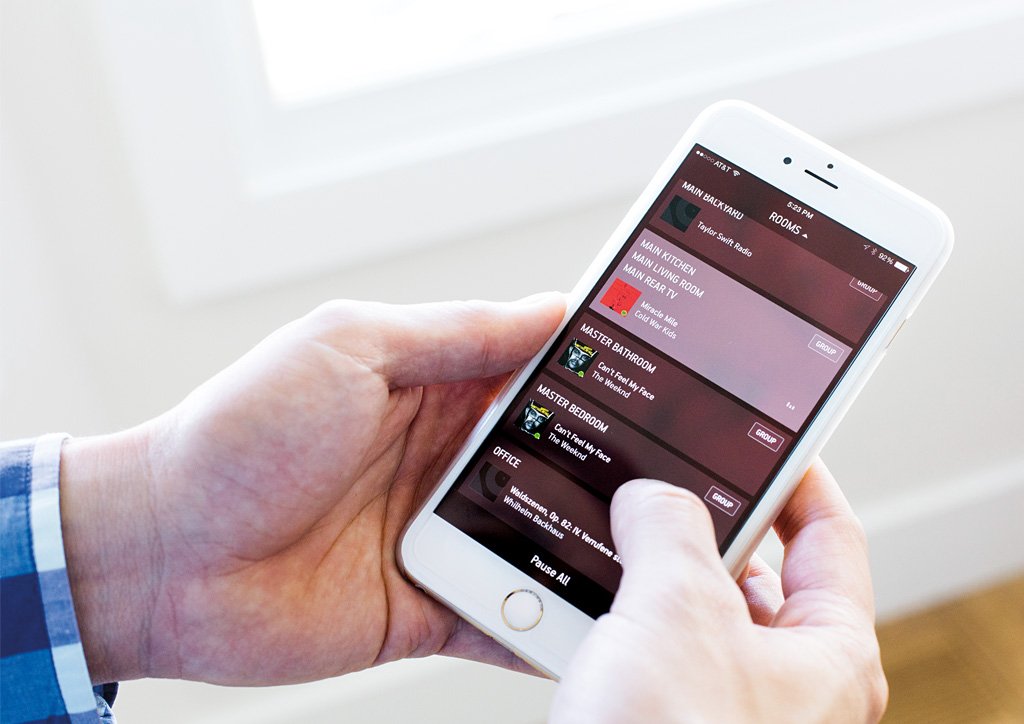
“We wanted everything to be IP-enabled and connected to our in-house internet,” Chan says. He also sought to incorporate emerging technologies and products that his colleagues were producing in order to test them and provide feedback. “My role as an advisor and friend is to inspire people to think about things,” he says.

The home was not exactly a fixer-upper. When Chan bought the Edwardian-style house for $2.25 million, it already had enviable hardwood finishes, modern appliances and elegant landscaping on the rear patio. But it was more Town & Country than Silicon Valley; Chan envisioned having smart technology and automation. More important, the house did not embody the aesthetic and design principles that Chan learned at Google—“to hide massive complexity under a beautiful sheet of simplicity,” he says.
So, after working at Google for 12 years, first as a product designer and later as managing partner of VC arm Google Ventures, Chan took a year off to make his vision for the home a reality. (He is now managing director of another VC firm, Felicis Ventures, and is also an investor in the Worth Group, which publishes Worth.)
Many of the home’s functions are now controlled with a single device: the iPhone. “It’s the universal remote,” Chan says. Lighting can be adjusted according to mood. The temperature can be regulated remotely. Music from the entertainment system can be played, mixed and shared among friends. Security features such as locks and a doorbell with a motion- sensing camera can be operated. Chan can even control a steam shower and the bedroom blinds. It sounds straightforward, but the internet-enabled systems behind all these features are complex and experimental.
“The outcome has been a work in progress,” Chan says. “We’ve learned a lot, and there’s a long way to go. That’s the fun thing about this house—it’s like a startup.”
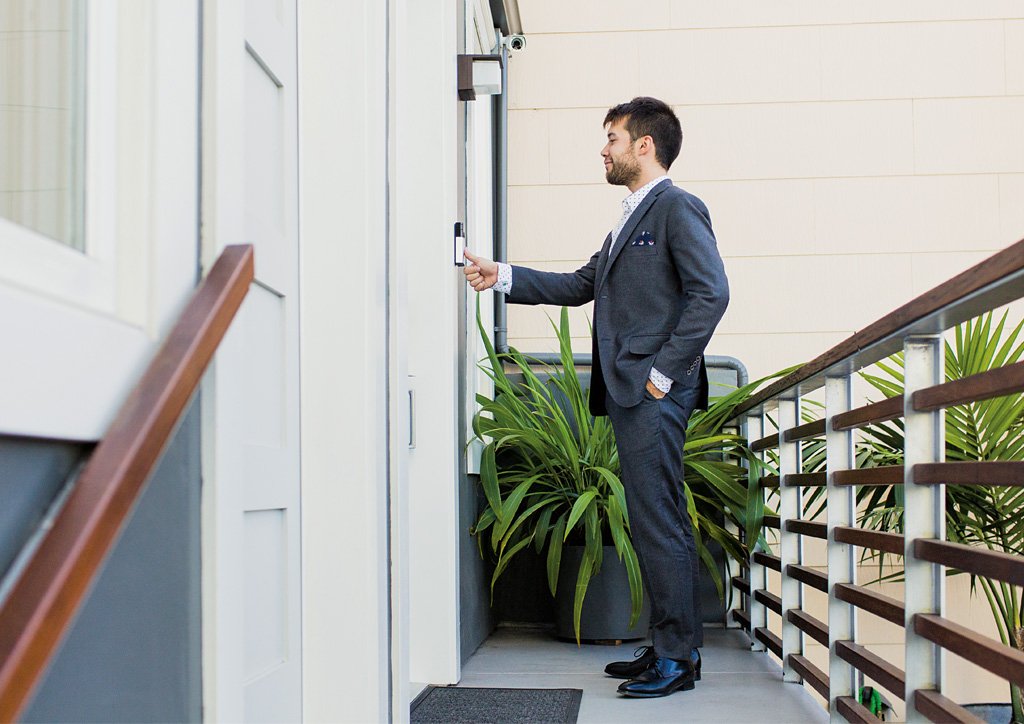
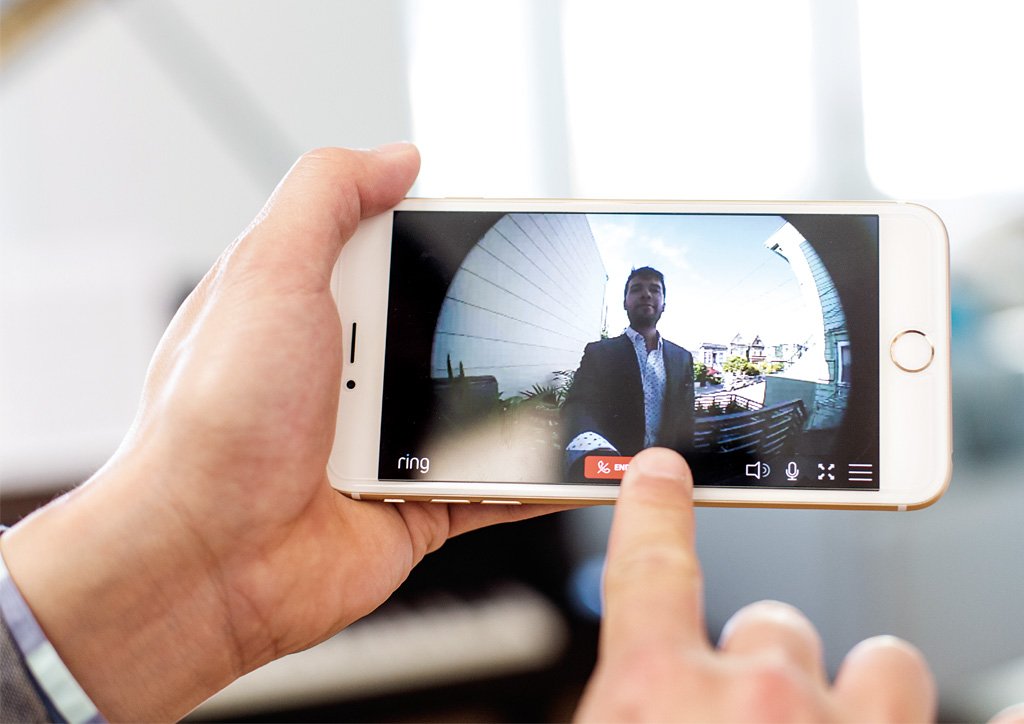
“It has motion sensors; as you walk up the stairs, it pings me on my phone so I know you are on your way. And when you do ring the doorbell, it shows a video of you on my iPhone and records it. More than 90 percent of all thefts and burglaries happen at the front door. You’d be amazed at the number of random people who show up with clipboards pretending to be somebody they’re not. We had the first two units of the doorbells installed in our house. Ring’s founder, Jamie Siminoff, said, ‘I have these new doorbells, do you mind if I install them in your house?’ We had them before anyone else and gave him a lot of feedback to help him iterate it.”
“I designed the entertainment system, the electrical grid, the lighting system—”
Everything has an IP address,” Chan says, and is consequently internet-controlled and operable with an iPhone. “You won’t see a single LED panel or weird iPad built into the wall. The light switches can work as they normally do, the thermostats can work by twisting them. One of the design principles at Google was that it should be so simple that your technologically illiterate parents can figure out how to use it. My parents are technologically illiterate. They can come here and figure out how to turn on and off all the lights without me ever having to tell them. The complexity is hidden in the iPhone.”
“Our thermostats are all IP-enabled—they’re Nest thermostats.”
“I’m a person who understands the product very well—Google Ventures was an investor in Nest and I was part of the team that helped manage that investment—so we have their thermostats and smoke detectors in the house, and an app that monitors both the temperature and any fire alarm issues. We can turn the heat up or down. Even if we’re a mile away from home we can get the house warmed up or cooled down.”
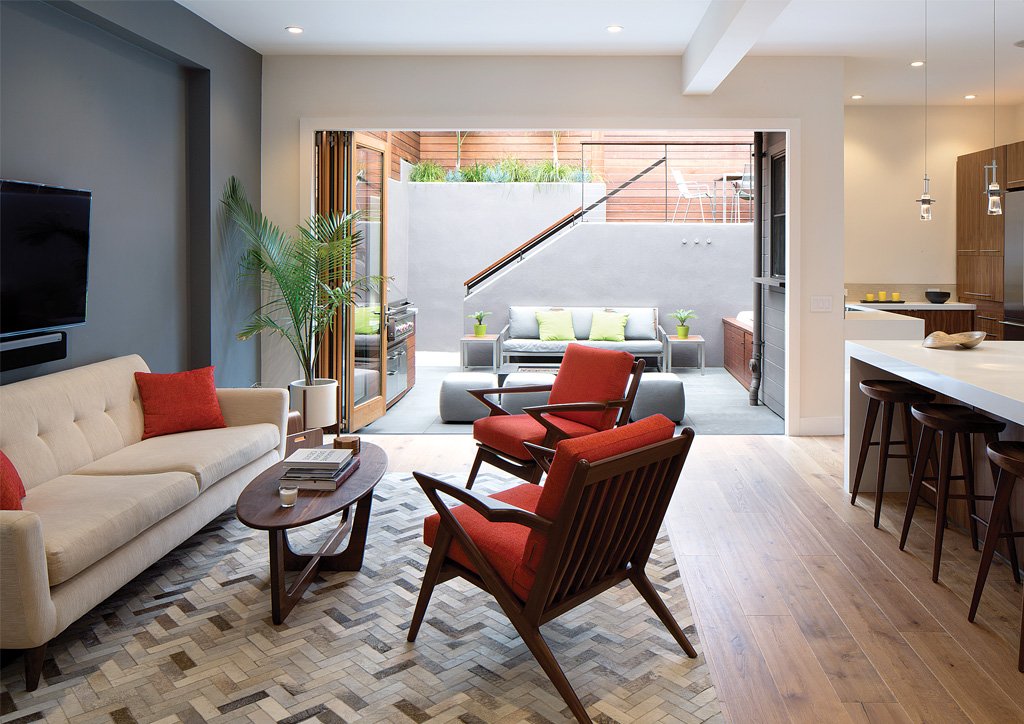
“We wanted anybody to be able to control functions in the home by giving them the apps and the access key.”
If you’re visiting, I would want to give you access to DJ-ing music, for example. We can pick different songs off Spotify, Pandora, our own playlists—I can take the access back and play something else if that’s what I want. Pat and I both have controls and the app elegantly figures out who last had command, so there’s no infighting.”
“We wanted to test out a lot of new technology—at Google, we called it A/B testing.”
[Testing two products that are nearly identical except for one variation.] For example, we tested out the light switches. We had four different kinds of light switches put in before we picked the one that we installed. We went with Lutron RadioRA switches, but we had ZigBee switches and switches with Insteon, another home-automation technology. One of the switches—and you would not know this unless you tested them out—wound up not working because they were all wireless. They were on 2.4 gigahertz, which happens to be the same frequency our microwave’s on. So when the microwave came on and our guests tried to turn on the lights, they’d stop working.”
“We wanted the lights to turn on and off automatically when you walk in at night. So there is a motion sensor. There’s nothing worse than waking up and having to fumble for the light switch, so it’s only a dim amount. After 15 minutes of detecting you’re not there anymore, it slowly turns the lights off.”
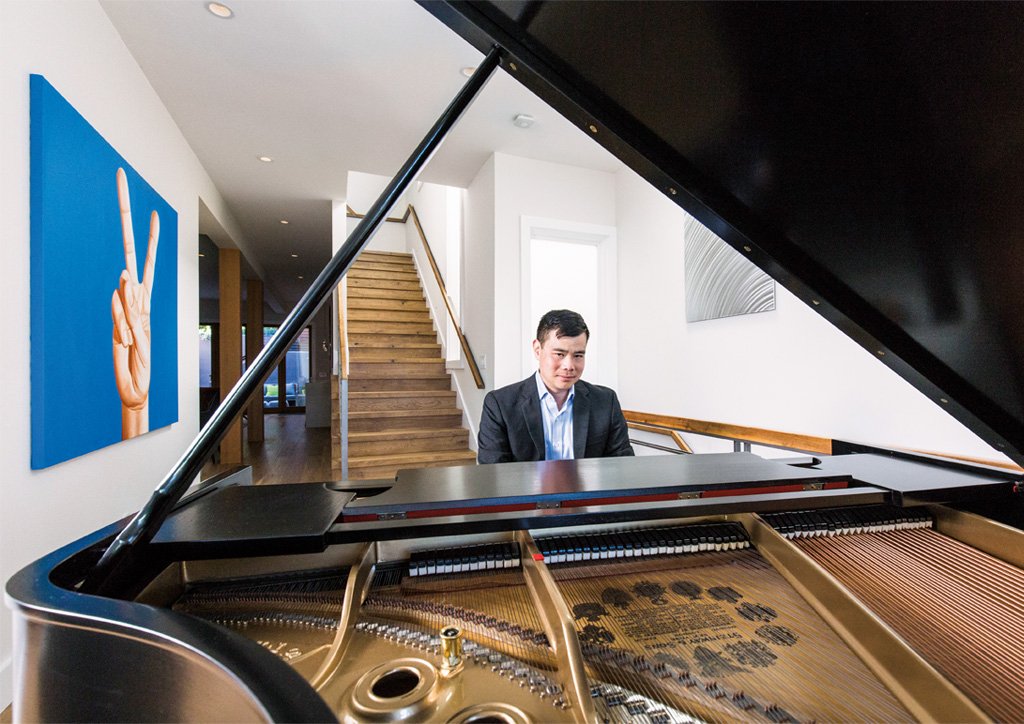
“One of the projects I’m working on right now is an app that uses the microphone on your iPhone to listen to the notes that you’re playing on the piano.”
“It detects the note, and based on the frequency that it hears, it sends it to the light so you can disco it around the house and have a Burning Man-like art exhibits as you play the piano. With an IP-enabled house, you can create these art projects based off what happens with the piano because you can control the lights with the notes.”
“When you go to a dinner party, your phone gets drained, right?”
“So we installed USB ports all around the house. And we keep a cable in every drawer for every device. These are right behind each pocket in the couch, and wherever we think our guests might be having a meeting. We want to make sure everybody feels they can plug in and charge their device. That’s something that my architect, Antje Paiz, and I went through: Where would people be that they would want to charge their device? And we’ve hidden every wire so it’s seamless. This is part of being a trained product manager at Google: You want everything to be invisible and magical and not be noticed.”
“All our TVs are smart TVs, all internet-controlled.”
“We have a lot of folks come here and share ideas or pitch startups, so we love to be able to share things. All the screens are designed to be smart displays that you can control.”