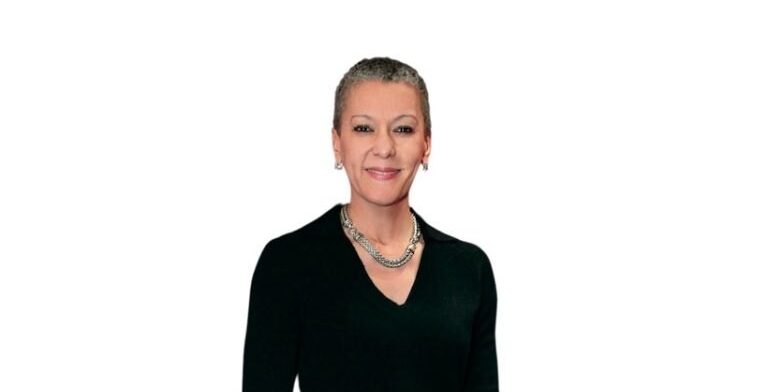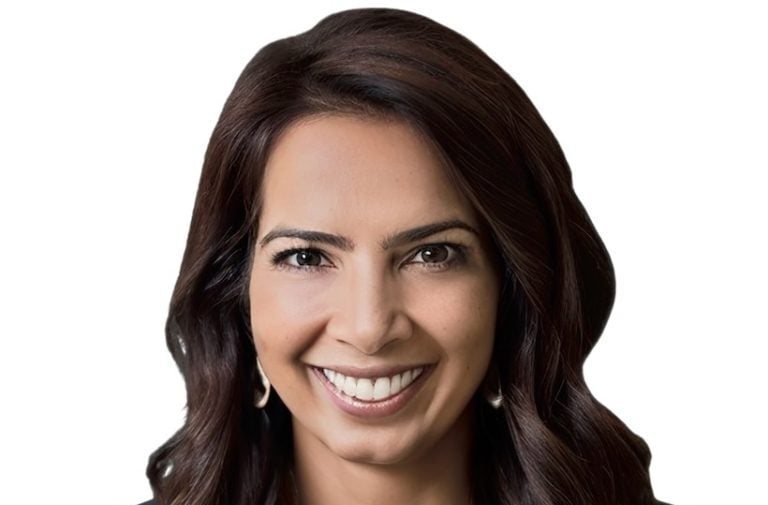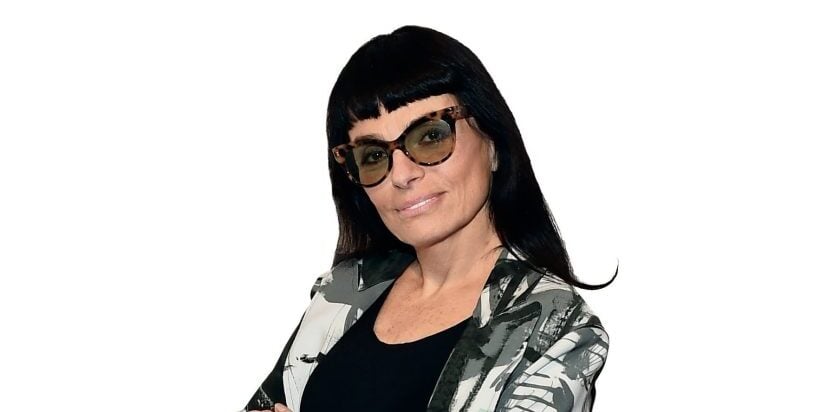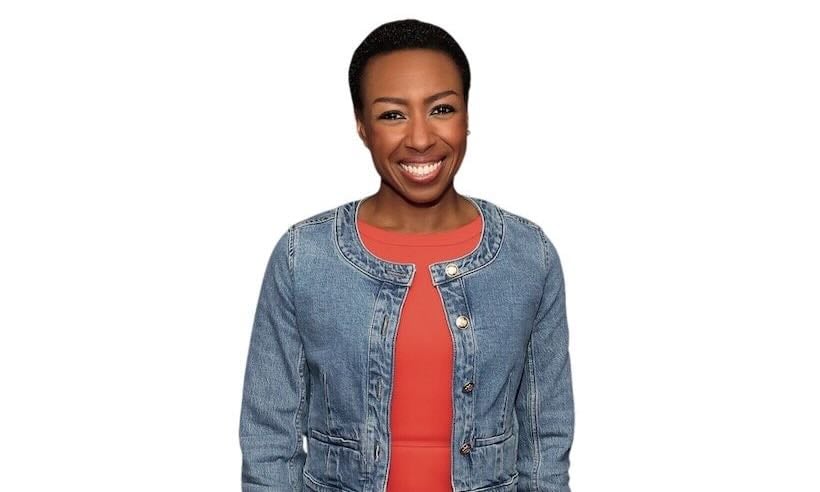

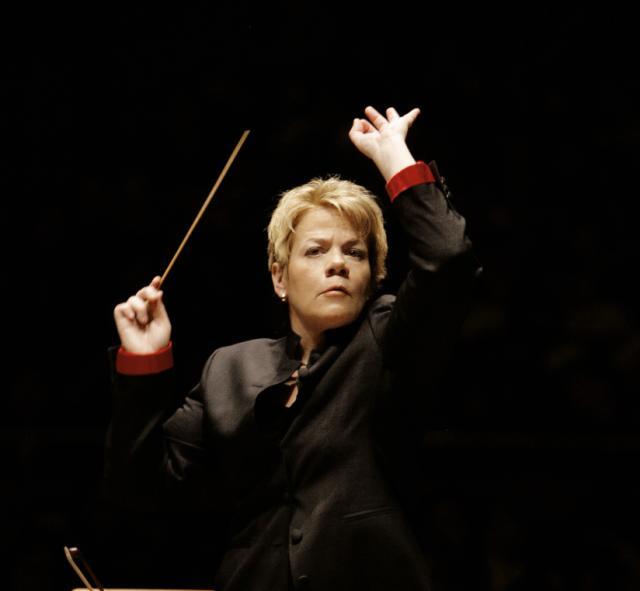
At Worth’s Actions Speak Louder Than Words Summit, Marin Alsop’s baton lifted the definition of worth far beyond the sphere of commerce. The first female conductor of a major American orchestra, Alsop immediately set the record straight. “I’m not the first,” she objected, explaining the genesis of her upcoming documentary film, The Conductor. To be released soon, the documentary details Alsop’s own journey to the podium and celebrates the legacy of other women on whose shoulders she firmly stands, but whose names are not yet widely known.
Advancing in the conservative, male-dominated field of music, she is no stranger to rejection, but Alsop herself rejects placing blame for her hard-fought journey. Instead, she focuses on the work: “I tried to interpret the rejection not as gender-based. Instead, I asked myself, ‘how can I be better?’” Whether rejection stemmed from her gender, sexuality, age or even diminutive height, Alsop insists, “these are merely birth facts. It has nothing to do with my achievements or overcoming obstacles.” The conductor doesn’t dwell on what she can’t change and sees her identity as a “ridiculous reason for attention.” Alsop’s excellence speaks for itself. In an elite environment, Alsop remains proactive, embracing criticism and feedback as opportunities to advance her skills.

We often think of music as such a specialized field, but when asked for advice to women pioneers, Alsop spoke as much to the CEOs as the mail room interns. “If you’re a leader, you’re under a magnifying glass,” she noted. ”If you don’t own who you are, you are not pushing others’ perception of what a conductor looks like.”
The racial reckoning of this year has permeated every domain; music is no exception. As a leader in diversity and inclusion work, Alsop faces an especially arduous task working toward racial and gender parity. In the tradition-rooted context of orchestral music, American orchestras are only 37 percent female, and only 14 percent ethnically diverse. As conversations of inequity are becoming increasingly ubiquitous, Alsop calls the work of broadening our definition of classical “Sisyphean. It has to be an intentional commitment.” We will not move forward without “consistent dedication to achieving this goal.”
A protege of the great Leonard Bernstein, Alsop recalled her parents’ taking her to see the conductor at age nine, and her decision right then to be a conductor. Bernstein would become her mentor and teacher, and Alsop recognizes the maestro as key to her success. In turn, she insists on using her podium to cultivate talented young people, especially from untraditional backgrounds. Alsop herself founded OrchKids, working through the Baltimore Symphony Orchestra to promote belonging and access among underprivileged youth. Thirteen years after its founding, the program has reached 2,000 students, five of whom, she notes, have chosen to pursue music in their post-secondary education. When does she believe women will hold 50 percent of the major conducting jobs? Alsop smiles optimistically, ”2022? Why not?!”
This spring, Alsop prepares to leave her 14-year tenure as Baltimore Symphony Orchestra’s music director, at which time, she admits not a single female conductor will remain at a major U.S. symphony. On this note, she reflects, “each of us” needs to take responsibility for the future. Through that, we have the power to change the world.”