
Ask architectural historian Mohammad Gharipour what he believes to be one of the biggest influences on architecture throughout history, and his answer is simple: health. “When you consider a more holistic definition of health—its physical, mental, social and emotional aspects—you realize how significantly urban designs have been impacted,” he says. Architecture and well-being go hand in hand.
There’s proof that, long before COVID-19, building designs responded to the health concerns of the time. Most recently, early Modernist architects embraced glass, clean lines and access to outdoor space—believing that light and air were the best treatments for tuberculosis. But, says Gharipour, the idea of designing for well-being stretches back to the very first buildings themselves.

“In Europe, the ancient Greeks put emphasis on social, and therefore emotional, health in their designs. The Romans then took urban infrastructure more seriously—for example, by finding ways to deliver healthy water and sanitation to their citizens. It’s an approach you’ll see in the history of almost every culture.
“One of the best examples in architecture is hospital design,” he continues. “Hospitals went through major changes during and after crises, as societies realized they needed to enhance the health infrastructure within cities.”
Short-Term Shifts
So how will this health crisis affect current architectural design? “Before the pandemic, the economy was humming along and people were working hard, so the focus of our designs was on providing ways for them to disconnect,” says Adam Winig, architect and co-owner of California-based design firm Arcsine. “But a lot of that was indoors, and the way we approached spacing was totally different. Now, the biggest change is that people want to incorporate an even greater sense of well-being along with an increased sense of sanitary safety.”
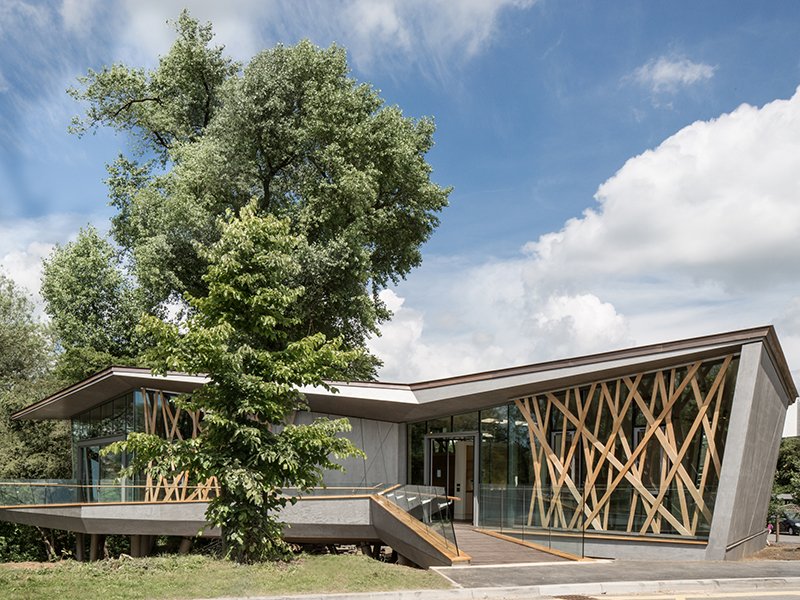
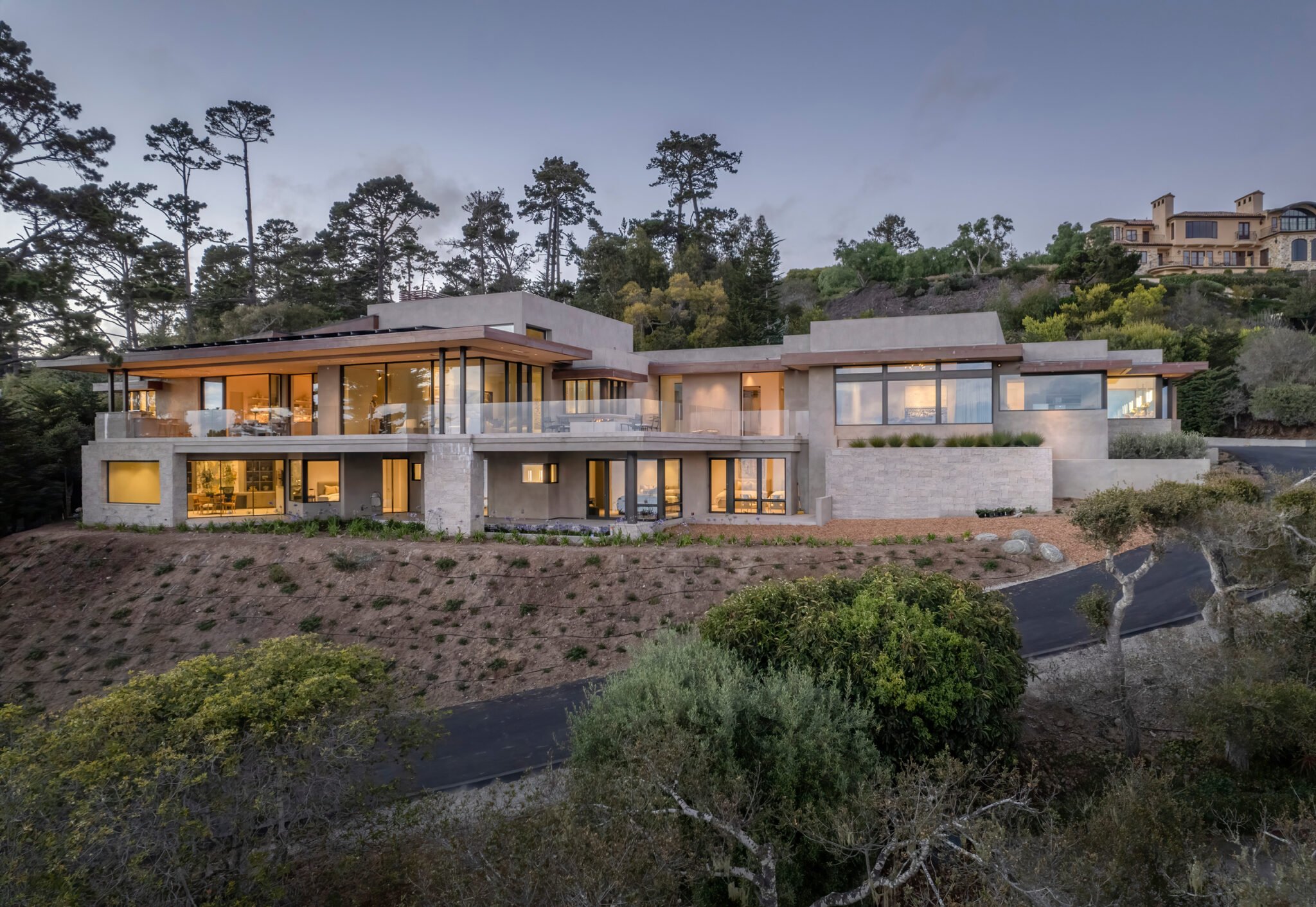
As a firm that includes hospitality, residential and office design within its expertise, Arcsine has had to consider the challenges faced by each type of public and private area. “On the residential side, people who are working at home are more than ever looking to create home offices that even extend to having conference space,” Winig says. “We’re also working on providing home office spaces that can be accessed without having to enter the main residence.
“For large companies, reopening offices revolves around reducing occupancy and having more open areas, such as freestanding open space for conferencing within the larger office. On the other hand, hotels and restaurants are doing whatever they can to make the most of the outdoors,” he continues.
People now want to incorporate an even greater sense of well-being with an increased sense of sanitary safety,” Winig says.
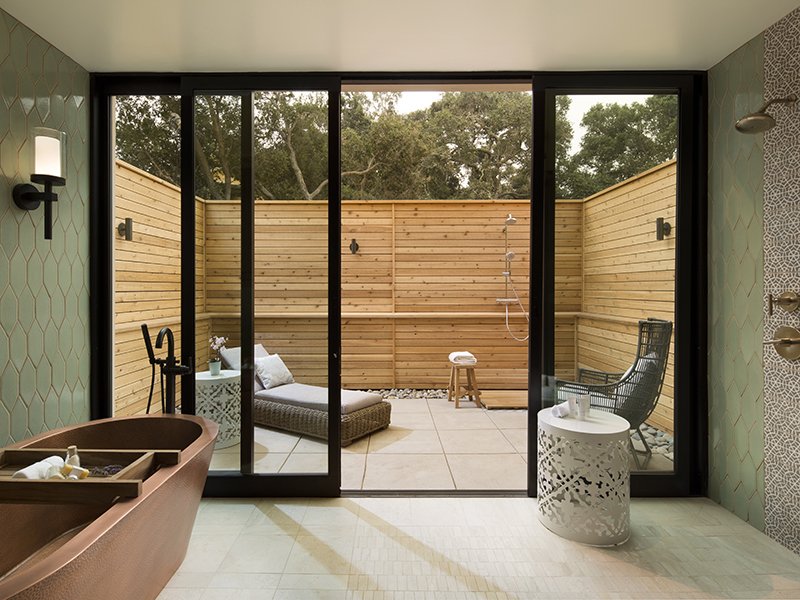
“The hotels we’ve seen do really well are properties that already have infrastructure that allows people to feel safe. Bernardus Lodge & Spa in California’s Carmel Valley has a series of small buildings that open to the outdoors, and a lobby that opens on both sides with really good airflow. Overall, it’s a very outdoor-conducive environment.”
New Approaches
The approach people take inevitably varies across cultures, as David T’Kint, the Dubai-based partner of global design firm HBA, points out. “Here in the Middle East, residential design often incorporates two separate sections of a house: a private space for close family, and a public space for entertaining, with separate points of access to each. I believe we might start seeing more of this further afield, as people look for greater control of hygiene.”
“When you look at the public spaces in hospitality, one of the first things to come to mind is the lobby,” he says. “Traditionally, the hotel lobby is a grand space, empty except for a reception desk on one side and concierge on the other. Over time, it’s evolved to be a social gathering space. Now, it may become more of a transitional space, with someone there to meet you instead of a reception desk and the technology to check in online.”
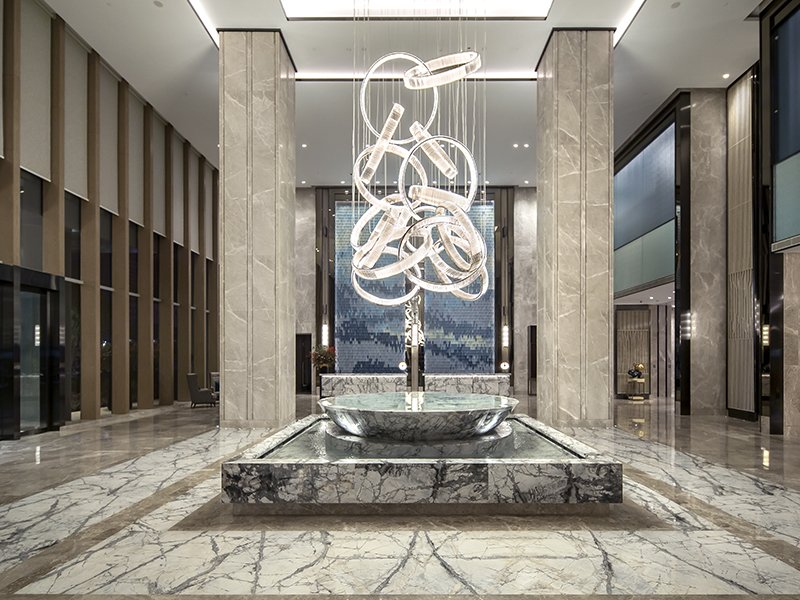
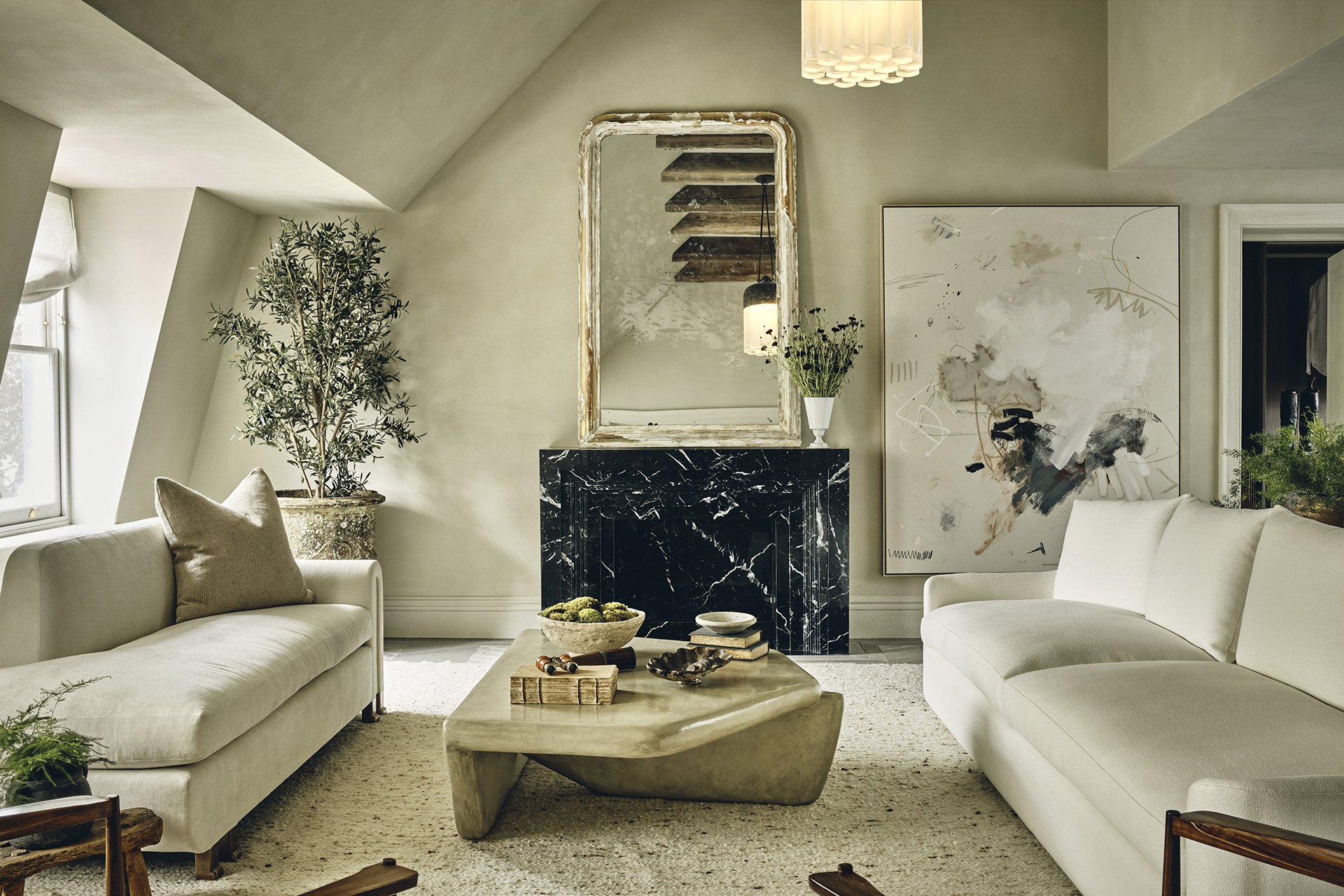
This hotel lobby by HBA incorporates many of the elements T’Kint thinks hospitality design should now embrace, such as clean materials used in wide open spaces that allow for effective social distancing.
“Although we have to keep in mind that human beings exist through interactions with others,” T’Kint adds. “As designers, we’re going to have to be creative in how we sculpt these spaces to create semi-private areas that still have interactive elements.”
Well Into the Future
“At the moment, a lot of design is based around temporary solutions, such as partitions and creating social distance within existing spaces,” says Winig. “But there’s also a shift towards more permanent mechanical systems, especially ventilation that can more effectively bring outside air in or sanitize the air circulating within a building.”
“Different business models will have to adapt in different ways. But I’m hopeful that they’ll recognize this as opportunity to find long-lasting solutions, which prioritize well-being.”
Lauren Jade Hill is a London-based travel and luxury lifestyle journalist who has written for Condé Nast Traveler UK and Forbes.
This story originally appeared on Luxury Defined by Christie’s International Real Estate.