
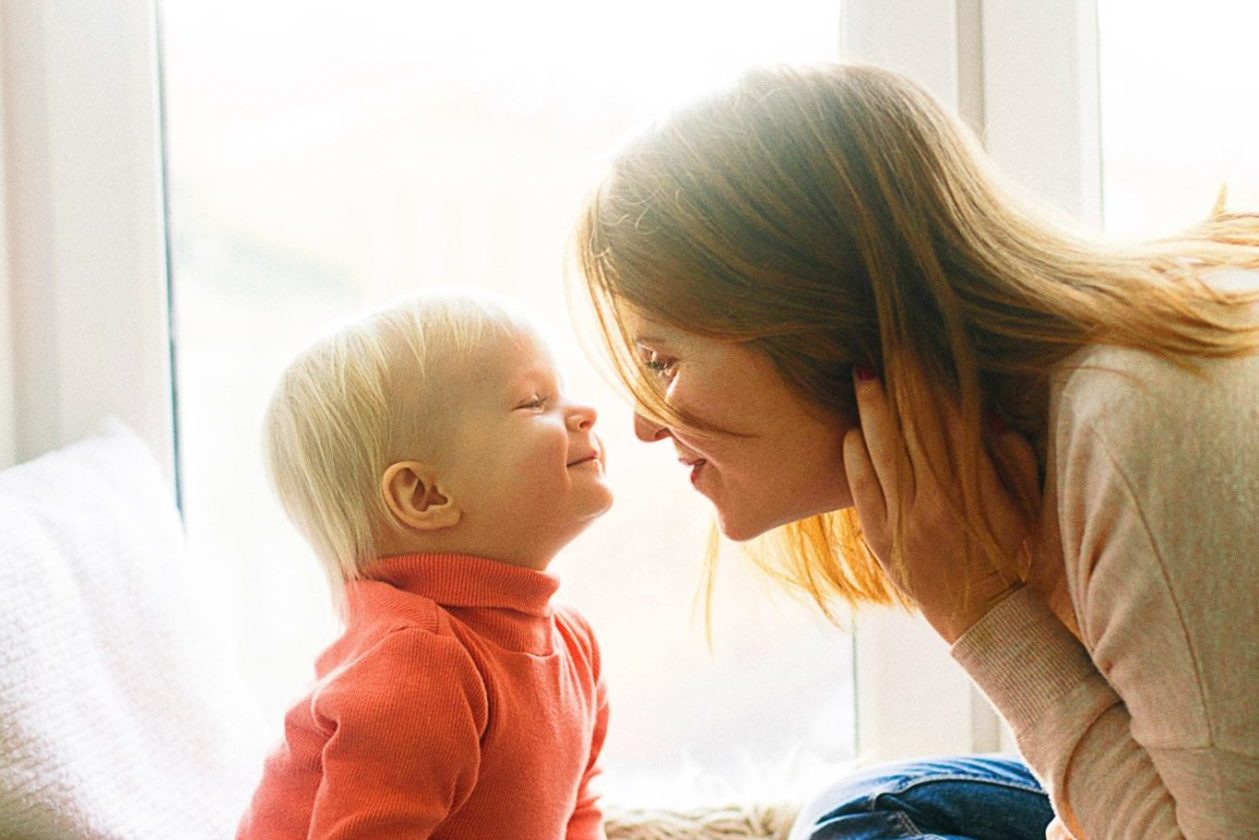
I’m usually a big hugger. One of the hardest parts of the pandemic for me is not being able to show affection as I naturally would with my family and close friends. This all came home dramatically when the first of my six grandchildren turned 12 in the fall. On the way to our physically distanced birthday celebration, I turned to my wife Marylou and asked, “What are the long-term consequences to our grandchildren of having a hug from us be a threat during this COVID time?”
Of course, this affects us all, and I worry about how the nation’s children are faring during the pandemic. A recent installment of Worth’s The Next Normal series focused on the psychological toll of COVID on children. Our guests highlighted some of the challenges kids are facing: remote schooling, economic loss and devastating personal loss. Anxiety is surging for many.

Still, the event, which I cohosted with Worth CEO Juliet Scott-Croxford, helped my own anxiety by focusing on the power we adults have to help our kids through this difficult time.
“Physical closeness is important,” said Daniel Willingham, an author and psychology professor at the University of Virginia. “But you have to think about ways to replace that with other kinds of intimacy.” He shared that his own family has a new version of grace at the dinner table, where they go around talking about something they’re each grateful for from the day. They make a point of doing things as a family—karaoke or watching a show together, and making sure each member gets a chance to pick what they will do.
Kathleen Entwistle, an advisor with Morgan Stanley Private Wealth Management, has had her four adult children back in the house again. She said her family has come together and appreciated what they have by giving emotionally and financially to those in their lives who might not be doing as well.
Caryl Stern, executive director of the Walton Family Foundation, said, “We’re asking our kids to be socially distant. We have to be emotionally present.” Stern, who has three sons, is spending time watching a lot of football with them—something she’d never done regularly before.
Social acceptance is one of kids’ biggest needs, and the isolation the pandemic warrants is one of its most painful challenges. Dr. Chloe Carmichael, an author and clinical psychologist, urged us to help kids find new signs of social acceptance: the smile or wave icon on social media, for example. “Parents should model how to deal with adversity,” she said. “Acknowledge what’s hard…embrace the opportunity to lean on each other.”
Carmichael reminded us that vocabulary matters. Always asking, “How’s the remote learning going?” is telling the child that the fact that the learning is remote is critical. Instead, try asking for a kid’s favorite subject or to see an essay she’s writing. Normalize their experiences, she recommends.
All of this can be hard when you yourself are feeling anxious, and it’s important to acknowledge that to our kids without burdening them. As our conversation last week reminded us, anxiety can be a positive because it tells us what we need to pay attention to. Let children know that feeling anxious or sad right now is completely understandable and that talking it through is one of the best ways to deal with it. They can talk it through with you, or you may find that seeing a professional would be helpful for them. I hope that one of the silver linings of the pandemic will be an increased acceptance of therapy. Let’s lose the stigmas, increase the access and recognize that paying attention to mental health is important for us all.
As Stern said, don’t expect to be perfect parents. “Forgive yourself. Think about a learning day, not a school day.”
It can be helpful to look back at other times of great difficulty for inspiration. Stern noted that the Greatest Generation of World War II suffered many gaps in their education, and then went on to embrace learning in all of its diversity and complexity, and had tremendous successes. How will we look back at this time? How will we rise to the challenges of today? We’re answering those questions by our actions right now.
Stern’s optimism about the future can be found in one of my favorite of her messages: “Be hopeful. The path to success is going to be different, but we’re going to find it, and we’re going to find it together.”