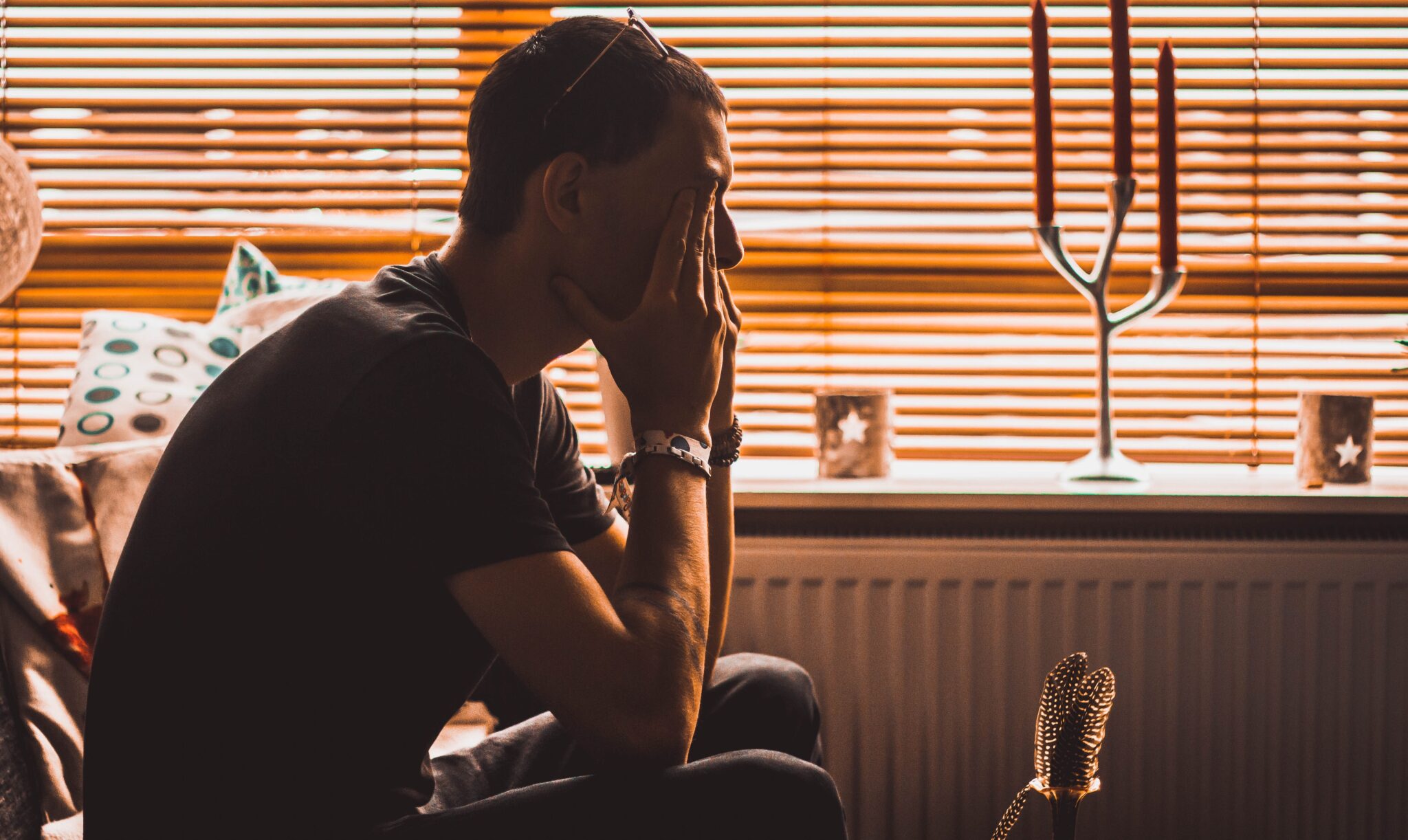

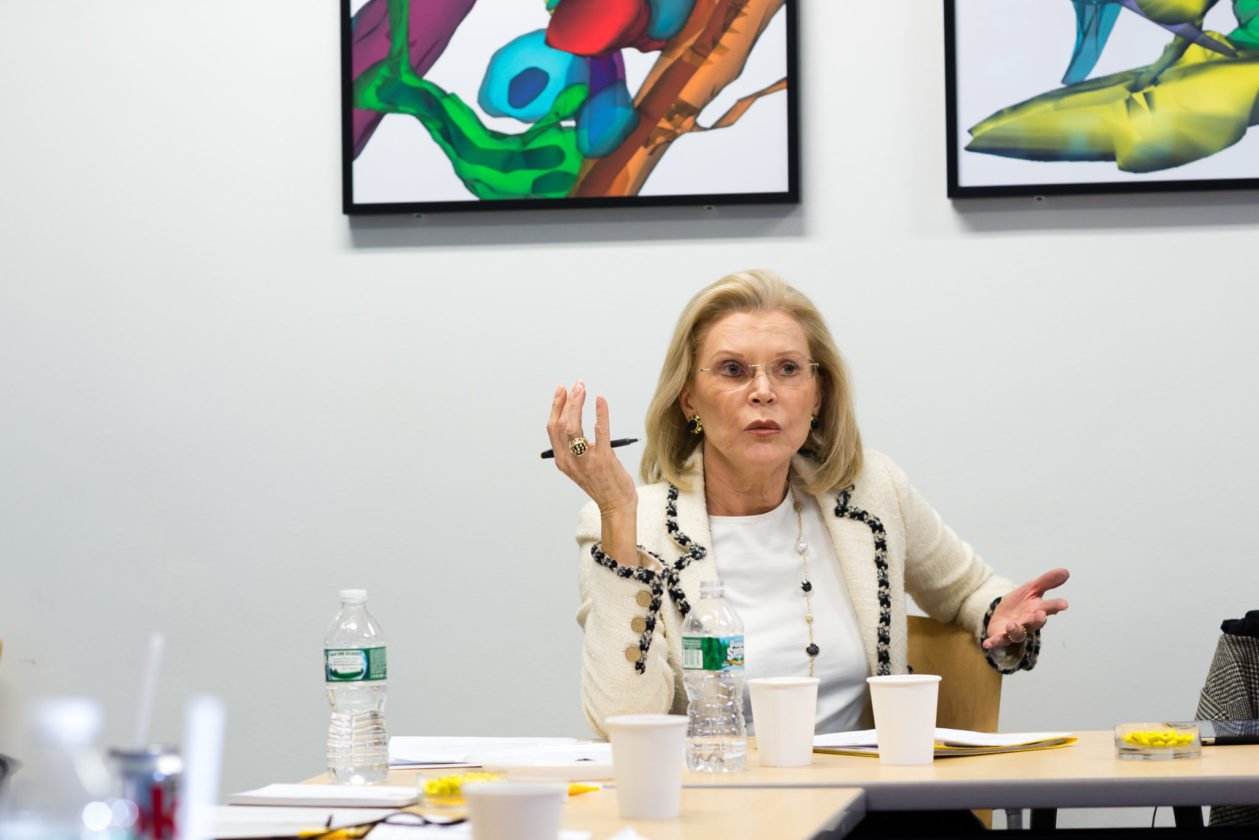
Philanthropist Audrey Gruss’ mother Hope was elegant, artistic and inspiring. She was also haunted by a depression that pervaded her entire adult life, deeply impacted her family and has spurred her daughter to fund and promote research for an illness that is notoriously difficult to treat.
“My mother was a complete example of creativity. She was a teacher and loved every kind of culture and beauty. She loved music and dance, and wrote poetry almost every day of her life,” Gruss remembers. “She always looked at the beauty in things.”

In retrospect, Gruss says, her mother’s heightened sense of aesthetics was a mixed blessing.
“After she died in 2005, I realized that her sensitivity was probably part of her illness. She may have had early signs of depression that we didn’t understand. My two sisters and my father and I had no idea,” says Gruss, adding that her mother never fully recovered from having to flee her native Lithuania in 1944. “In the ’50s, depression really wasn’t understood, and wasn’t properly diagnosed.”
When Gruss was 10 years old, her mother was hospitalized for what was termed a “nervous breakdown.” “It was very difficult for us because when she came back, she was never quite herself,” Gruss says.
Motivated by that suffering, Gruss has made treating depression, and finding new cures for patients who don’t respond to currently available medications, her mission. In 2006, Gruss founded the Hope for Depression Research Foundation. Since its inception, the foundation has spent $36 million to finance research studies by leading neuroscientists, funding more than 100 studies in 12 countries, 18 U.S. cities and 48 universities. For the past five years, HDRF has focused primarily on its depression task force, funding 40 studies at five universities. Starting next year, Gruss is upping her contributions significantly, committing to raising $8 million annually.
The need, Gruss says, is dire. A World Health Organization report released last month cites depression as the leading cause of disability worldwide, affecting more than 264 million people globally.
A former beauty executive at Elizabeth Arden and onetime president of the Terme di Saturnia skincare line, Gruss is also launching a trio of fragrances this week at Bergdorf Goodman, with all net profits going to her foundation.
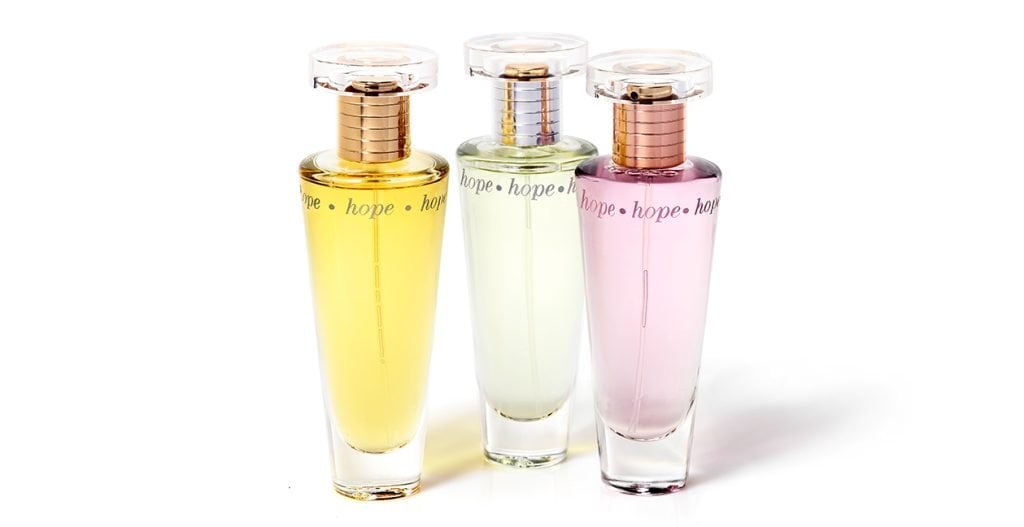
“We’ll launch another perfume in May, and then we want to go to other retailers. If we sell a quarter of a million in the first six months, we’d like to do a half a million in a year, and then we’d like to do millions, because the objective is to get more money for research, to intensify and maximize it,” she says.
The fragrances, Hope, Hope Sport and Hope Night, are named for her late mother and mix the gardenia, jasmine, lily of the valley and tuberose she so loved.
“I was thinking, where could my background and my education be helpful? What could be really super meaningful to me? All charities are valuable, but after my mother died, I was bereft. I met with her doctors, and they explained to me how depression was so prevalent, and yet so underfunded,” Gruss says, speaking from the living room of her Upper East Side apartment, which could easily double as a small contemporary art auction house, the walls studded with works by Damien Hirst, Cy Twombly, Anish Kapoor, Willem de Kooning, Joan Mitchell and Antony Gormley.
Among HDRF’s most important goals, Gruss says, is developing alternatives to Prozac and similar antidepressant medicines called SSRIs, which prevent the reuptake of serotonin, and SNRIs, which prevent the reuptake of norepinephrine. Studies estimate that up to 50 percent of people suffering from depression do not get relief from these medicines.
“Since Prozac was introduced 25 years ago, there has been virtually no new category of medication,” Gruss says, adding that the major pharmaceutical companies that once drove research have left the field, discouraged by the rise of generic medications that cut into their profits.
Gruss, whose husband Martin bought his father’s eponymous Wall Street company in the 1980s and grew it into the country’s largest privately held arbitrage firm, is a well-established philanthropist, having served on the board of Lincoln Center for 26 years. A major philanthropic couple, they sit on nearly a dozen boards and donated $17 million in 2018 to build the Gruss Center for Art and Design at the Lawrenceville School, Martin’s alma mater.
In addition to contributing millions of dollars toward research, Gruss is also fighting the stigma surrounding depression, holding annual fundraising luncheons and enlisting influential friends in entertainment and media like Leann Rimes, Anderson Cooper and Oprah Winfrey.
When I first started my foundation, some friends of mine said, ‘Why are you doing this? It’s so difficult.’ And I said, ‘That’s exactly why I want to do it.’
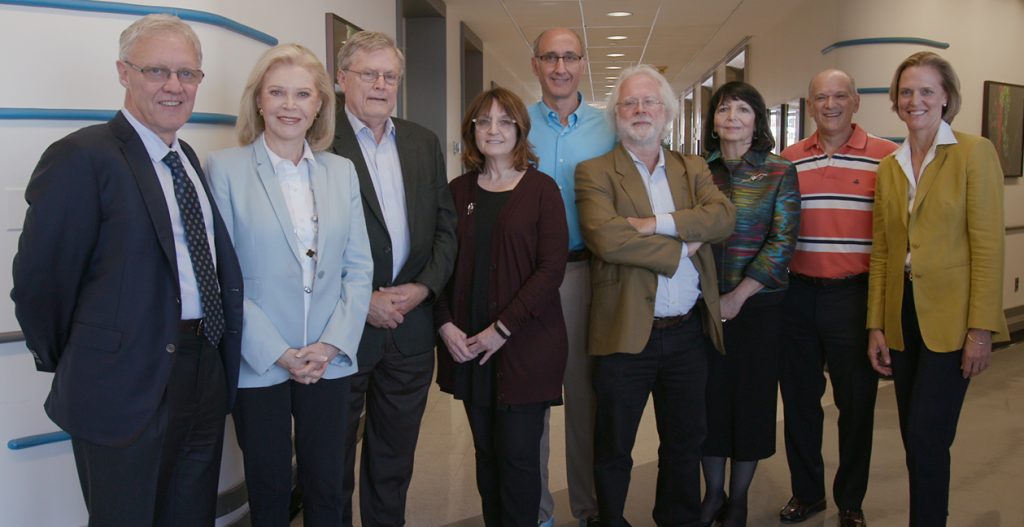
Her sizeable resources and indomitable spirit make Gruss a singular force. Notably in a field predicated on competition for scarce grants, Gruss insists that the scientists she funds collaborate, and she delights in uniting top researchers. Her ambitious scientific advisory board includes two Nobel laureates.
An undergraduate biology major at Tufts, where she endowed the Audrey Butvay Gruss Science Award for women students excelling in science, Gruss says her education has prepared her to read clinical journals and to be taken seriously by her committees of scientific leaders.
Researchers say that Gruss has a uniquely helpful and well-informed approach.
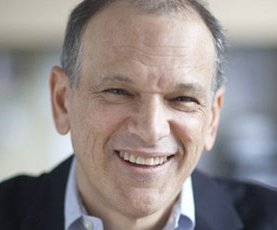 “I’ve been fortunate enough to meet a lot of individuals with means who are interested in funding research. What struck me about Audrey was her knowledge and sophistication, her kindheartedness and her outstanding personal skills,” says Dr. Eric Nestler (pictured right), Nash family professor of neuroscience, dean for academic and scientific affairs and director of the Friedman Brain Institute at New York’s Icahn School of Medicine at Mount Sinai. Nestler, who chairs HDRF’s depression task force, runs a lab investigating the connections between addiction and depression.
“At the end of the day you need common sense and business sense of how to move things forward,” says Nestler. “It’s not easy to get 10 high powered labs around the world to come together, but Audrey has the force of personality to do so.”
Indeed, while research scientists are notoriously siloed and protective, even secretive, about their research, Gruss’ group has evolved into a highly collaborative consortium. Each of the labs involved is required to be primarily funded by NIH, the gold standard in scientific research, but Gruss’ contribution is central to their progress and includes things like being able to quickly share terabytes of RNA sequencing data.
“Audrey’s money adds to what each of our labs can do in ways that NIH could never fund. It enables us to take chances, and to do more high-risk experiments,” says Nestler. “It’s important for people to know how valuable philanthropy is for biomedical research. NIH funds $40 billion a year for research on all body parts and diseases, but philanthropy is a critical ingredient to leverage those NIH dollars. With the extra money, I can join forces with labs at several other universities and the combination is synergistic, more than the sum of its parts.”
For Nestler and his colleagues, Gruss’ funding has opened up a degree of collaboration that would otherwise be impossible.
“It has been truly spectacular. We now have an international group and some of the best labs in the world. Over the past seven years, all our labs have become increasingly functionally integrated, and we’re operating almost as a single entity,” says Nestler.
Sharing their data in a repository at the University of Michigan, the labs have monthly phone calls and an annual retreat, and the bonhomie is paying off.
“My lab is doing things now that we would never have done without HDRF funding,” Nestler says. Chief among them: a new clinical trial into the drug Tianeptine, which works along the body’s pain regulation circuits, and could be a promising solution for patients who don’t respond to SSRI and SSNI mediations.
“Almost all of today’s medications require weeks or even months before we even if know they work. Imagine telling that to someone who’s suicidal,” Nestler says. “And then when the medicines do take effect, only 50 percent of the people really do feel better.”
Trying to address this, HDRF investigators at Columbia, Mount Sinai and Stony Brook are using brain imaging to analyze the brains of patients who have demonstrated a deficiency in the circuits controlling pain regulation and reward.
“Our hypothesis is that the people who have a particular type of deficit in a reward center will respond to Tianeptine,” he says. “This will be one of the first applications of precision medicine to depression.”
Gruss’ support is crucial to funding tests that will ultimately need bigger investors to go to market.
“Venture capital is absolutely essential. If Tianeptine works, it will get too expensive for private foundations,” Nestler notes.
Gruss has also provided essential funding for studies on LAC (acetyl-l-caritine), a molecule central to the brain’s glutamate system, and one that shows promise as another treatment option for patients who don’t respond to drugs pegged to serotonin or norepinephrine systems. Until his unexpected death last month, Rockefeller University’s Dr. Bruce McEwen was pioneering studies showing that low blood levels of LAC correlated to higher risks for severe depression.
As his lab regroups, Gruss remains optimistic.
“This fall, Bruce’s protégé Carla Nasca showed that LAC’s main function in the brain is to help cells recover after a major stressful event by enhancing the actions of the neurotransmitter glutamate, a major stimulating chemical in the brain,” Gruss says.
If the research pans out, Gruss says, it could ultimately lead to highly effective blood screening tests, a deeply satisfying development for a philanthropist who’s made combatting depression her life’s work.
“When I first started my foundation, some friends of mine said, ‘Why are you doing this? It’s so difficult,’” Gruss says, and then smiles. “And I said, ‘That’s exactly why I want to do it.’ I saw my mother struggle for a lifetime with an illness that nobody wants to have. It is so prevalent, and I want to make a difference.’”