
The year I spent building my second startup was unforgettable…in the worst way possible.
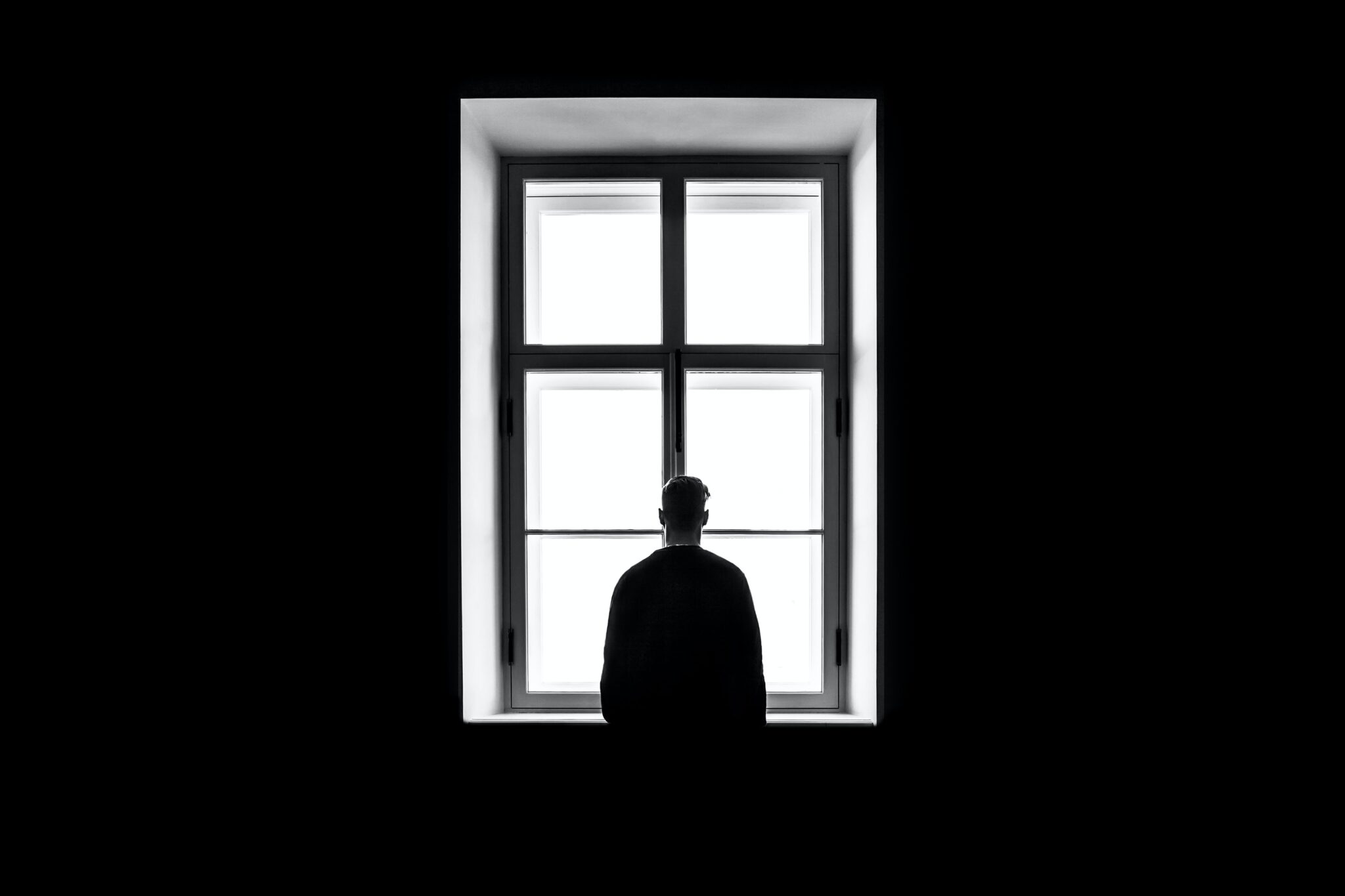
Working solo from my basement—no colleagues, no partners, just me—was one of the most lonely times of my life. Yes, I was my own boss, passionately pursuing a business I believed in, but underneath it all, I was incredibly depressed.
This year, all of us have experienced isolation and disconnection to some degree. And even as we see a glimmer of life after the pandemic, the way we work has forever shifted to a more digital existence.
The loneliness of working solo can be crippling, even for the most independent among us. Human connection is critical to well-being and mental health. When we lose that in our work, we also lose productivity, engagement and happiness. Sure, tools like Zoom and Slack are there to help us connect, but emojis and screen claps can’t replace the human-to-human experience that uplifts us in the flesh. It’s not a stretch to say with less real-life interaction, we’re experiencing a collective loneliness like at no other point in history.

Loneliness is correlated with poor job performance, depression, anxiety and lack of confidence; in extreme cases, loneliness is even linked to health risks. Two-thirds of employees are experiencing burnout working from home, and 40 percent of adults have reported experiencing an anxiety or depressive disorder since the pandemic. Being around other people as we work, conversely, reduces cortisol, boosts our moods and creativity and makes us more engaged with work and life.
So as we prepare for a future of work that weighs much heavier on digital connection, here are some tips for combating loneliness from my early days as a startup entrepreneur.
Make Mental Wellness a Discipline
Perhaps the greatest lesson I learned from the barracks of my entrepreneurial basement was that mental wellness is a discipline—a practice that has to be worked on, as much as any part of your professional development.
While it’s tempting to wake up to your phone and check email or roll from your bed to your laptop, taking a beat to cultivate mental clarity before you start your work day improves your personal well-being and your productivity.
I have a rule for myself: no touching my phone or computer until I’ve been outside. Just a 20-minute outside break—even if it’s a faux commute around the block before work—can offset an inevitable screen vortex of back-to-back meetings. But don’t just take my word for it: The Japanese concept of forest bathing has proven that being in nature lowers stress, improves mood and frees up creativity—all critical elements for mental wellness.
I love starting and ending each day with a little moment in nature, but it’s not just for the outdoor benefit. The delineation of knowing when your work day starts and ends (both in terms of time and space) is equally important.
Stats show that 37 percent of people are working longer hours since March 2020. In large part, that’s because when you live and work in the same place, it’s harder to separate the two. In another way, it’s because you don’t have a colleague to use as a bellwether; there are no reminders to stop. Creating structure helps trigger your body to turn off from an otherwise endless workday.
Force Yourself to Change the Channel
Even when your self-discipline is strong, working alone robs us of the serendipitous collaborations and casual interactions we inevitably encounter in a physical space. Years ago, I cofounded a startup incubator, Launch Academy, to help entrepreneurs avoid the sense of loneliness I’d experienced with my second startup.
While this can be hard to recreate in hybrid or remote scenarios, there are tools such as Slack’s Donut feature, which allows you to randomly group up with a few people in your organization for casual conversations. Just the act of speaking to someone, with no work agenda to cover, can offer a greater sense of connection and purpose.
It’s really about “changing the channel” from an isolating, single-minded focus to a connection with the world and other voices. It can be helpful to get “in the zone,” of course—but it’s just as helpful to break out of it.
Break Free From Screen Routines
When it’s time to break out of the zone, often the most effective first step is to walk away from your screen. As the head of a visual marketing platform, I understand the importance of graphic and video communication, but when I’m feeling Zoom fatigue, I pop my headphones in and take my calls on audio instead. Having a conversation where you can forget about your backdrop and really focus on what’s being said allows for a more intimate connection and less of a performative one.
I also seek out connection by listening to podcasts and audiobooks when my mind needs a break. Sometimes just hearing others’ stories can act as a reminder of humanity and offer a much-needed reset.
Another way to fight the workplace blues is to schedule a day with no meetings. It might seem counterintuitive when combating loneliness, but taking a meeting-free day allows more opportunity to cleanse from the screen or to pencil in routines for relaxation that help thwart burnout.
The Upside of Mass Loneliness
This massive social experiment has been hard on our mental health. But there may be one silver lining: The conversation about mental health (in the workplace and in general) has never been louder. Sixty percent of employers are now starting or expanding behavioral health benefits—the beginning, I think, of a mental health revolution at work.
The employee experience is currently at the forefront of every HR conversation. We now know that for some, working remotely is a blessing, while for others, it’s a struggle—and we no longer need to offer a one-size-fits-all solution. In fact, I believe employers who do choose either all-remote or all-in-office work in the future will be at a distinct competitive disadvantage. To attract great talent, we need to offer diverse and balanced solutions that prioritize workplace wellness (while still taking into account the need for actual work productivity, of course).
It’s sort of ironic. Though we haven’t been seeing humans much this year, we have been through a profound shared experience. In our digital silos, we’ve experienced something together. As we emerge from it, there’s an opportunity to apply what we’ve learned about employee wellness and strengthen our future work environments, whether they are IRL or not.
Roger Patterson is the founder and CEO of visual marketing platform Later and cofounder of accelerator Launch Academy.