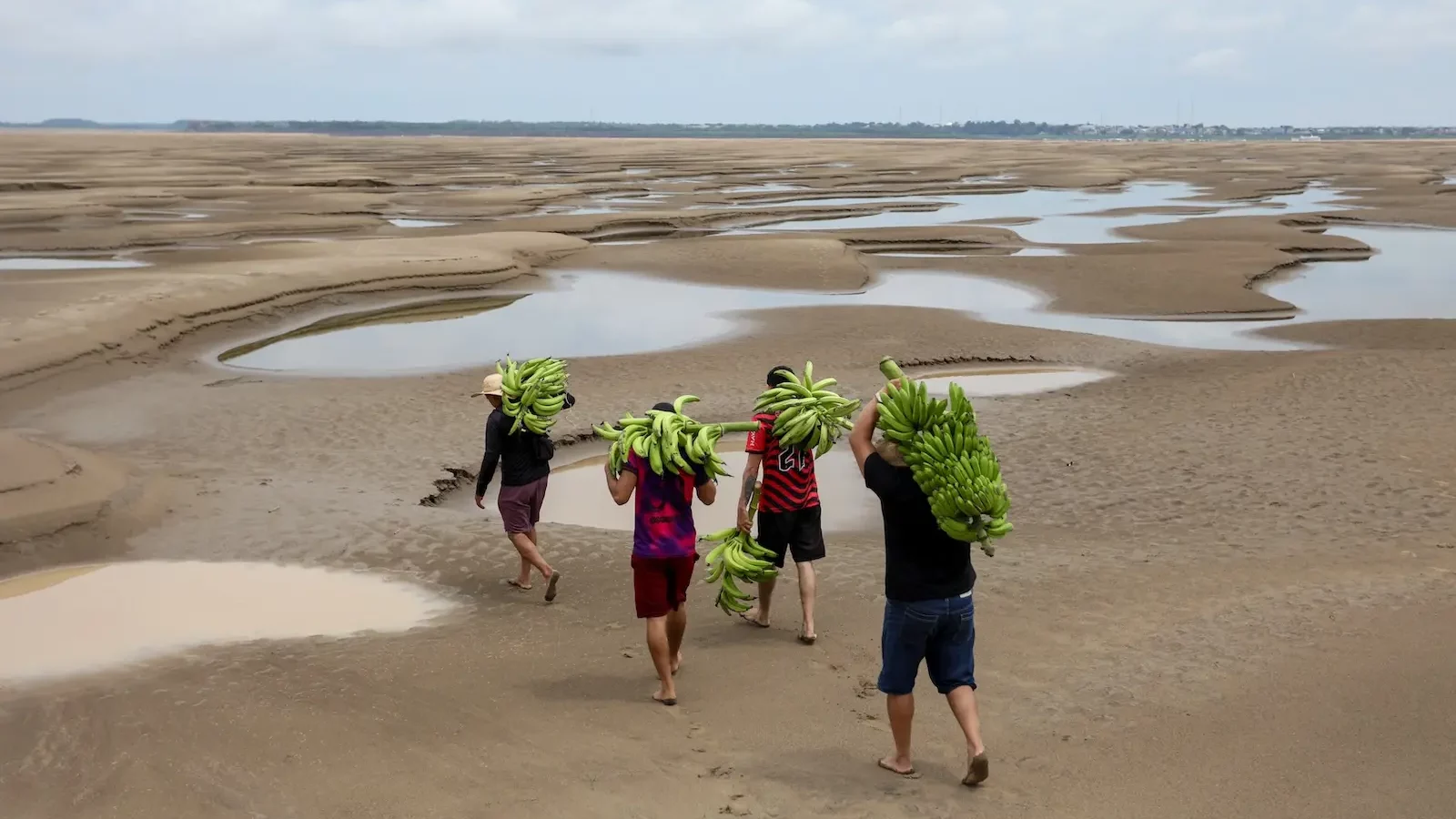
Last year as wars were waged, food prices skyrocketed and a new post-pandemic reality set in, up to 783 million people faced hunger around the world – that’s about one in ten people globally. To be sure, many governments, non-profits and private companies are taking action to help tackle food insecurity, but despite all that, around 660 million people may still face hunger in 2030.
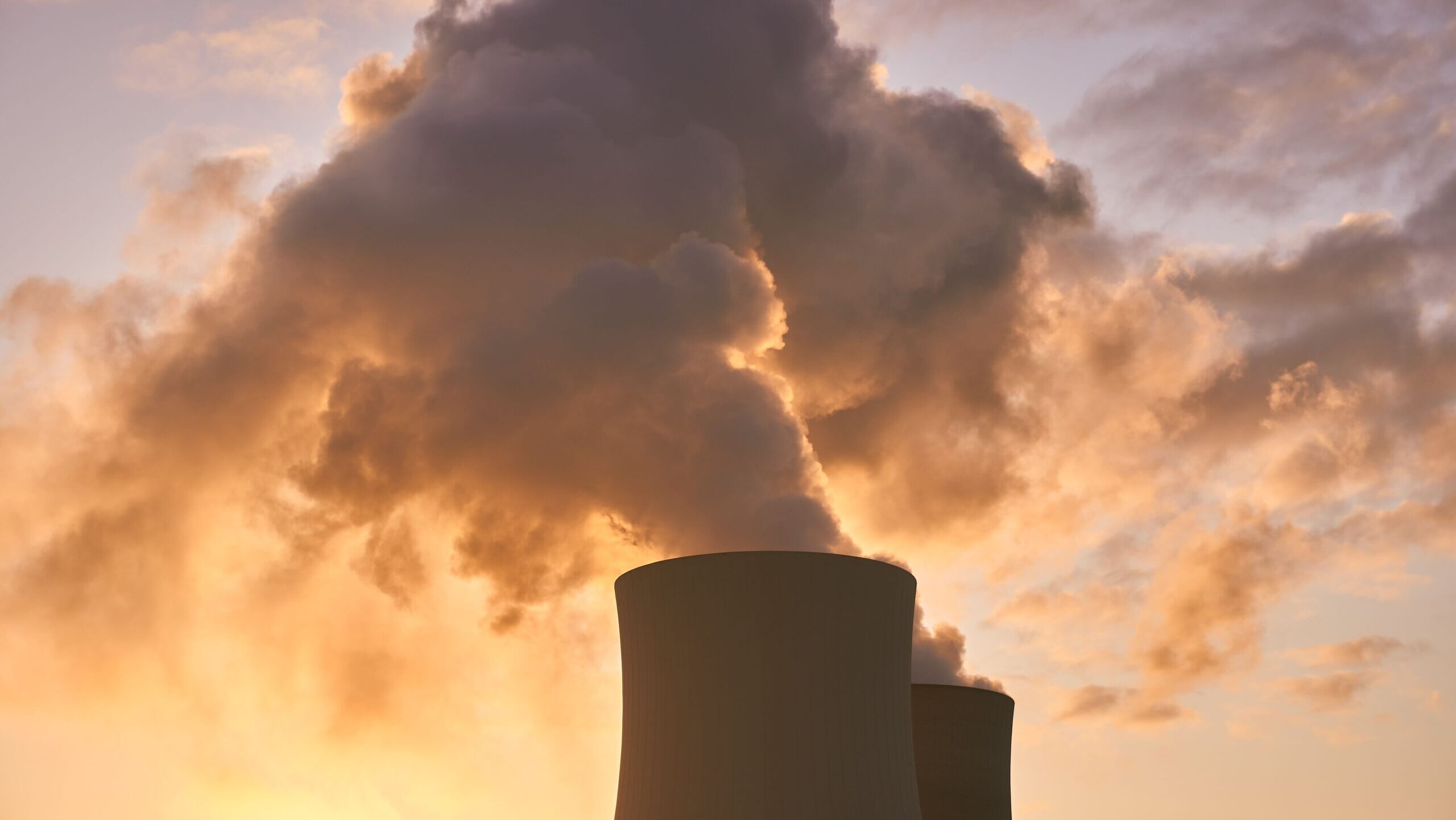
A large reason for that is climate change and climate-related extreme weather events. Even as we come up with financial initiatives, food banks and other social solutions, in the long run, curtailing the climate crisis is the only way to drastically reduce this number. Over the last few years, crop failures and food shortages have been much more frequent and visible all around the world due to an increase in floods, droughts, heatwaves, hurricanes, and storms- all of which disrupt our global agricultural systems and farmers’ ability to grow crops consistently. As a result of the climate crisis, we are facing a future with less arable land (where crops can grow), less water available for agriculture, and rising energy prices (needed for farms to operate), not to mention the damage being done to pollinators like bees, who are responsible for the pollination of one-third to one-half of all global foods crops, depending on which estimates you believe.
This has led to an entire innovation industry of future food founders looking to find new ways to produce food that is land-light and climate-resilient to arrest these shortages- with milestones in sectors like cultivated meat and precision-fermented dairy announced almost weekly. Some intrepid teams are even hoping to make fruit grown in labs.
Despite these advancements, the reality is that we are decades, if not centuries, away from a future where agriculture does not rely on land crops. If we don’t take collective steps to mitigate climate change, our dinner plates could look very, very different in the future. While this is by no means an exhaustive list, here are 15 of your favorite foods that are affected by the climate crisis.
1) Tomatoes
Pomodo-no? That could be a reality, with research suggesting a 6% decline in tomato yields in major growing regions like Italy and California by mid-century, thanks to global warming.
The optimal temperature for tomatoes is between 22-28°C. Over 35°C, however, yields go down quickly. Currently, 65% of tomatoes grow in California, Italy and China, but record-high temperatures and drought conditions meant the yield was 10% less than expected in the latter in 2021. The Italian tomato-growing region of Foggia, meanwhile, will likely see yields decrease by 18% by 2050.
Restrictions on water use could also affect tomato production in Italy and California, while an increase in air temperature will reduce yields all over the world. We’re already seeing these effects. The UK had a tomato shortage recently due to crop stress in Spain and Morocco, while India – the second-largest consumer of tomatoes – saw tomato prices soar by 400% and removed from the menus of fast-food giants like McDonald’s and Burger King.
If McDonald’s can’t buy tomatoes, you know it’s a problem.
2) Chillies
In April 2022, Southern California’s Huy Fong Foods generated bedlam after it told its customers it would have to stop making its beloved Sriracha sauce for the next few months as a result of “severe weather conditions affecting the quality of chilli peppers”.
This followed a smaller shortage in 2020, but it meant the company wasn’t accepting any new orders for a few months last year. The low inventory of red jalapeños in recent years was brought on by drought in Mexico and depleting water supplies in Colorado, and exacerbated by last spring’s crop failure, culminating in a shortage of hot sauce for a company that produces 20 million bottles of it annually.
3) Chocolate
The best things in life don’t come free to us anymore. Dark chocolate is notorious for its high carbon footprint, while cocoa beans are only surpassed by red meat for the highest carbon opportunity costs – or the amount of carbon lost from native vegetation and soils for production.
The chocolate industry is a major driver of deforestation too, especially due to its use of palm oil, which is the largest factor behind tropical deforestation. In Ivory Coast, the top cocoa producer in the world, more than 85% of the forest has been lost since 1960. This has led to a ban on deforestation-linked cocoa in the EU.
But climate change is biting back at chocolate. In 2021, scientists warned that cocoa trees are threatened – and a third of them could die out by 2050 – which could lead to a global chocolate shortage. And just last month, a study found that tropical crops like cocoa, watermelon, mango and coffee may be at risk due to the loss of insect pollinators.
4) Coffee
Speaking of coffee, one of the world’s favourite drinks is also under threat. Of the 124 known coffee species, 75 (60%) are under threat of extinction according to one study, including arabica, one of the two main species grown and consumed globally (alongside robusta).
In fact, earlier research from one of the authors of the same study found that in a worst-case scenario, arabica could actually be extinct by 2080. Another study revealed that climate hazards due to extreme weather have become more frequent, and will lead to lower yields and higher prices for coffee.
The optimal growing temperatures for arabica and robusta are 18-22°C, and while coffee-growing regions were more prone to too-cold temperatures for the last 40 years, every region has extreme heat to deal with now. This means that the amount of coffee-growing land – a ‘belt’ that lies between the tropics – could be halved before 2050.
5) Wine
Then there’s one of the planet’s other favourite drinks. Extreme weather conditions like early frost, heavy rainfall, and drought have meant that global wine production has plummeted to its lowest levels since 1961, with a 7% decline year-over-year.
Countries like Australia, Argentina, Chile, South Africa and Brazil saw their outputs drop between 10-30%, while Italy’s 12% fall meant it lost its title as the world’s largest producer to France, where supplies were steady.
However, climate change has meant that wine quality may not be the same as you’d expect. French winemakers are watering down their wine to tackle high alcohol levels. Grapes have been ripening under high temperatures, which means sugar levels are increasing faster than polyphenol levels, as trade website Wine-Searcher explains. “High temperatures inhibit the accumulation of these compounds; wines are more alcoholic and, in some cases, quality levels are lower.”
“What will I do when I have shrivelled grapes, low yields and 16% ABV?” one winemaker from Bordeaux said. “My wines would be unsellable.”
6) Potatoes
Your local chippy might not have many chips anymore. Potatoes – which should obviously and objectively be everyone’s favourite food – have been hit by a bunch of climate events that have left the industry in… taters.
A lack of rainfall has forced farmers to cut back on potato growing in England, while red-skinned potatoes are nowhere to be found across Europe, with potato prices going through the roof. In Northern Ireland, changing weather conditions – particularly dry weather – have also affected spud supplies. While demand for potatoes has been steady, supplies fell by about two million tonnes (4,409 million lbs) in Europe in 2022, one of the driest years on record in the region.
Elsewhere, rising temperatures accompanying sea levels are pushing potato farmers to higher altitudes in Peru, Latin America’s biggest potato producer. One curator estimates that “in 40 years, there will be nowhere left to plant potatoes” in the region.
7) Seeds
It’s not just foods we buy at the grocer – climate change is threatening the seeds we buy to grow them at home too. One seed farming company manager in the US told the Guardian about facing droughts in June for the last three years, and then torrential rains in July and August, leading to consecutive years of crop failures for lettuce seeds.
And after large hailstorms, severe thunderstorms and 75mph wind, her farm collective saw the first time that a seed failed to mature. Similarly, for a farmer in Maine, multiple years of drought affecting his seed potatoes have given way to extremely wet conditions now. This is a major issue given that the demand for seeds has skyrocketed following fruit and vegetable shortages.
8) Maize/Corn
Hailed as the most important and one of the most widely produced crops in the world, corn shortage has been a problem all over the world.
In Zambia, where many people rely on maize as a main food source, there’s a critical shortage of the group, partly due to exports but no doubt also because of the severe droughts and flash floods the country has faced in recent years. Drought – the worst in 40 years – has dried up the stocks of white maize in the Horn of Africa too, which broadly includes Ethiopia, Eritrea, Somalia and Djibouti, as well as Kenya, Sudan, South Sudan and Uganda.
In north India, maize crops had begun to dry up due to stagnated water in the fields, while floods damaged maize grown as fodder just around the time of harvest.
9) Blueberries
Peru, the leading blueberry exporter, saw exports more than halved this year due to abnormally high air temperatures, especially during the berries’ flowering process. Local agronomists pinpoint the natural phenomenon El Niño as the driver of extreme stress on blueberry plantations and resulting reduced yield.
The shortage has hit global markets, including the US, with supplies dropping by 70% in the past months. This has pushed up prices by 60% to nearly $6 per lb in retail, with Americans buying 27 million lbs less of blueberries compared to last year.
10) Limes
Also in Peru, the lime shortage here has been making the waves for months now, after its prices soared from just over $1 to $16 per kg in August and September. El Niño, Cyclone Yaku and other weather and rain fluctuations have “significantly delayed and threatened” the lime blossom in Peru, giving rise to “one of the most disastrous agricultural seasons” in the country in decades, writes climate journalist Thin Lei Win. in Peru in recent decades.
These weather shocks have affected maize, cocoa and coffee as well. In the city of Olmos, climate change and lack of fertiliser access and government support meant lime production fell from 400 tons to just one per week. In Mexico, meanwhile, droughts in 2020 and severe flooding the year after hit lime growers hard.
11) Oranges
Limes aren’t the only citrus in trouble. In the US, orange juice prices are soaring thanks to a bacterial disease and climate-change-induced extreme weather. In 2022, Florida – home to 90% of the country’s orange juice supplies – was hit by Hurricane Ian, Hurricane Nicole and freezing conditions one after the other, decimating orange yields in the state.
One grower association executive told the Guardian: “At its height, our industry was doing about 244 million boxes of oranges. This season, we ended up with just under 16 million boxes.” Florida lost 10% of its orange trees due to hurricanes, with Hurricane Ian – which was worsened by climate change –particularly devastating: it hit 152,000 hectares of citrus groves in the state (nearly all of the 162,000 hectares of groves, with damages adding up to $675M.
It’s not just the US, though. Brazil – the world’s largest orange juice exporter – saw stocks fall to about 85,000 tonnes, a steep 40% annual decline. Globally, orange juice production in the 2022/23 financial year experienced a 9% decrease.
12) Peaches
Peaches are already a difficult crop to cultivate, as they’re labour-intensive and highly sensitive to weather fluctuations. Climate change is making things worse. In the American South, for example, a late freeze destroyed about 70% of Southern California’s peach harvest this year, which followed another freeze last year that saw peach crops diminish. Neighbouring Georgia lost even more of its harvest, with only 5% of peaches remaining.
There was a similar situation in Europe, with drought in Spain and France and floods in Italy affecting peach harvests. In 2021, the region’s peach and nectarine harvest was the smallest in 30 years, with some farms in northern Italy losing 70% of their crop.
13) Meat and seafood
While crops across the world are being affected due to climate change, so are meat and seafood. In the US, for example, 22 cattle died in a Nebraska heatwave, while ranchers in Oklahoma said their cattle was drinking twice as much water as usual to survive a ‘heat danger’ advisory. “Even when it isn’t fatal, heat stress can affect livestock’s milk yield and fertility – and can also harm the people who care for those animals and farms,” writes the Guardian.
The heatwaves that take place on land occur underwater too, as the ocean absorbs 90% of the excess heat linked to global warming. One study found that cod, abalone, Chinook salmon and Dungeness crab suffered during the 2013-16 marine heatwave, which generated toxic algal blooms that led to the closure of California’s Dungeness crab fishery. Although the populations of other aquatic animals, like anchovies and market squid, benefitted from the heatwaves.
In Alaska, meanwhile, the snow crab season was cancelled after crap populations (billions of them) collapsed.
14) Cheese
The climate crisis is coming for your favorite fromages. French cheesemakers are finding it hard to meet the country’s strict quality standards due to their inability to follow traditional methods for quality cheeses, which has been impacted by climate change.
According to the New York Times, standards of some cheeses can cover all stages of the cheesemaking process, including what the animals eat and graze. But hotter and drier summers are killing pastures – one French cheese requires seven months of grazing on mountain pastures, but this cheese has stopped being made as there isn’t enough grass to do so.
15) Micronutrients
Okay, while technically not a crop, it’s a component of plants that we eat. Micronutrients are essential nutrients that aid development, prevent diseases and promote overall well-being.
However, one 2019 study suggests that “increased concentrations of carbon dioxide – by directly affecting plants –worsen the nutritional quality of food by decreasing protein and mineral concentrations by 5–15%, and B vitamins by up to 30%”. Additionally, these higher CO2 amounts increase photosynthesis in plants like wheat, rice, potatoes and barley, which can increase crop yields, but lower the nutritional quality as plants accumulate more carbohydrates and fewer minerals (like iron and zinc).
Similarly, another study by the Harvard Chan School found that “when food crops like wheat, corn, rice and soy are exposed to CO2 at levels predicted for 2050, the plants lose as much as 10% of their zinc, 5% of their iron, and 8% of their protein content”. So both our micros and macros will be affected by higher emissions, it seems.
This year is already on course to be the hottest year on record, with last month being the warmest October ever. Higher temperatures and climate change effects will continue to affect both crop supplies of fruits and vegetables, as well as animal-derived foods like meat, milk and eggs. Ahead lie murky waters, if no action is taken.
As Rodger Voorhies, growth and opportunity president at the Bill & Melinda Gates Foundation, writes: “If the global community acts, with drive and purpose, to support agricultural innovation and better nutrition, the worst consequences of climate change can still be avoided and a healthier, more equitable future for everyone can be possible.”